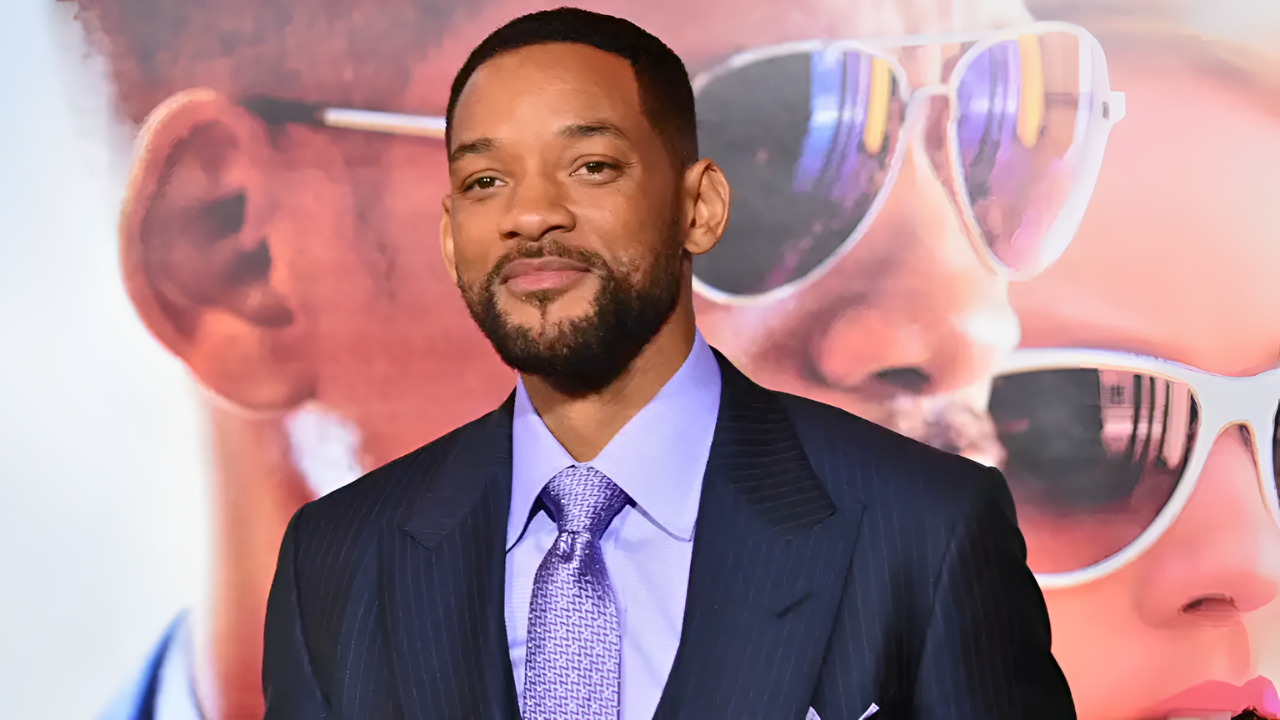
Will Smith is confronting a new legal challenge that reaches into the heart of his recent comeback efforts. A former tour musician, electric violinist Brian King Joseph, has filed a civil lawsuit accusing Smith and his longtime business entity Treyball Studios Management Inc. of harassment, retaliation, and wrongful termination. The case arrives as Smith continues to rebound from the 2022 Oscars incident and the poor commercial performance of his 2025 album “Based on a True Story,” raising broader questions about conduct, safety, and power imbalances on major concert tours.
Tour Opportunity Turned Dispute
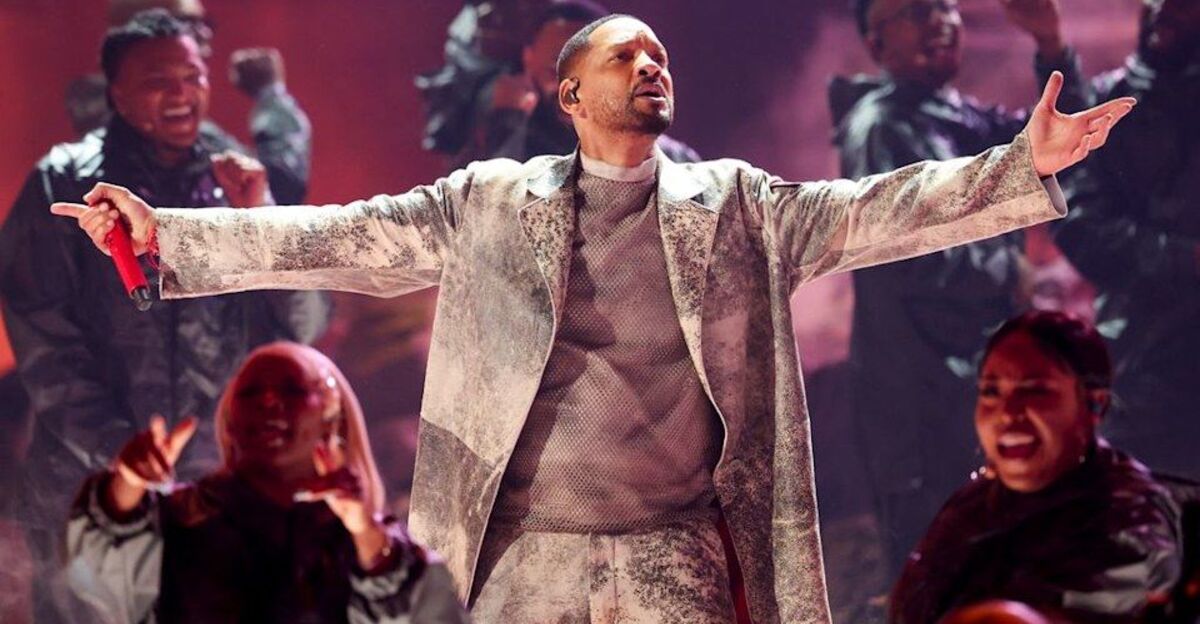
Joseph’s claims are rooted in Smith’s 2025 “Based on a True Story” global tour, which supported Smith’s first full-length album in roughly two decades. The tour included 26 dates across Europe and the U.K., combining headline shows and festival appearances. For Smith, the run was designed as a high-visibility step in rebuilding his public image through music after years centered on film work and controversy.
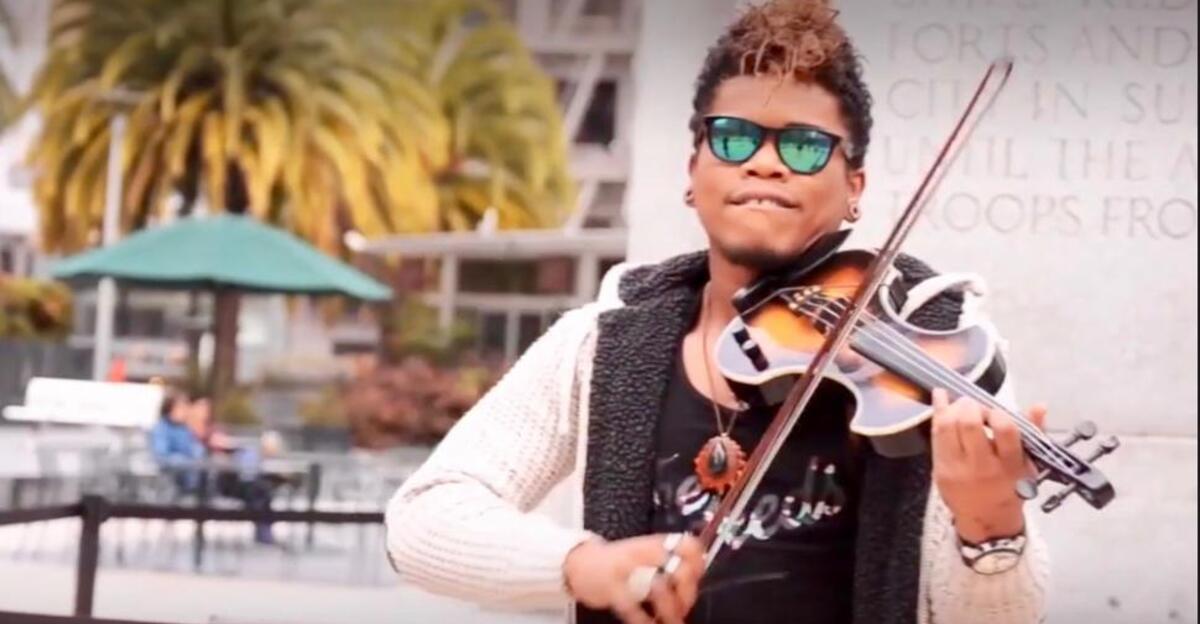
For Joseph, the engagement appeared to be a major career milestone. Known to many viewers as a Season 13 finalist on “America’s Got Talent,” where he finished third, Joseph had already built a national following before joining Smith’s live band. A former Berklee College of Music scholarship recipient and a professional performer since 2012, he has continued his career despite chronic neuropathy, a condition affecting his nerves. By late 2024, he was performing with Smith, and the collaboration positioned him as a rising touring musician on a global stage.
From Studio Collaboration To Legal Filing
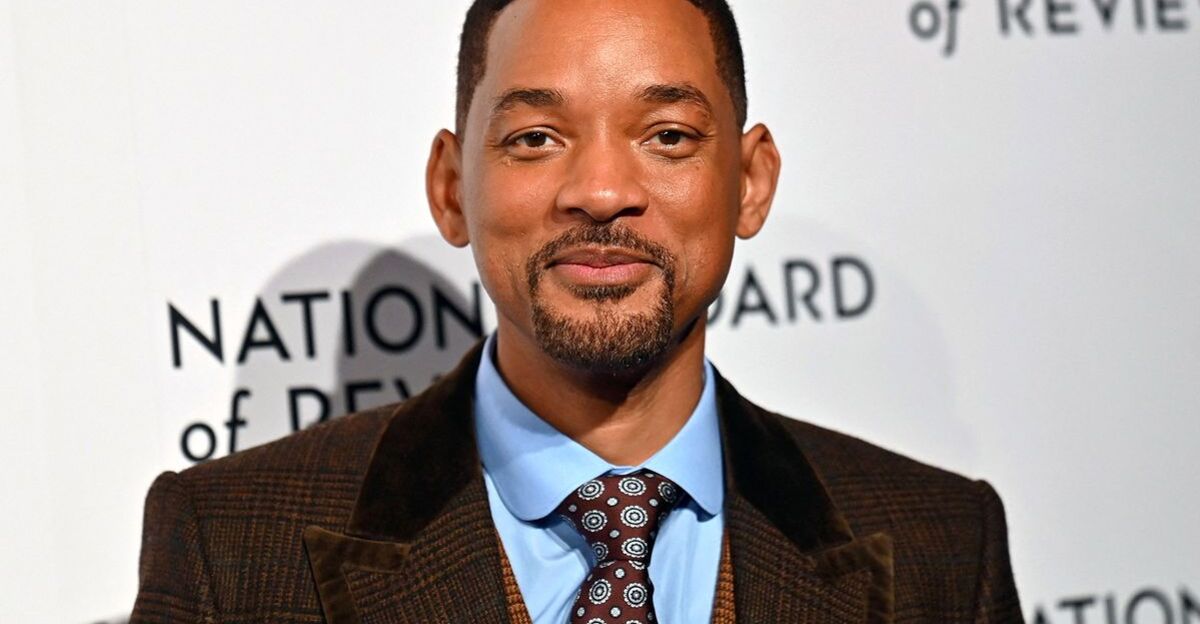
According to the lawsuit, the professional relationship intensified when Joseph was invited to record on multiple tracks for “Based on a True Story,” released on March 28, 2025. In his complaint, Joseph describes Smith spending increasing amounts of time alone with him. The filing quotes Smith as saying, “You and I have such a special connection that I don’t have with anyone else,” presenting this as part of a developing pattern rather than casual praise.
On December 30, 2025, Joseph filed suit in Los Angeles County Superior Court against Willard Carroll Smith II and Treyball Studios Management Inc., represented by attorney Jonathan J. Delshad. The complaint alleges sexual harassment, wrongful termination, retaliation, and violations of several California civil-rights and employment statutes. It is the first publicly reported harassment case to name Smith personally as a defendant, turning what had been an internal tour matter into a public legal confrontation.
The Las Vegas Hotel-Room Incident
The most detailed episode in Joseph’s account centers on March 20, 2025, when Smith’s touring party performed at the House of Blues at Mandalay Bay in Las Vegas. Joseph alleges that his bag, which contained his room key, briefly went missing before being returned. Later that night, he says he returned to his hotel room and found indications that someone had entered without his permission.
In the lawsuit, Joseph states he discovered a handwritten note addressed to him that read, “Brian, I’ll be back no later [sic] 5:30, just us (heart), Stone F.” Nearby, he claims, were disinfecting wipes, a beer bottle, a red backpack, a bottle of HIV medication labeled with another person’s name, an earring, and hospital discharge paperwork for someone he did not know. Joseph took photographs of the items and says he interpreted the scene as a looming sexual threat in his workplace environment.
Concerned about his safety and the safety of others on the tour, Joseph reports that he contacted Mandalay Bay security, a non-emergency police line, and representatives for Smith and Treyball. Hotel security, according to the complaint, found no signs of forced entry. Joseph requested a new room and flew home the following day, March 21, with the understanding that he would return to the tour after raising what he viewed as a serious safety issue.
Firing, Alleged Retaliation, And Legal Claims
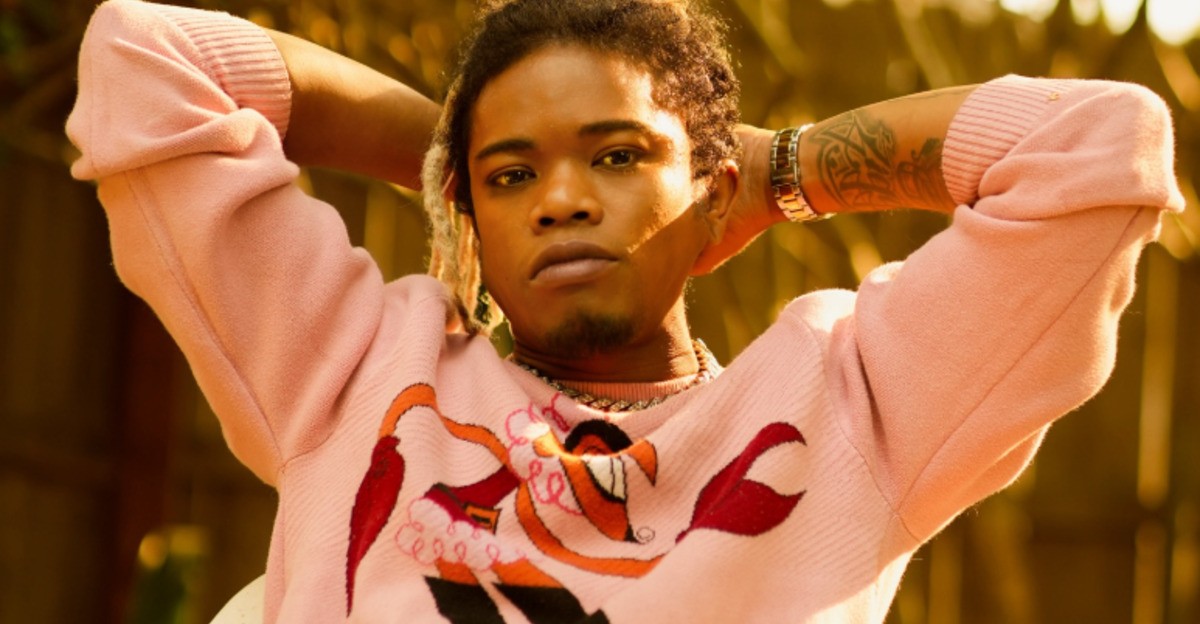
The lawsuit contends that in the days after he reported the incident, Joseph was informed that the tour was “going in a different direction” and that his services were no longer needed. He says another violinist was hired for the 26-date European leg. The complaint describes a conversation with a Treyball representative who allegedly challenged Joseph’s account, telling him that others believed he had fabricated the incident and asking, “Why did you lie and make this up?” Joseph argues that his dismissal amounted to retaliation for reporting a perceived threat.
The filing asserts that “the facts strongly suggest that Defendant Willard Carroll Smith II was deliberately grooming and priming Mr. Joseph for further sexual exploitation,” citing Smith’s earlier comments about a “special connection” and the Las Vegas hotel-room episode as elements of an alleged pattern. On that basis, the suit goes beyond harassment to claim wrongful termination and retaliation under California’s Fair Employment and Housing Act and Labor Code, as well as violations of the Bane and Ralph Acts, which address interference with civil rights and bias-motivated threats or violence. Joseph seeks compensatory and punitive damages, attorney fees, and possible injunctive relief, arguing that speaking up about what he viewed as a sexual threat cost him his job and harmed his mental health, finances, and professional reputation.
Denials, Corporate Exposure, And What Lies Ahead
Smith has strongly rejected the allegations. His attorney, Allen B. Grodsky, has called Joseph’s claims “false, baseless and reckless” and said they are “categorically denied.” Grodsky has indicated that Smith will use “all legal means available” to contest the accusations and “ensure that the truth is brought to light,” signaling a forceful defense in court.
Treyball Studios Management Inc., long tied to Smith’s business operations, is also a named defendant. Joseph characterizes Treyball as his employer on the tour and accuses the company of failing to protect him after he reported the hotel-room situation, then terminating him instead of conducting what he would consider a satisfactory investigation. As a result, the case could examine not only Smith’s individual conduct but also how his corporate apparatus handles safety complaints and internal allegations.
The lawsuit unfolds against a backdrop of ongoing reputational challenges for Smith. “Based on a True Story,” released as a key part of his attempted reset, sold only 268 total copies in its first week in the U.K. and did not appear on the Billboard 200, widely described as the weakest commercial performance of his recording career. Media coverage has suggested that, regardless of its eventual legal outcome, Joseph’s case may extend Smith’s public-relations and legal difficulties for years by intertwining fresh misconduct claims with an already complicated public narrative. The matter remains in its early stages, with no court yet ruling on the veracity of Joseph’s allegations or Smith’s denials. As the case moves through discovery, hearings, and potential testimony, it is likely to probe how jurors interpret power dynamics in celebrity workplaces, what counts as retaliation after safety reports, and how courts evaluate grooming accusations in the modern entertainment industry. Joseph’s attorney, Jonathan J. Delshad, is simultaneously pursuing two separate sexual misconduct cases against Tyler Perry totaling $337 million in claimed damages, underscoring how high-profile figures are increasingly facing legal scrutiny over their behavior behind the scenes of major productions.
Sources
Los Angeles Times, 2 Jan 2026
ABC7 Chicago, 3 Jan 2026
Fox29 Philadelphia, 3 Jan 2026
The Strad, 2 Jan 2026
Berklee College of Music records
America’s Got Talent Season 13 records
Los Angeles County Superior Court filing (Case No. TBD)
Allen B. Grodsky legal statement, Jan 2026
Jonathan J. Delshad legal representation records