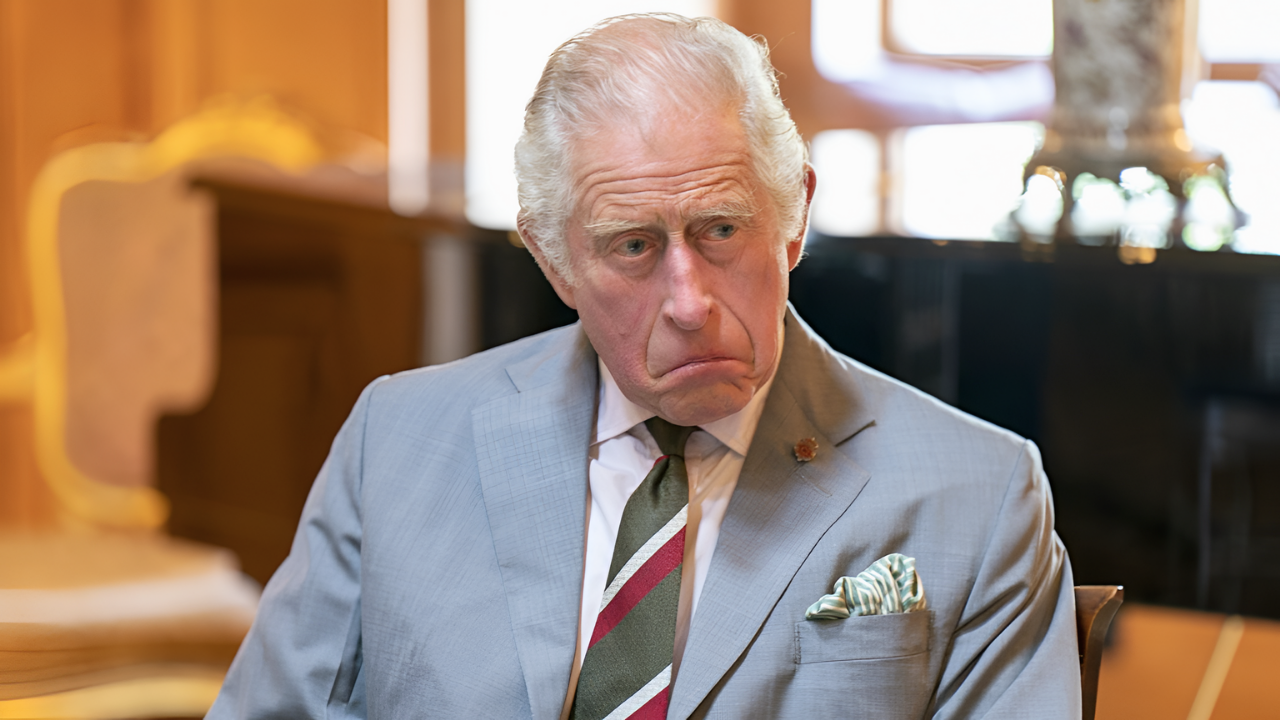
King Charles III enters 2026 balancing a lighter cancer treatment schedule with renewed scrutiny over the monarchy’s leadership. Early diagnosis has allowed the 77-year-old sovereign to maintain state duties and a full calendar of engagements, even while undergoing therapy.
Public attention, however, is increasingly shifting toward Prince William’s expanding role as heir, raising questions about where real authority lies inside Buckingham Palace. Rising speculation about a “shadow king” has transformed a private family adjustment into a widely debated matter of perception, power, and continuity at the top of the royal household.
Here’s what’s happening as the monarchy navigates health challenges, succession, and public perception…
The Long Wait Before the Crown
Charles’s sensitivity to talk of a successor is rooted in his unusually long tenure as heir. Acceding to the throne in September 2022, after Queen Elizabeth II’s 70-year reign, he waited roughly seven decades before becoming king at 73. By contrast, his mother became queen at 25, highlighting the immediate scrutiny Charles faced about the length and focus of his reign.
The spotlight sharpened in February 2024, 17 months into his reign, when the palace disclosed a “form of cancer” following treatment for an enlarged prostate. His public appearances slowed for two months, though essential constitutional work continued. Six weeks later, Princess Kate announced her own cancer diagnosis, intensifying questions about how responsibility might shift to William and whether a gradual transition could blur the king’s authority.
Despite these pressures, Charles resumed public duties in April 2024, visiting cancer centers and recording a Channel 4 video in December 2025, saying early diagnosis allowed him to maintain a “full and active life” during treatment, according to People Magazine.
Palace Pushback Over “Shadow King” Claims
Tension flared in December 2025 when Us Weekly suggested Prince William was effectively “running things from the shadows.” The story sparked palace pushback, with insiders insisting “decision-making remains with the King,” as reported by InStyle and Cosmopolitan. Charles was reportedly “not thrilled” by the claims, with aides noting he had “finally attained the position he has waited for his whole life” only to see attention shift to his heir.
Officials reiterated that under the constitution, Charles retains full authority as head of state. Royal.uk confirms no mechanism exists for power-sharing unless a formal regency is declared, which has not occurred. Any expanded role for William is informal, framed by courtiers as visible support rather than transfer of authority. The palace’s response underscores sensitivity to perception and the importance of reinforcing the king’s control even amid health challenges.
Family Dynamics and Prince Andrew’s Removal
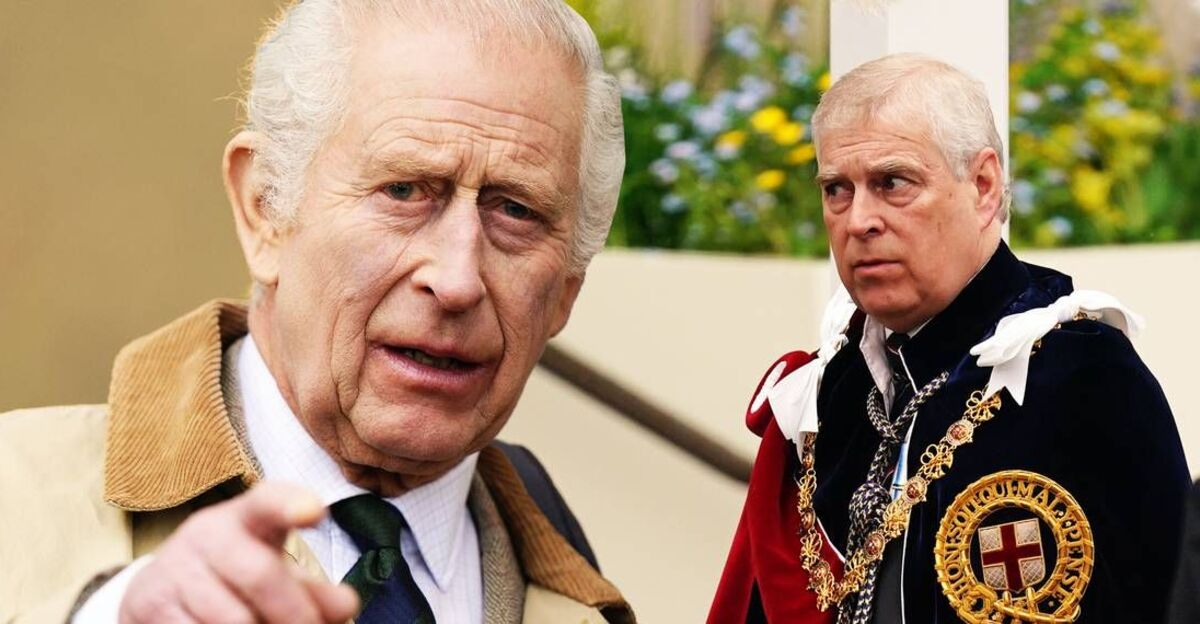
William’s influence has been most visible in family matters, particularly concerning Prince Andrew. Reports indicated William advocated for Andrew’s removal from royal duties after his association with Jeffrey Epstein, prompting Charles to strip Andrew of his remaining titles. On October 30, 2025, Buckingham Palace confirmed Andrew, 65, would be known as Andrew Mountbatten-Windsor and move from Royal Lodge to a smaller Sandringham residence, according to Al Jazeera and CNN.
These decisions signal that protecting the monarchy’s credibility now outweighs personal loyalty, even as Charles retains ultimate authority. Palace observers view the moves as a demonstration of internal discipline, ensuring that challenging family issues are addressed decisively while maintaining public trust in the institution. Such steps highlight the balance between personal relationships and institutional responsibility that defines modern royal leadership.
Sustaining the Monarchy in 2026
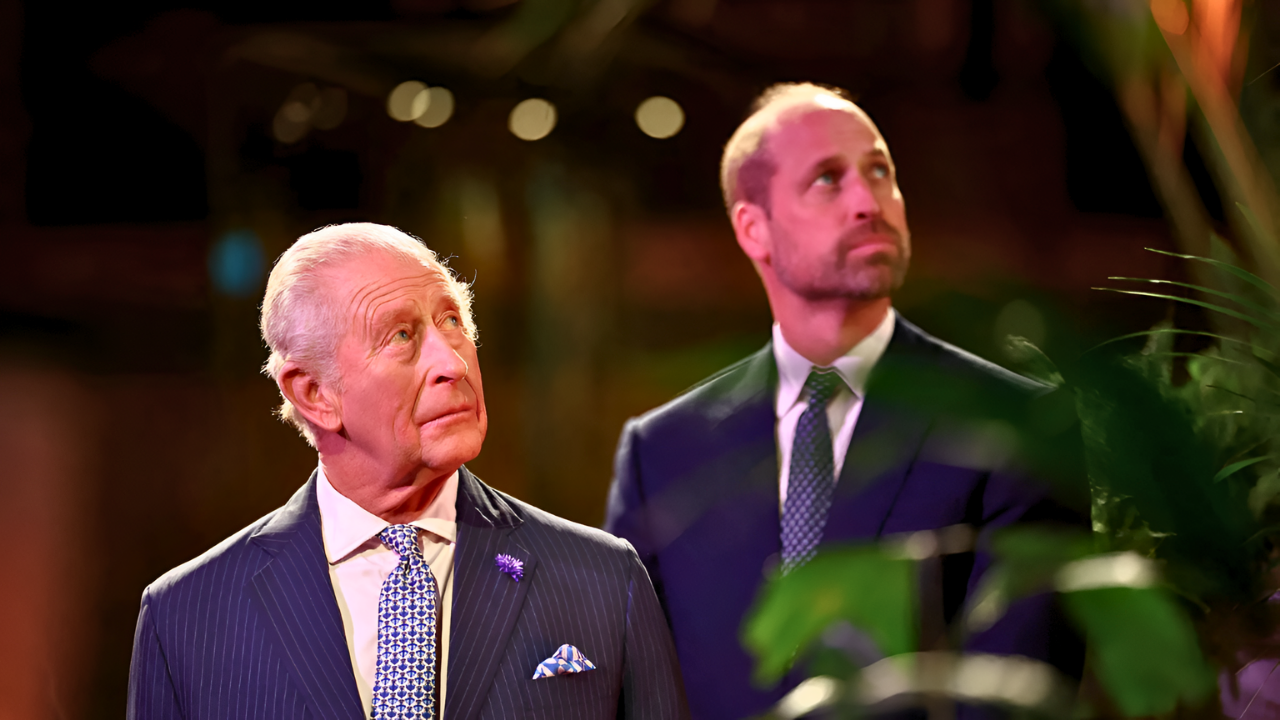
As 2026 begins, the monarchy’s goal is to maintain continuity despite health pressures. Charles completed 532 engagements in 2025, earning recognition as the hardest-working senior royal, according to The Mirror and Hello Magazine. He plans overseas travel for diplomacy and Commonwealth meetings, emphasizing steadiness and avoiding any impression of an informal regency.
William and Catherine have based their family life at Adelaide Cottage near Windsor rather than Buckingham Palace, signaling a shift toward a more modern, family-centered approach. Kate’s completion of chemotherapy in September 2024, confirmed in a video message by The New York Times, shapes expectations for the couple’s growing responsibilities.
While public fascination with a “shadow king” may exaggerate tensions, it reflects real unease about succession and the delicate choreography needed to support the sovereign without undermining authority.
Political and Global Implications
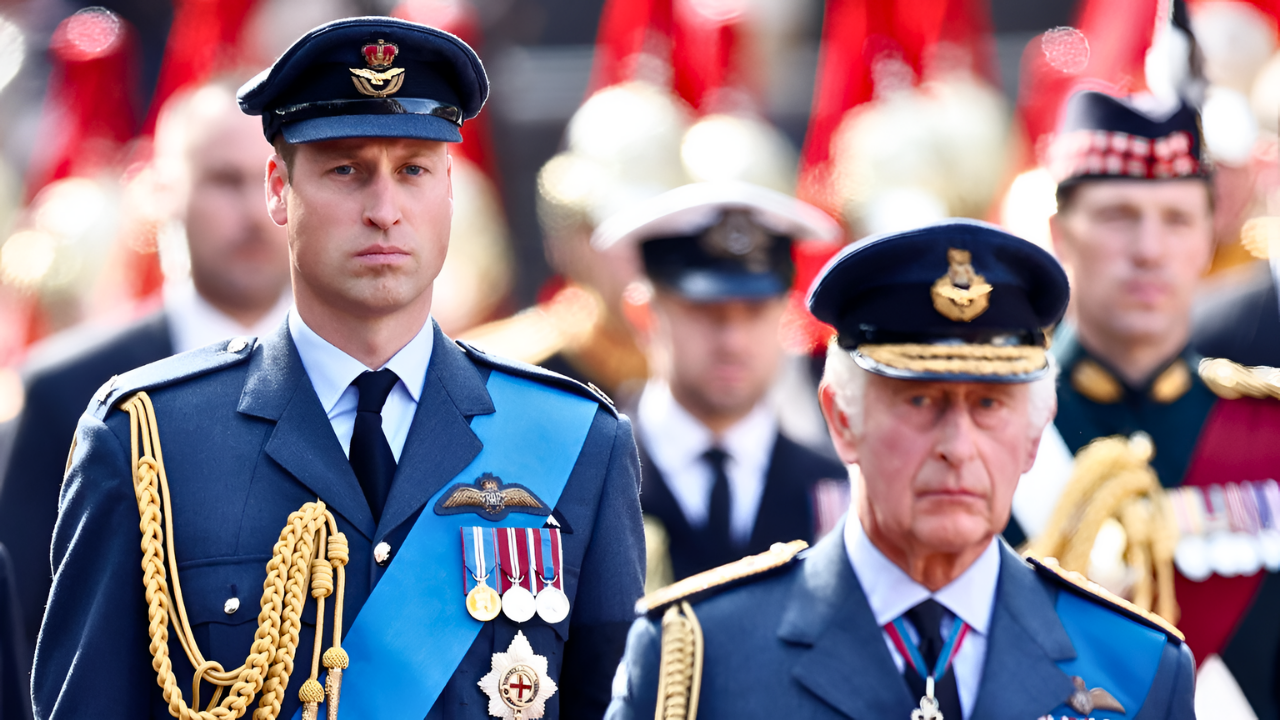
Charles’s active presence while receiving treatment reassures a system dependent on ceremonial stability. Any perception of hidden influence by William could prompt scrutiny in Parliament and among constitutional experts, especially amid domestic and post-Brexit challenges. Internationally, Charles’s 2026 engagements with Commonwealth leaders carry heightened significance amid republican debates in some realms.
Advisers say his approach encourages calm, candid discussions about historical ties and future partnerships. Yet even small hints of divided leadership at home could complicate diplomacy. How Charles, William, and Kate navigate illness, public expectation, and evolving work patterns reflects a broader experiment in balancing workload, succession, and authority—a dynamic that may define the reign as much as any single decision or controversy.
Conclusion: Navigating Health, Succession, and Public Scrutiny
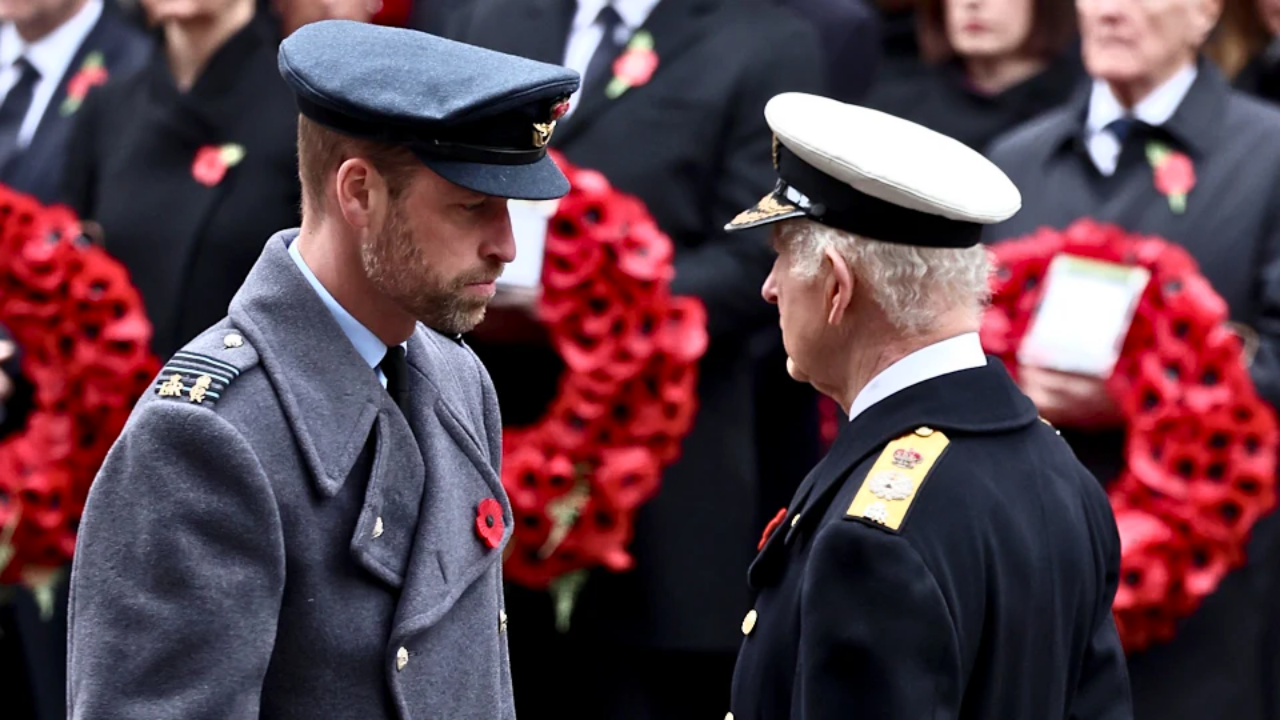
The early months of 2026 place the monarchy under a unique test of endurance, authority, and public perception. Charles continues to demonstrate commitment to duty while managing health, and William’s expanding visibility illustrates how heirs can support the institution without formal power transfer. Decisions such as Andrew’s removal underscore the priority of safeguarding credibility over personal loyalty, shaping both family dynamics and public confidence.
For the monarchy, these events highlight a complex balancing act: maintaining continuity, managing succession, and responding to public scrutiny, all while projecting stability to a global audience. How the royal household navigates these intertwined pressures will influence not only Charles’s legacy but also the expectations and role of future monarchs. The careful orchestration of duties, visibility, and influence may define this reign as much as any landmark decision or rumor.
Sources
Us Weekly via MSN – “King Charles Is Apparently ‘Not Thrilled’ With Reports That Prince William Is Running Things From the Shadows” – Dec 2024
Royal Household (Royal.uk) – “The Role of the Monarchy” – Reference
Royal Household (Royal.uk) – “The King” – Reference
Royal Household (Royal.uk) – “Queen Elizabeth II” – Reference
Royal Household (Royal.uk) – “Succession” – Reference
ABC News – “King Charles III says he is reducing cancer treatment schedule in 2026, stresses importance of early detection” – 6 Dec 2025
CBS News – “King Charles III says he’ll scale back cancer treatment in new year, credits early diagnosis” – 6 Dec 2025