
Former Little Mix singer Jesy Nelson revealed her eight-month-old twin daughters, Ocean Jade and Story Monroe, were diagnosed with type 1 spinal muscular atrophy (SMA), a severe genetic condition.
In an emotional January 2026 Instagram video, Jesy shared that doctors at Great Ormond Street Hospital warned her daughters would “probably never” walk. This heartbreaking announcement has drawn widespread attention to SMA, a rare and life-threatening disease.
A Missed Diagnosis Highlights Systemic Gaps

Jesy’s twins were diagnosed with SMA type 1 after several months of delayed answers. The UK does not include SMA in routine newborn blood spot screening, causing families to only learn of the disease once symptoms appear.
Early detection is crucial for effective treatment, but this gap in the system meant that Jesy’s girls missed the critical window to prevent irreversible damage.
A Shift to Intensive Home Care

After the diagnosis, Jesy was thrust into a new reality, saying she “became like a nurse.” Managing complex home care for her daughters, including breathing machines and specialized procedures, became her daily routine.
For many SMA families, this intensive care starts before their child’s first birthday and transforms their lives, demanding constant attention and reshaping their work and mental health.
Medical Teams Confront Late-Stage Diagnosis

At Great Ormond Street, specialists informed Jesy her daughters would “probably never walk” or regain neck strength due to the irreversible loss of motor neurons caused by SMA.
Doctors emphasized that once severe symptoms appear, it’s too late for prevention, and treatment becomes a race against time to manage the damage, with reduced effectiveness if started late.
The Financial Burden of SMA Treatments

Treatment for SMA type 1 has become available, but it comes at an extraordinarily high cost. Jesy’s daughters were rushed into treatment after their diagnosis, and the family now faces the financial burden of cutting-edge therapies like Zolgensma, a one-time gene therapy that costs over $2 million per dose.
The global debate continues over the accessibility of such expensive treatments for families in need.
A Tale of Two Systems: U.S. vs UK Screening
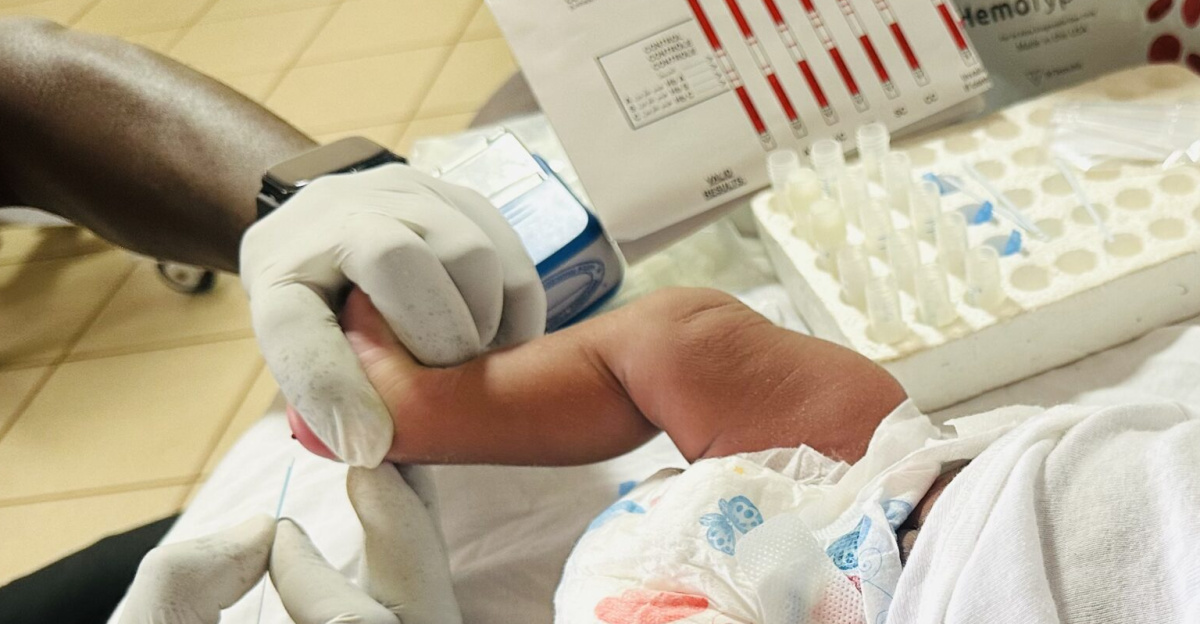
While the U.S. has implemented SMA testing nationwide, the UK has not made it part of the routine newborn screening program. The U.S. currently screens all infants for SMA, while the UK has not introduced such a policy.
Jesy’s case has shone a light on this discrepancy, leaving parents in some countries with limited access to early diagnosis and treatment, despite the availability of life-saving therapies.
The Emotional Toll on Families

Jesy has openly expressed the emotional impact of her daughters’ diagnosis, saying she is “grieving the life I thought I was going to have with my children.” Many parents of babies diagnosed with SMA type 1 share similar feelings of loss.
The trauma of facing a potentially shortened life expectancy and constant medical needs weighs heavily on parents, creating mental health challenges alongside the physical demands.
Public Outcry Fuels Debate Over Screening Policies

Jesy’s announcement has sparked public debate about the UK’s screening policies. While the UK National Screening Committee has yet to recommend SMA testing for all newborns, Jesy’s case and others like it are pushing for reconsideration.
The call for universal screening is louder than ever, as families struggle with delayed diagnoses and the limited treatment options available in the UK.
The Economic Costs of Not Screening

The treatment and care of SMA patients can cost millions over a lifetime, with ongoing medical needs such as respiratory support and physical therapy. In contrast, U.S. studies show that early treatment, enabled by newborn screening, reduces long-term costs by preventing hospitalizations and complications.
Economists are now evaluating the financial impact of SMA screening in the UK, where the NHS could save on long-term care costs by catching the disease earlier.
The Reality of Home-Based SMA Care
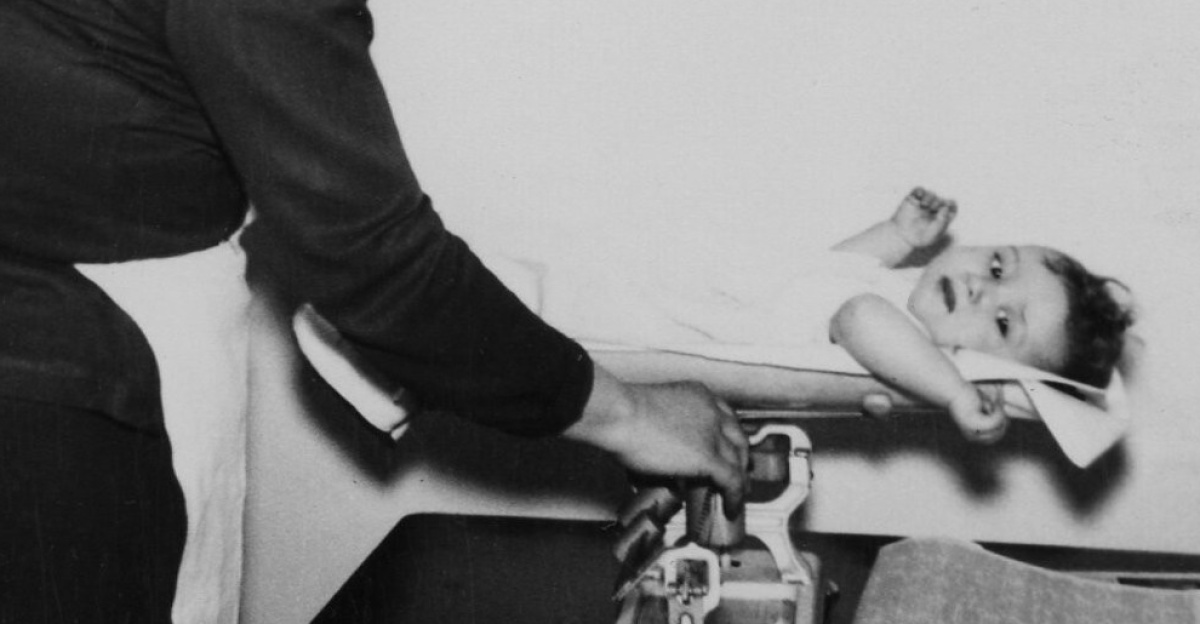
As SMA care shifts from hospital to home, families face significant challenges managing complex medical needs. Jesy’s experience with home-based medical care, including breathing machines and feeding tubes, reflects the intensive daily care requirements many SMA families navigate.
Parents must quickly learn to operate specialized equipment and perform medical procedures typically handled by healthcare professionals.
Specialized Pediatric Care for SMA Patients

Great Ormond Street Hospital and other leading pediatric centers provide specialized care for SMA patients through their neuromuscular departments.
Multidisciplinary teams including doctors, nurses, and therapists work together to offer comprehensive care to SMA patients, with specialists like Professor Francesco Muntoni leading research and treatment initiatives. Early diagnosis and rapid treatment initiation remain critical priorities.
The Growing Need for Specialized Medical Equipment

As SMA type 1 progresses, it often leads to severe muscle weakness, creating potential future needs for specialized equipment. Families may eventually require powered wheelchairs, adaptive seating, and home modifications as children grow.
The availability and accessibility of assistive devices varies by healthcare system and insurance coverage, presenting additional challenges for families managing long-term care.
Families Worldwide Draw Comparisons

As Jesy’s story spreads across the globe, parents are comparing their healthcare systems and the availability of SMA screening, treatments, and insurance coverage.
Families in countries without routine screening, such as the UK, are now questioning why their babies may be diagnosed too late for effective treatment, while U.S. infants benefit from early intervention.
Raising Awareness for Early Symptom Recognition

Jesy has become an advocate for early symptom recognition. She urges parents to watch for signs of SMA, such as weak leg movement, poor head control, and difficulty feeding.
Early identification of symptoms can lead to earlier diagnoses and better treatment outcomes. This campaign is helping parents globally better understand the subtle signs of SMA.
Genetic Testing and Equity: The SMA Debate

The SMA screening debate extends beyond medical logistics to ethical questions about genetic testing and equity. While early intervention offers significant benefits, the costs associated with genetic screening and treatment raise concerns about accessibility and fairness.
Jesy’s public story adds to this debate, bringing a rare disease into the spotlight and questioning whether all babies deserve equal access to life-saving treatments.
Families Confronting High-Stakes Decisions

For families affected by SMA, every decision becomes a high-stakes matter. The choice of treatment, including expensive gene therapy, requires careful consideration of both the medical and financial implications.
Jesy’s experience highlights the difficult choices parents face as they balance their hopes for their children’s futures with the reality of their financial limitations.
The High-Cost Gene Therapy Landscape

SMA has gained global attention following the development of gene therapies and treatments. Pharmaceutical companies like Novartis, which developed Zolgensma, face ongoing scrutiny over the accessibility and pricing of treatments costing over $2 million per dose.
The tension between innovation, profit, and patient access continues to shape discussions about rare disease treatments.
What Parents Can Do Now

Parents of infants showing symptoms of SMA should seek urgent medical advice. Early testing, even without routine screening, can help prevent irreversible damage.
Charities such as SMA UK provide valuable resources, including symptom checklists and advice on navigating treatment pathways, offering guidance for families who may be unaware of the condition.
Could Jesy’s Story Change Health Policy?

Jesy Nelson’s powerful Instagram video could lead to a shift in the UK’s health policies. By sharing her story with millions of followers, Jesy has humanized the SMA debate, urging policymakers to reconsider the lack of newborn screening.
Public pressure, bolstered by international evidence of the benefits of early treatment, may soon prompt a policy shift in the UK.
A Global Reckoning on Rare Diseases

Jesy’s story has sparked a global conversation about how society treats rare diseases and the importance of early diagnosis.
As the world watches, Jesy’s daughters represent the potential for progress in the treatment of SMA, but also highlight the challenges of ensuring that every child, regardless of where they are born, receives the best chance at life.
Sources:
“Jesy Nelson will ‘shout to the rooftops’ about baby muscle condition diagnosis.” BBC News, 7 Jan 2026.
“Spinal muscular atrophy – UK National Screening Committee recommendation.” UK National Screening Committee, 6 Aug 2025.
“Newborn Screening for SMA.” Cure SMA, 2024.
“Zolgensma Creation Story Reveals Truths About Drug Pricing.” ProPublica, 15 Jun 2025.