
A former NBA point guard who once earned millions in salary and endorsements now finds himself living in the same public housing complex where his journey began. Sebastian Telfair, who dominated high school basketball as the #1-ranked player in New York City history, has become a cautionary tale about how even substantial professional success can unravel under the weight of legal trouble and personal crisis.
His story raises urgent questions about financial literacy among young athletes and the fragility of wealth built solely on athletic performance.
A Decade of NBA Glory On Paper

Telfair’s 10-season NBA career (2004–2014) generated approximately $19 million in total salary across eight different teams, from the Portland Trail Blazers to the Oklahoma City Thunder. Beyond his NBA contracts, he secured a six-year, $15 million endorsement deal with Adidas in 2004, positioning him as one of the most promising young talents in basketball.
At his peak earning potential, Telfair appeared to have secured financial stability for the rest of his life. Yet within two decades, nearly every dollar of that wealth had evaporated.
The Hype Machine and High Expectations

Telfair skipped college entirely, declaring for the 2004 NBA Draft straight out of high school at Abraham Lincoln High School in Brooklyn. As a 19-year-old, he was heralded as a generational point guard talent, drafted 13th overall by the Portland Trail Blazers.
The NBA had just witnessed LeBron James’s immediate impact as a high school prospect, amplifying expectations for other young players entering the league. Telfair’s journey from the Coney Island projects to NBA stardom validated the dreams of every young athlete in Brooklyn.
The Warning Signs Ignored

Despite earning over $1.5 million per year during peak seasons (2007–2010), Telfair never built the financial infrastructure necessary for retirement. His Adidas deal was canceled around 2006–2007, eliminating a significant secondary income stream.
By his early 30s, playing time diminished as injury and age slowed his production. Without strong financial planning or diversified income sources, Telfair remained dependent on active NBA earnings, a precarious position for any player nearing the end of their career.
The Unraveling Begins: 2017 Gun Arrest

In June 2017, police stopped Sebastian Telfair’s vehicle in Brooklyn and discovered three loaded firearms, ammunition, marijuana, and a ballistic vest inside. He was arrested and subsequently convicted of second-degree criminal possession of a weapon.
In April 2019, a Brooklyn court sentenced him to 3.5 years in federal prison, a turning point that triggered a cascade of legal and financial catastrophe. The conviction drained his remaining liquid assets through legal defense costs and signaled the beginning of his public descent from former NBA star to incarcerated felon.
The Legal Drain Accelerates

Telfair’s legal battle consumed hundreds of thousands of dollars. Between the 2017 gun case defense, appeals, and subsequent federal investigations, he incurred substantial expenses on attorney fees and court costs.
These weren’t minor legal expenses; defending a felony weapons conviction in federal court typically costs between $250,000 and over $1 million, depending on the complexity and duration. For Telfair, with no current NBA salary after retirement, each lawyer’s retainer ate further into whatever savings remained from his playing days.
“Battling the Feds and My Divorce”

In his 2024 documentary Sebastian Telfair: Final Days of Freedom, the now-40-year-old player sat on camera and bluntly summarized his collapse: “Battling the Feds and my divorce affected my finances. I’m right back to where it all began back in Coney Island, back in the projects, back in the fire.” His wife, Samantha, filed for divorce in 2019 during his first prison sentence, and court documents allege she claimed he drained hundreds of thousands from joint accounts.
The combination of criminal defense costs and divorce settlements obliterated what remained of his $19 million career earnings.
The Wider NBA Fraud Epidemic

Telfair wasn’t alone in his financial and legal troubles. In October 2021, federal prosecutors charged 18 former NBA players with participating in a $4 million healthcare fraud scheme that involved submitting fraudulent reimbursement claims to the NBA Players’ Health and Welfare Benefit Plan.
Telfair pleaded guilty in March 2023 to conspiracy to commit healthcare fraud and wire fraud. This case exposed a systemic vulnerability in how retired players managed or mismanaged their post-career finances and engaged in federal crimes of desperation.
The Macro Tragedy: 60% of NBA Players Go Broke
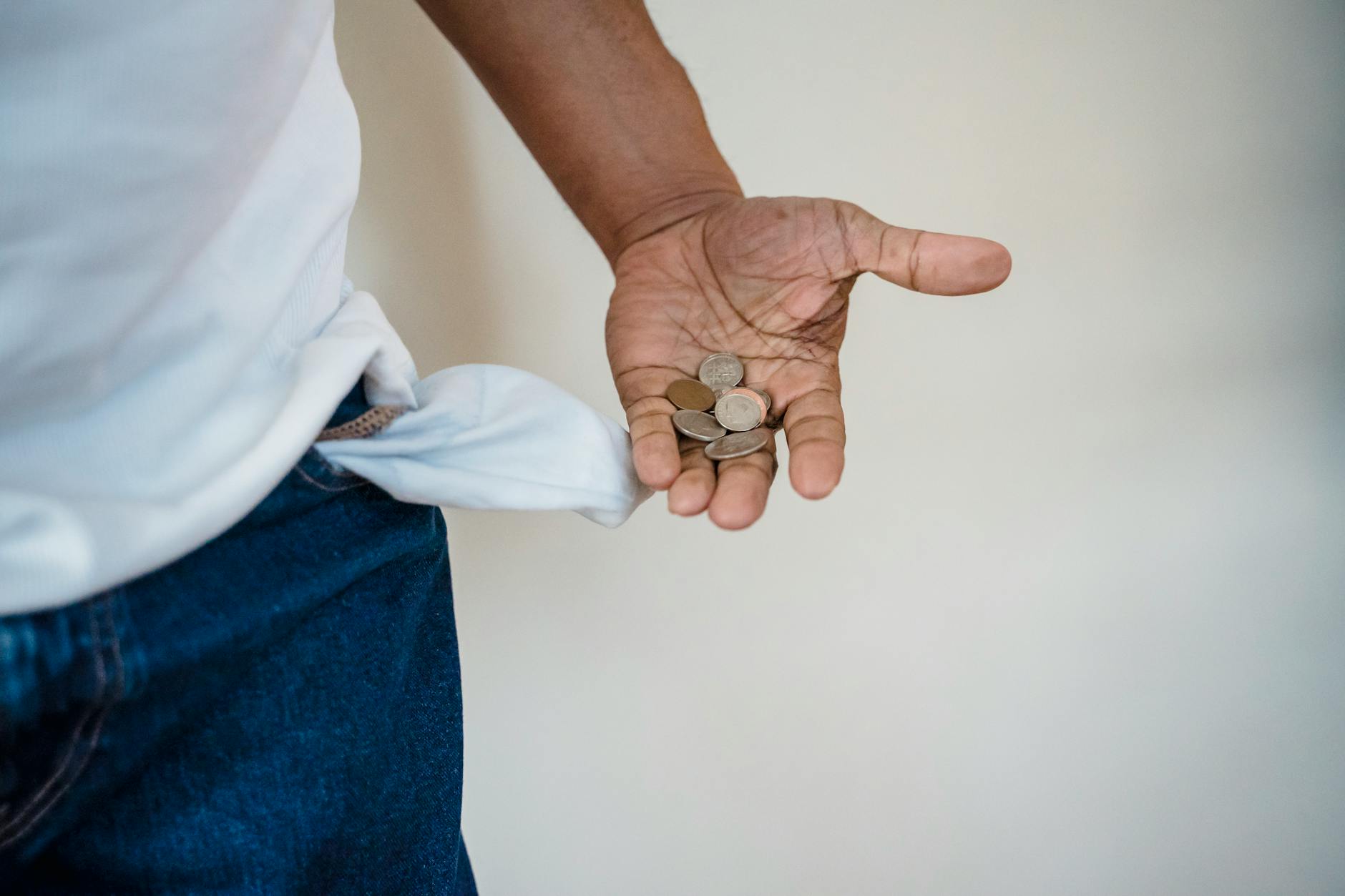
Sports Illustrated reported that approximately 60 percent of NBA players are financially broke within five years of retirement. Telfair’s case exemplifies this epidemic, although his timeline extended over 15 years post-retirement.
The underlying causes, such as lack of financial education, lavish spending, predatory financial advisors, divorce, and unforeseen legal troubles, create a perfect storm for even well-paid athletes. Telfair earned $19 million; the league average salary has risen to $10.9 million. If superstars struggle, most players have virtually no safety net.
Prison at Fort Dix And a Diddy Connection

After initially receiving “time served” for the healthcare fraud plea in early 2024, Telfair was re-sentenced to six months in federal prison in June 2024 for violating the terms of his supervised release. He reported to FCI Fort Dix in New Jersey on August 12, 2024, and was housed in the same facility that temporarily held music executive Sean “Diddy” Combs.
The Diddy connection to two fallen celebrities imprisoned in the same federal facility became a viral talking point and a symbol of how far wealth and fame can collapse.
The Shock of Return Back in Surfside Gardens

By late 2024, before completing his six-month sentence, Telfair faced the psychological reality of having nowhere else to go. His childhood home, the Surfside Gardens (also known as Mermaid Houses) public housing project in Coney Island, Brooklyn, remained available.
The project where he grew up, the place he’d escaped as an NBA talent, had become his only sanctuary. The irony was devastating: a man who had lived in luxury apartments across multiple NBA cities was now prepared to return to subsidized housing in Brooklyn.
The Documentary Release and Public Confession

Antoinette Media released Sebastian Telfair: Final Days of Freedom in November 2024, just as Telfair was serving his federal sentence. The documentary captured raw, on-camera footage of him walking through the Surfside Gardens complex, pointing to the same building where he grew up.
He openly admitted to being “essentially broke” and to having “run around broke” for years. The film became a viral sensation, generating over 1 million views across YouTube and Instagram within weeks, sparking a national conversation about the financial ruin of athletes.
The Divorce Settlement Devastation

Court filings from Telfair’s 2019 divorce reveal that his estranged wife, Samantha, alleged he drained “$197,000 out of another account” during the proceedings and that “accounts were being drained” without her consent. Even if Telfair contests the characterization of the allegations, the divorce depleted additional resources already strained by legal defense.
Divorce settlements for high-earning athletes typically cost 30–50 percent of their net worth, and in contested cases with allegations of fraud or hidden assets, legal fees can increase by as much as three times.
Expert Skepticism and Slim Recovery Prospects
Financial advisors and sports economists remain pessimistic about Telfair’s recovery prospects. At the age of 40, with a federal felony conviction, limited earning potential, and no sustainable income source, rebuilding wealth is exceptionally challenging.
Some analysts suggest he may pursue social media content creation, speaking engagements, or coaching clinics at youth basketball camps. However, these opportunities are limited by his criminal record and damaged public brand. Unlike younger athletes with decades to recover, Telfair’s window for financial rehabilitation is rapidly closing.
What Happens When He Walks Free?
Telfair was released from FCI Fort Dix on December 22, 2024, just days before Christmas, after serving only part of his six-month sentence, likely due to good behavior or overcrowding. Upon release, he had no home of his own, no active employment contract, no endorsement deals, and a criminal record that limited his employment options.
The pressing question: Will he remain in the Surfside Gardens project indefinitely? Will he attempt to rebuild through social media or sports media? Or will his story fade into obscurity, one more cautionary tale among thousands of fallen athletes?
The Political Angle: Pardon Pleas and Trump
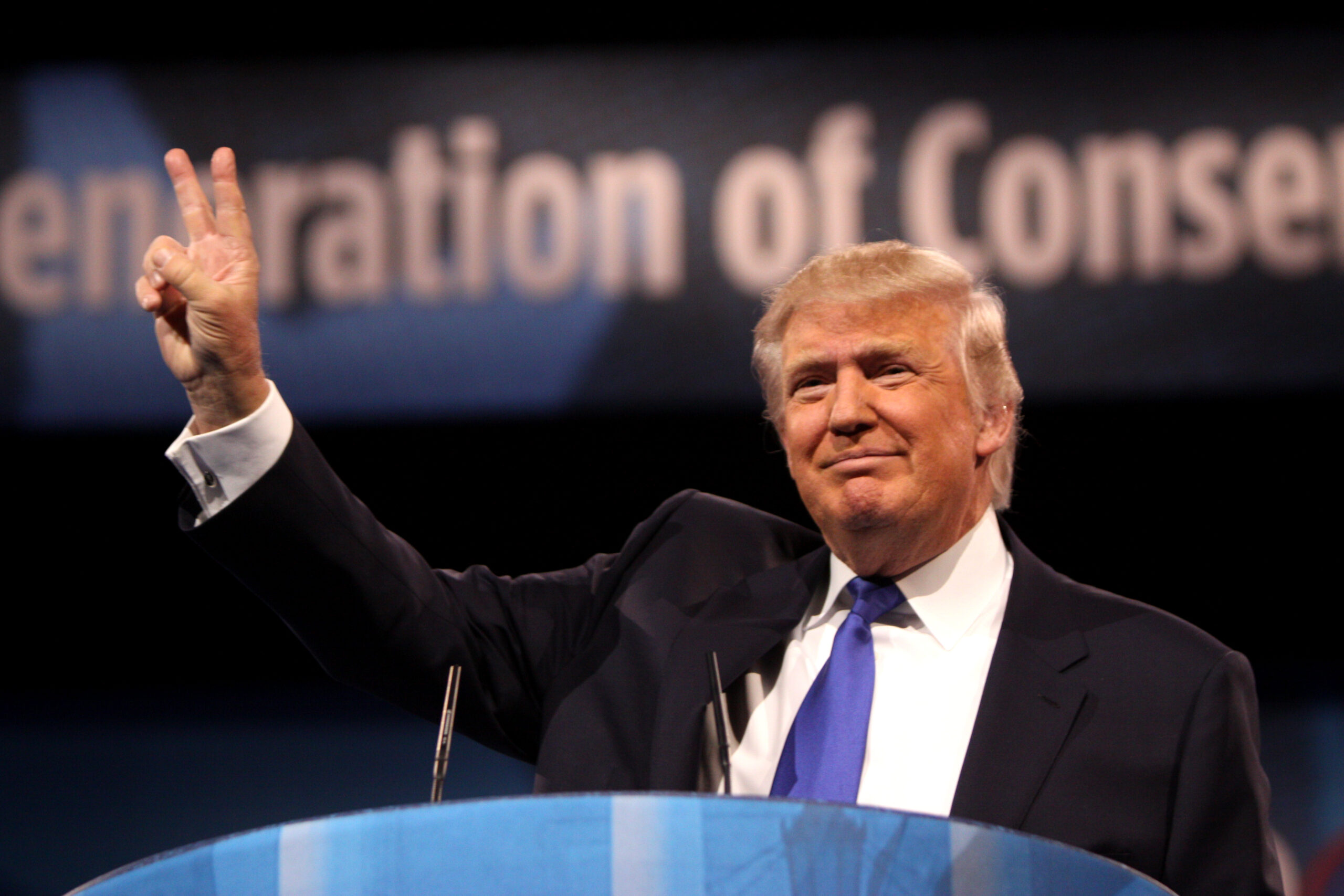
In August 2024, before reporting to Fort Dix, Telfair publicly pleaded with then-President Donald Trump for a pardon, citing his basketball career and community roots. His plea echoed other high-profile incarcerated celebrities seeking executive clemency.
While Trump issued several controversial pardons before leaving office in January 2021 and again in 2025, Telfair did not receive one. The episode highlighted how celebrity status can blur criminal accountability and how desperation drives even unlikely political gestures from the accused.
International Basketball’s Silent Witness

Notably, Telfair’s international basketball ventures (he played in China’s CBA for teams including Tianjin and Xinjiang) never generated significant additional wealth. While some NBA players successfully extend careers in Europe or Asia, Telfair’s Chinese stints (2013–2017) coincided with his legal troubles and produced limited earnings that couldn’t offset his ballooning legal costs.
His inability to sustain a profitable post-NBA career internationally contrasts sharply with that of other American players, who leveraged overseas opportunities for financial stability.
The Legal Precedent Healthcare Fraud Conviction Trend

Telfair’s healthcare fraud guilty plea joined 17 other former NBA players in a coordinated federal prosecution that exposed systemic exploitation of the NBA’s health insurance system. The scheme involved filing false claims for medical services never rendered.
Federal prosecutors have successfully secured guilty pleas from multiple defendants, signaling an increasing enforcement effort against white-collar crimes committed by professional athletes. This legal precedent may deter similar schemes, but it also highlights the vulnerability of retired players when facing declining incomes and unscrupulous advisors.
Cultural Reckoning: The Generational Divide
Telfair’s trajectory illuminates generational differences in athlete wealth management. Older retired NBA players (1980s–1990s) often invested in real estate or business ventures that appreciated over decades. Younger players (born in the 2000s and later), influenced by hip-hop culture and social media flexing, prioritized conspicuous consumption and lifestyle expenses.

Telfair, a product of the early 2000s athlete generation, lacked the institutional financial planning resources available to today’s NBA draft classes, which receive mandatory financial literacy seminars and fiduciary advisor oversight.
The Broader Question: What This Really Says

Sebastian Telfair’s story encapsulates a larger societal failure: America’s inadequate preparation of young athletes for life after their athletic careers. He was talented enough to earn $19 million, but no system protected him from legal exploitation, predatory advisors, or his own inexperience. The NBA has since implemented mandatory financial literacy programs and retirement planning resources, but they came too late for Telfair.
His descent from millionaire to public housing resident serves as a stark reminder that talent and earnings alone don’t guarantee financial security; instead, preparation, wise counsel, and institutional support are essential. As more young athletes face similar pressures, Telfair’s documentary may finally prompt bigger systemic change.
Sources
Sportrac NBA Career Earnings Database and Salary Records
Brooklyn District Attorney Office Official Press Release, August 12, 2019
Antoinette Media Documentary: Sebastian Telfair: Final Days of Freedom, November 2024
ESPN NBA Draft Records and Criminal Records Database
Sports Illustrated Financial Bankruptcy Report on NBA Player Retirements
U.S. Department of Justice Press Release on NBA Healthcare Fraud Investigation