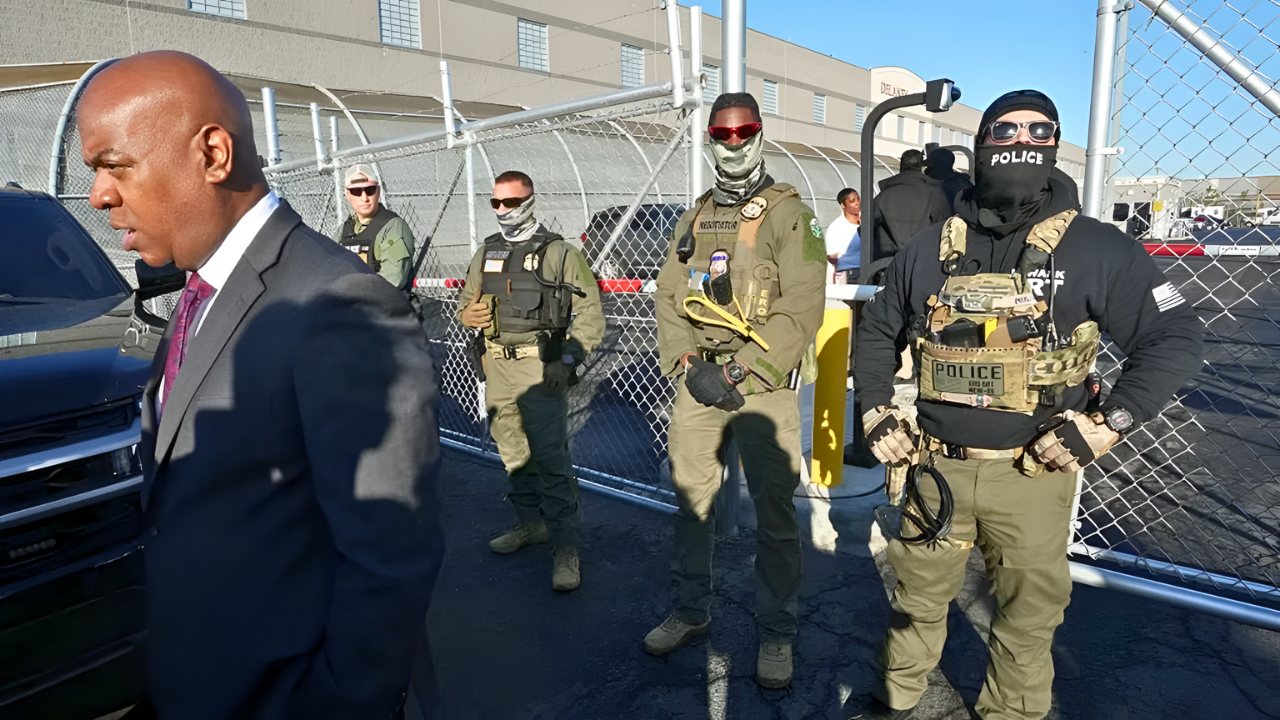
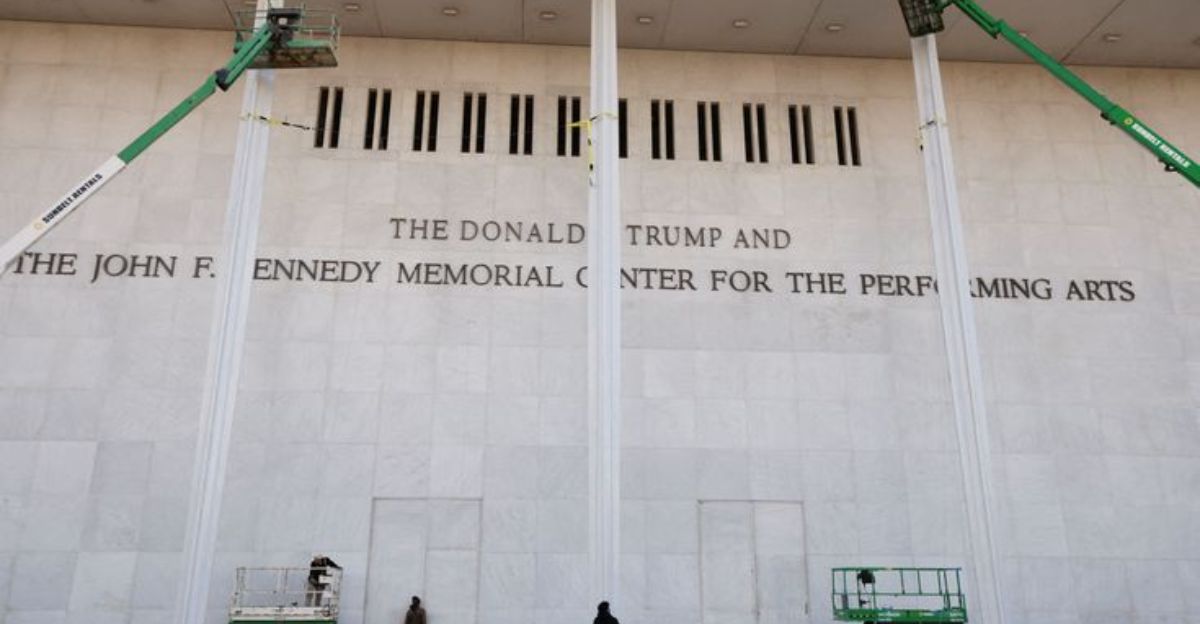
The Kennedy Center, America’s most prestigious performing arts venue, became the Trump-Kennedy Center this month after a Trump-appointed board voted to rename the 54-year-old institution in honor of President John F. Kennedy.
Democratic Rep. Joyce Beatty, an ex officio board member, was muted during the meeting and couldn’t voice her opposition. Signage changed within hours. The decision shattered decades of bipartisan stewardship, sparking an immediate backlash. Artists began canceling their performances.
Kristy Lee Says No on January 14
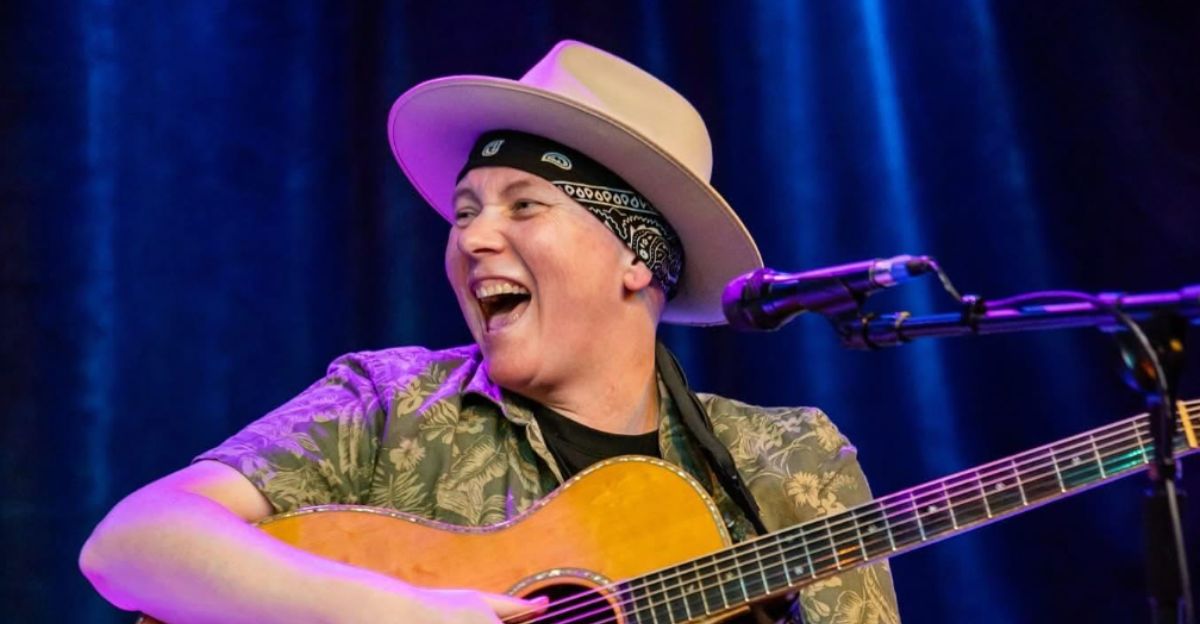
Alabama folk singer Kristy Lee canceled her scheduled January 14 performance at the renamed center, writing on Instagram: “I don’t have much power, and I don’t run with the big dogs who do.” Lee explained that when “American history starts getting treated like something you can ban, erase, rename, or rebrand for somebody else’s ego,” she couldn’t “stand on that stage and sleep right at night.”
Instead, she offered fans a free virtual performance from home, choosing conscience over the paycheck.
The Cookers Abandon New Year’s Eve
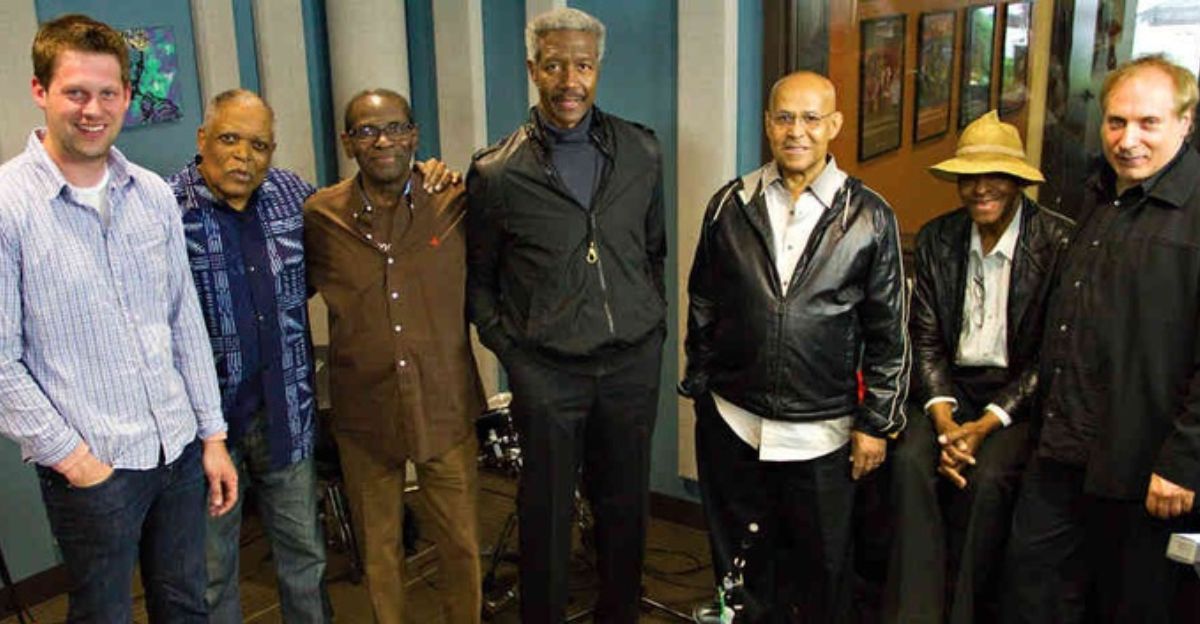
The Cookers, a seasoned six-piece jazz ensemble, canceled two New Year’s Eve performances scheduled for the Kennedy Center. The group invoked jazz’s roots in freedom and struggle, writing on their website that jazz “was born from struggle and from a relentless insistence on freedom: freedom of thought, of expression, and of the full human voice.”
Their sudden withdrawal came after the name change appeared on the center’s website and building signage within 24 hours.
Doug Varone’s April Reckoning
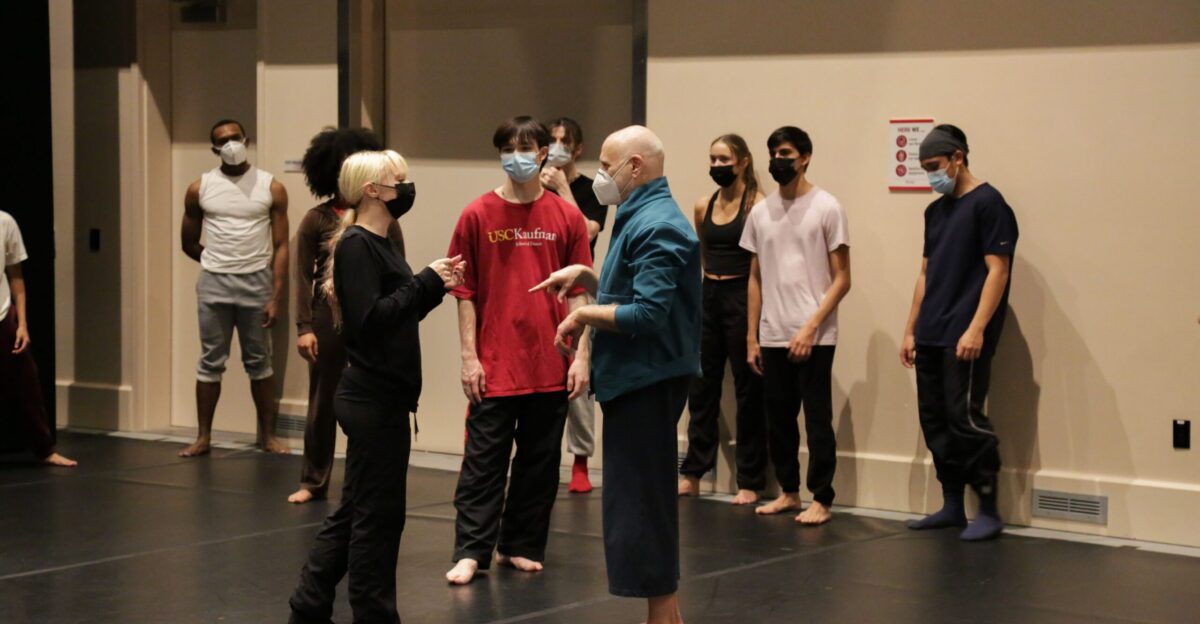
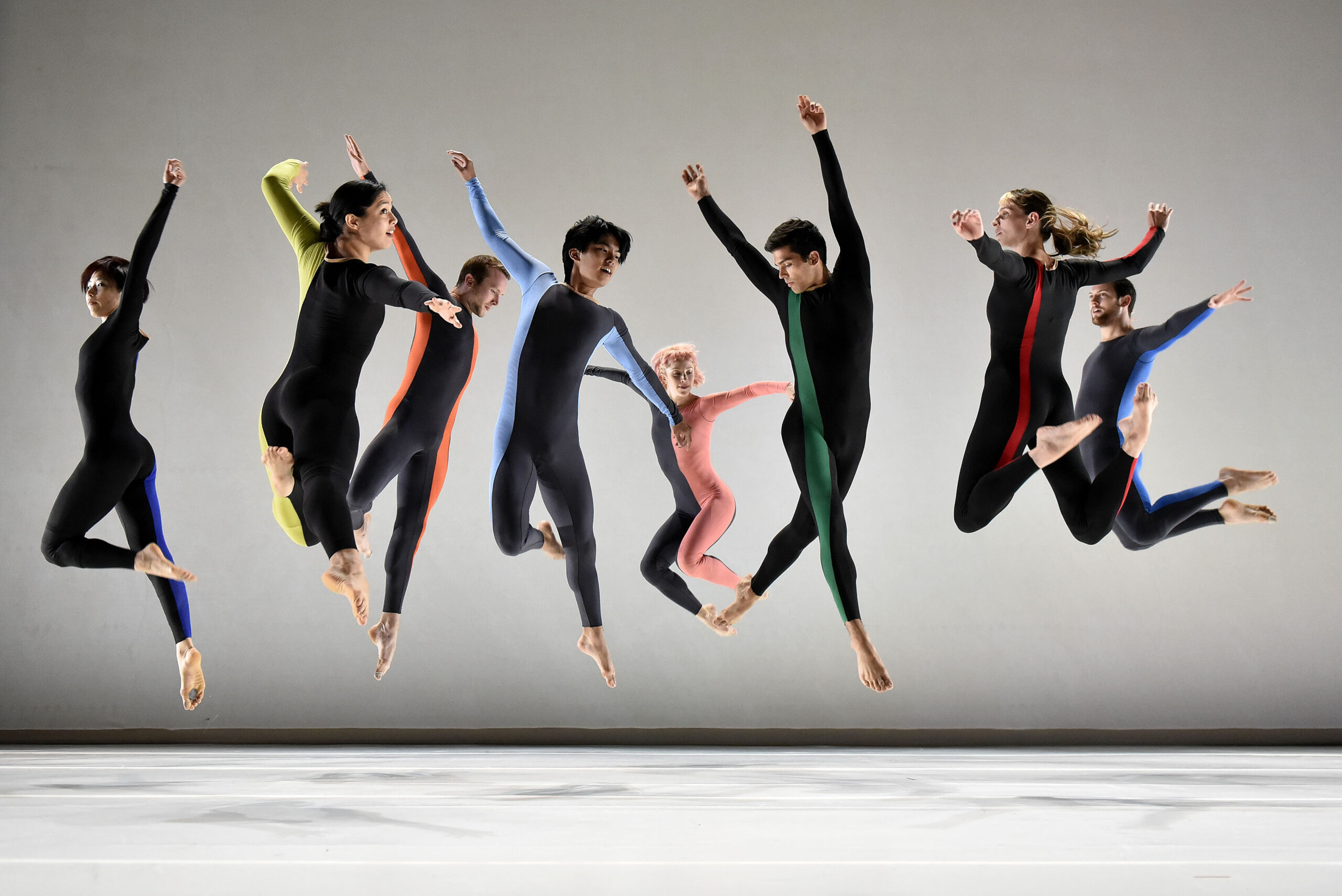
Choreographer Doug Varone and his New York-based dance company canceled two April performances meant to celebrate their 40th anniversary. The decision forced Varone to forfeit approximately $40,000—equivalent to three weeks of wages for his dancers.
He told The New York Times the choice was “financially devastating but morally uplifting,” reflecting the weight of sacrificing stable income for principle during economically precarious times for performing artists nationwide.
The $40K Price Tag of Conscience
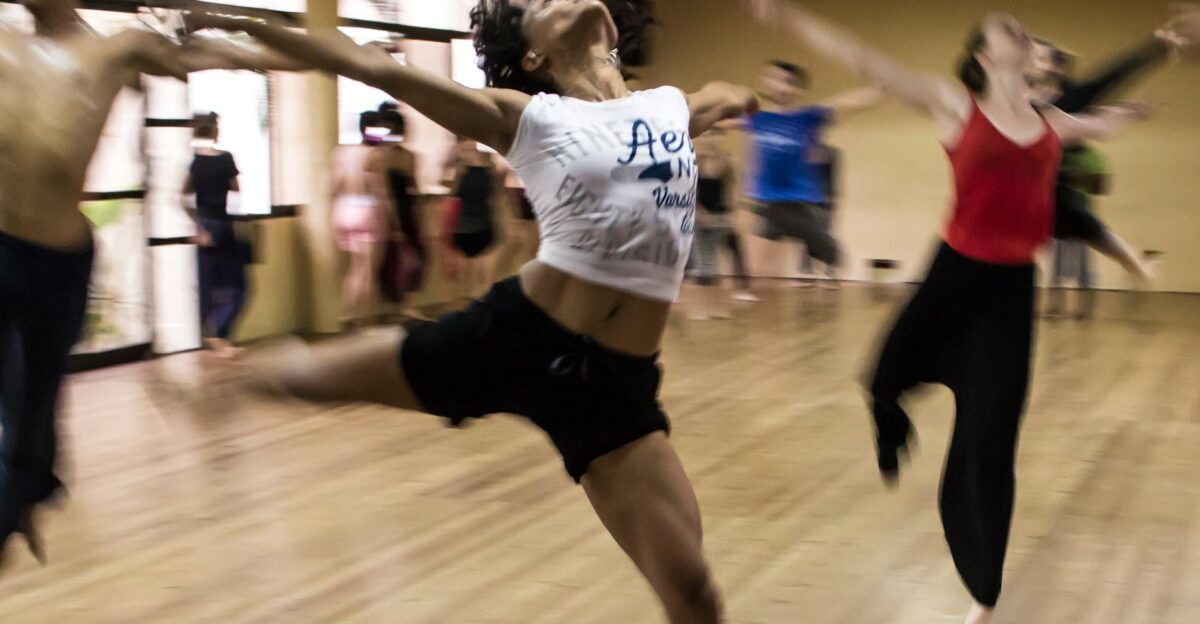
Doug Varone described the financial reality to PBS NewsHour: “I may need to let them go in April unless we can secure some financial support to cover that,” he said.
It’s a grim calculus—artistic integrity weighed against unemployment benefits. His dancers, he noted, unanimously backed the decision, understanding the stakes of remaining silent.
More Than Money at Stake
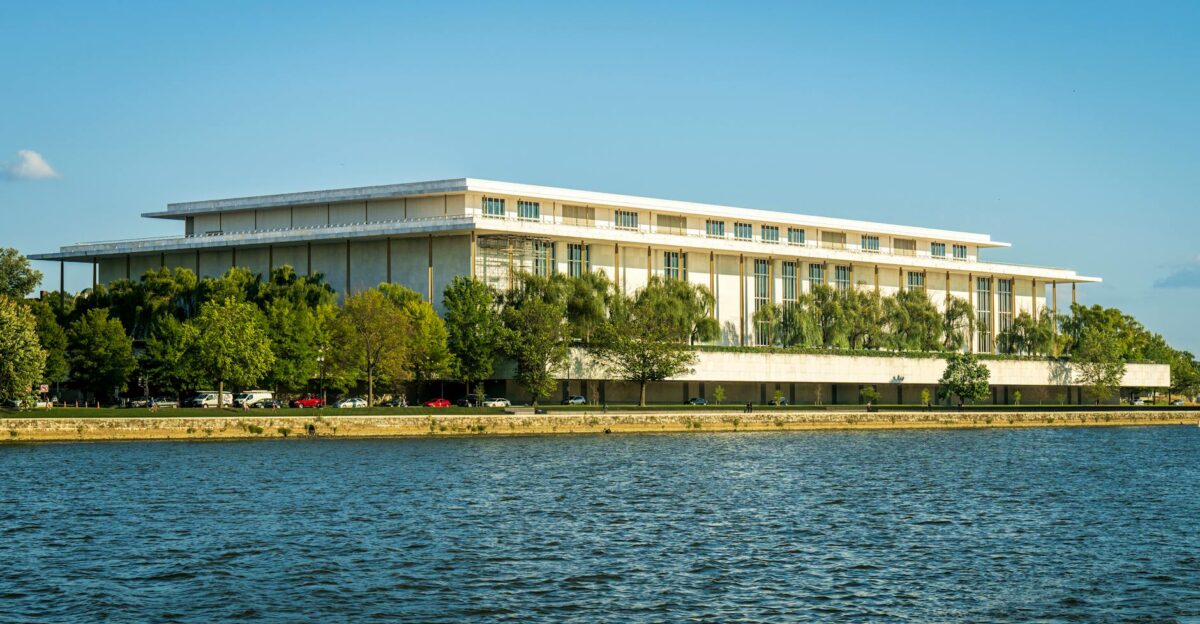
The broader financial implications extend beyond individual cancellations. Kennedy Center officials have reported declining ticket sales following the announcement of the rebranding. The Kennedy Center Honors broadcast viewership dropped sharply.
If the boycott spreads—and early momentum suggests it will—the institution faces potential revenue loss across hundreds of annual performances, threatening an organization that typically generates over $100 million in annual ticket sales.
Institution’s Founding Mission Erased
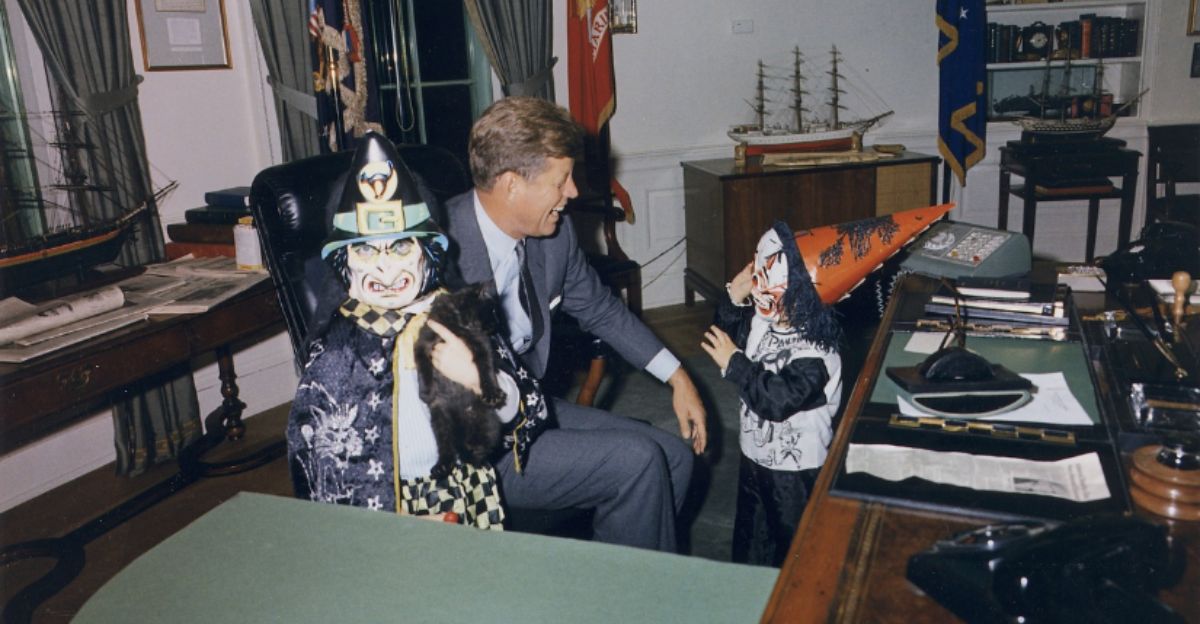
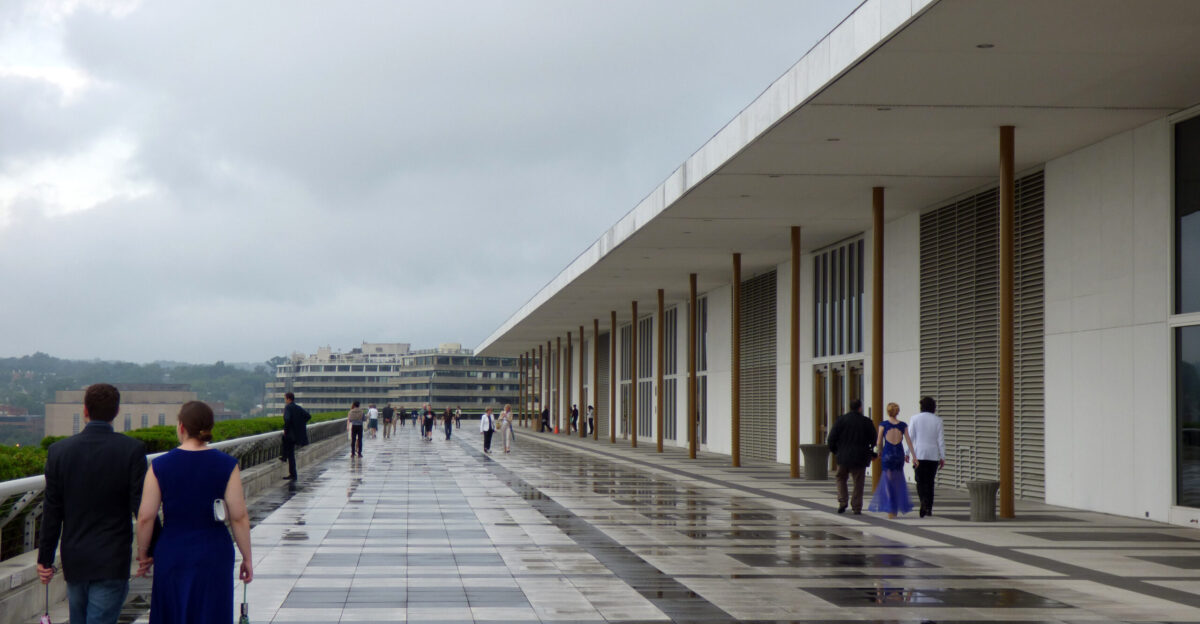
The Kennedy Center was established by Congress in 1964 and dedicated in 1971 as a nonpartisan memorial to President Kennedy, enshrining his belief that the arts are “essential to democracy, free expression, and the public good.”
That bipartisan stewardship lasted 54 years without challenge. Legal scholars argue the renaming violated the original congressional act establishing the center—a claim House Democrat Joyce Beatty pursued in court this week.
Grenell’s Counteroffensive and Legal Threats
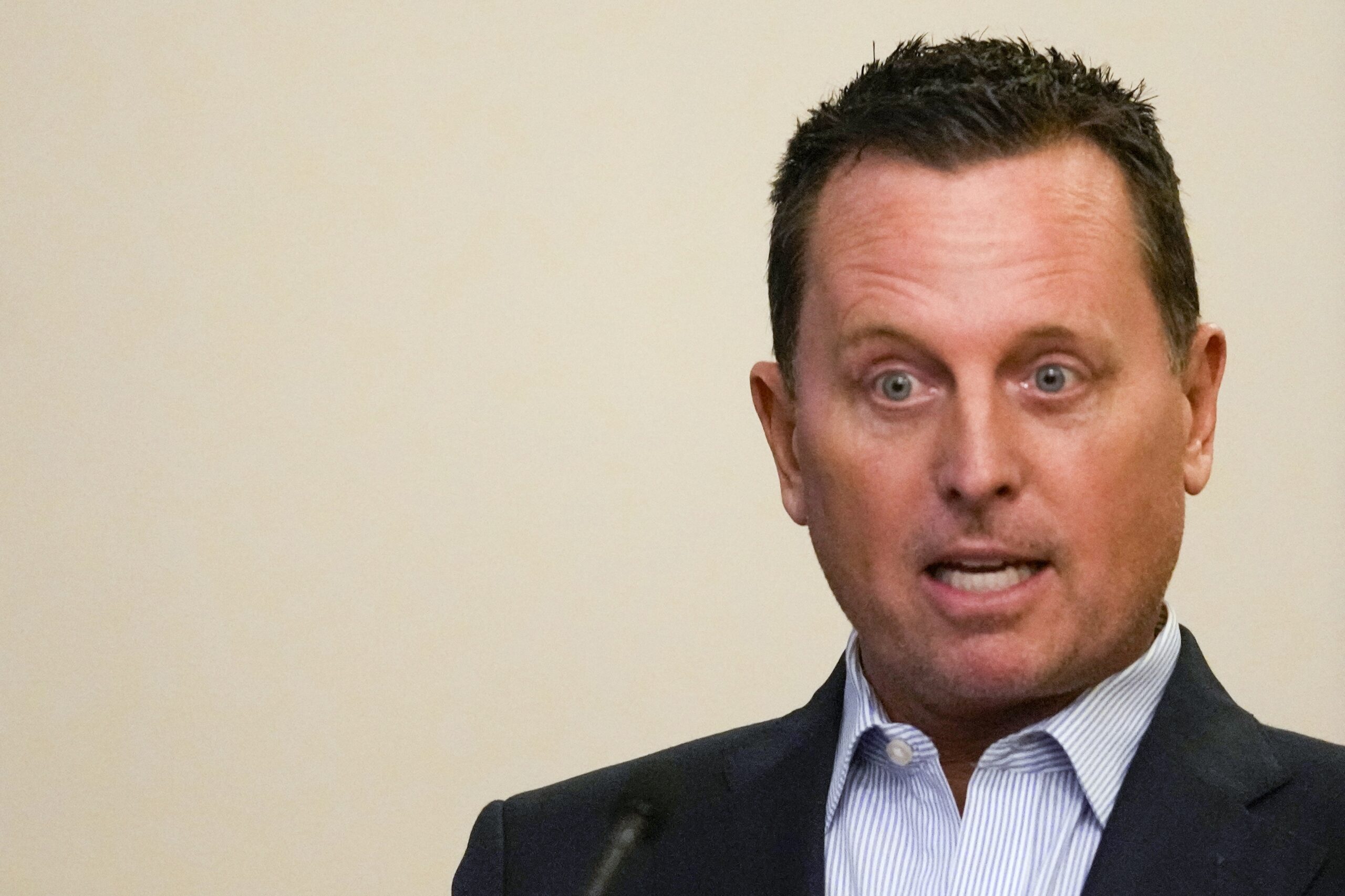
Richard Grenell, the Trump-appointed president of the Trump-Kennedy Center, has escalated tensions with combative rhetoric. He labeled artists “far-left political activists” and accused the previous board of prioritizing ideology over artistry.
When jazz drummer Chuck Redd canceled his Christmas Eve performance, Grenell threatened a $1 million lawsuit, characterizing the withdrawal as “a clear act of intolerance” and a “political stunt.”
“Derangement Syndrome” and Institutional Defense
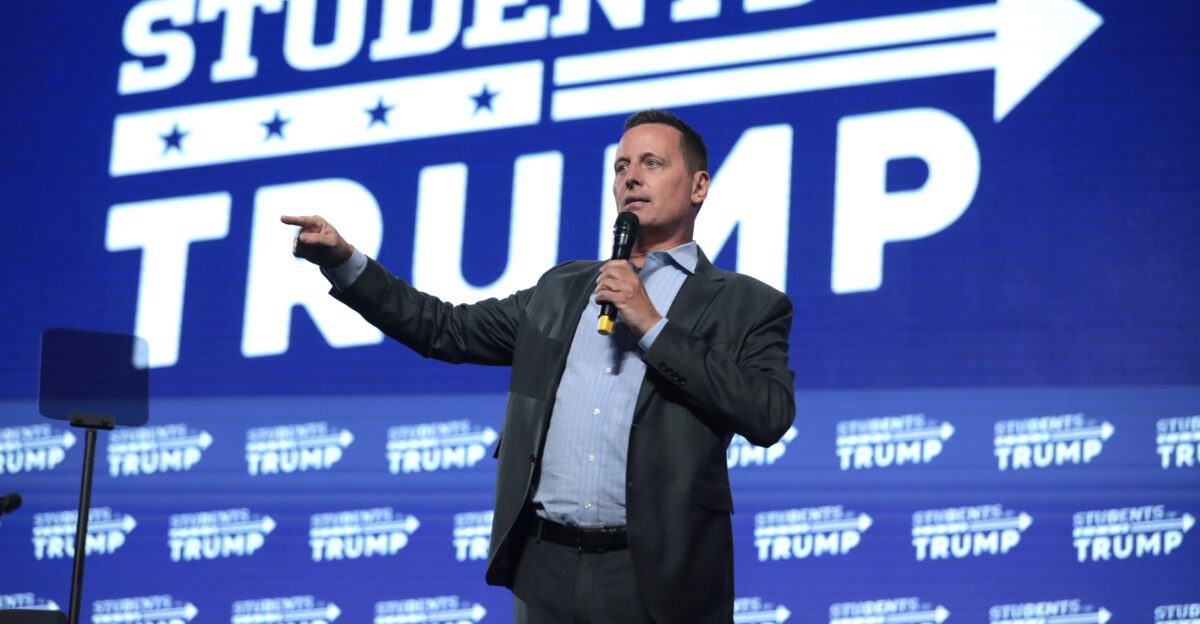
In a particularly pointed comment, Grenell remarked that “boycotting the arts to show you support the arts is a form of derangement syndrome.” He positioned the center’s reopening and recent restorations as Trump’s personal achievement, suggesting that artists who object are ungrateful.
The White House echoed this framing, with spokesperson Karoline Leavitt stating the board renamed the center “because of the unbelievable work President Trump has done over the last year in saving the building.”
The Kennedy Family’s Quiet Disapproval
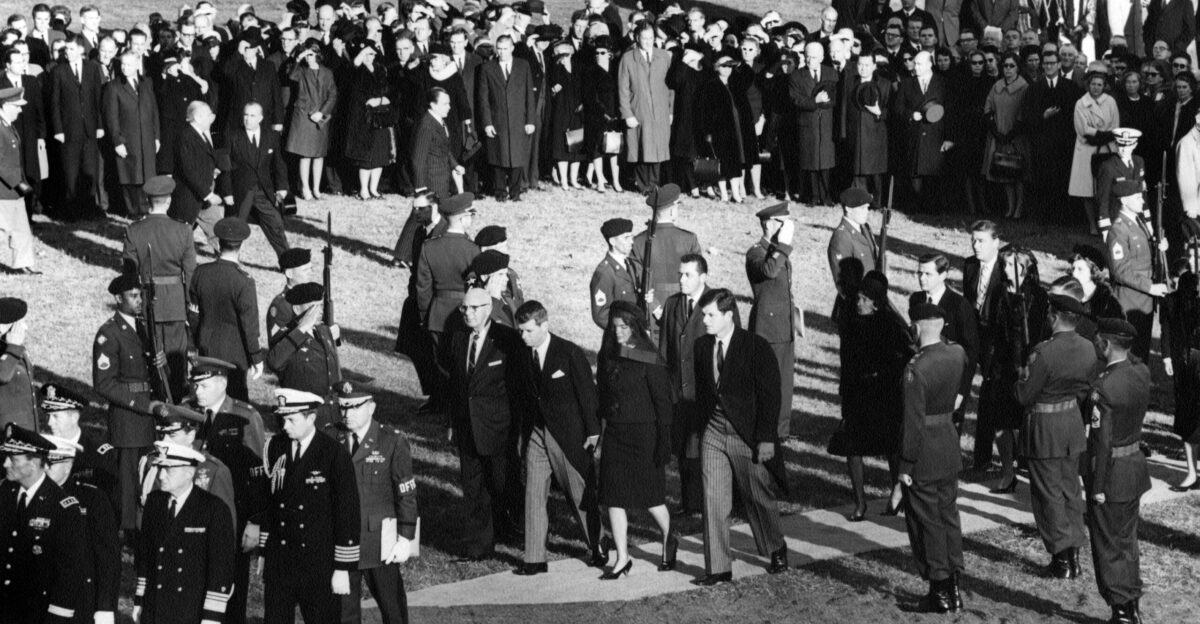
Members of President John F. Kennedy’s family have publicly criticized the renaming, though their statements remained measured. The name change transforms a memorial to the assassinated president into a dual tribute—a redefinition many relatives view as disrespecting Kennedy’s legacy.
Their criticism, combined with artist cancellations and legal challenges, compounds the public relations damage the Trump administration sought to avoid.
A Bipartisan Tradition Dismantled
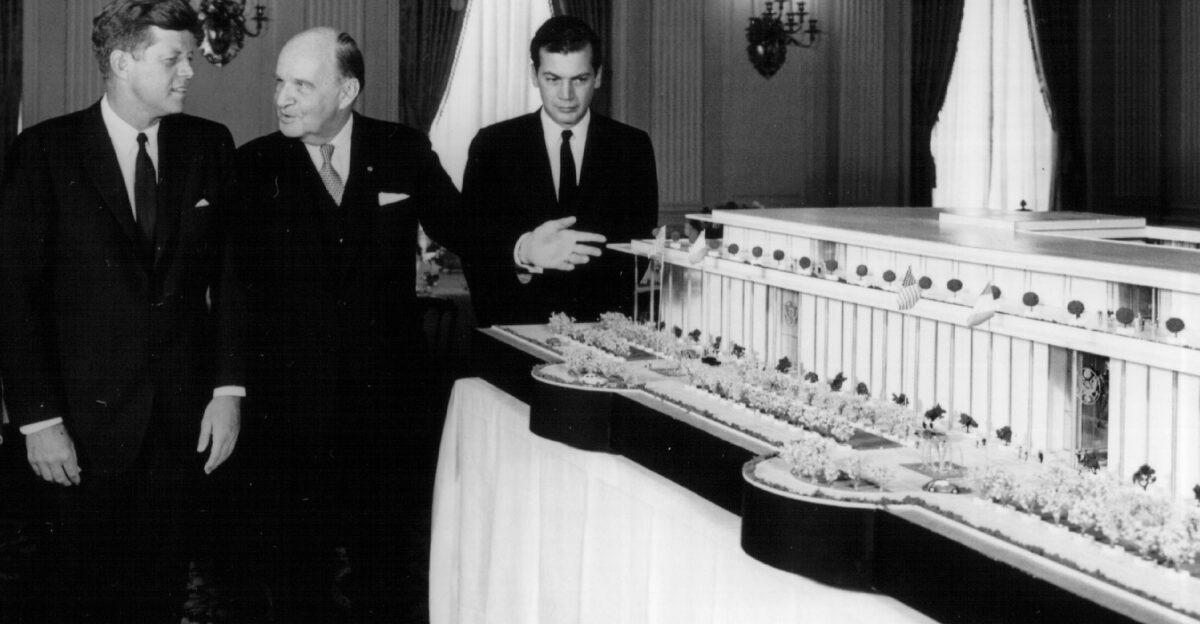
For over five decades, the Kennedy Center’s board operated as a symbol of bipartisan cooperation in American cultural life. Trump’s board overhaul eliminated that tradition wholesale—replacing experienced arts administrators and dance staff with political allies.
Former board members who had stewarded the institution through economic downturns, political transitions, and artistic challenges were pushed aside in weeks.
Jazz Musicians Invoke Freedom and History
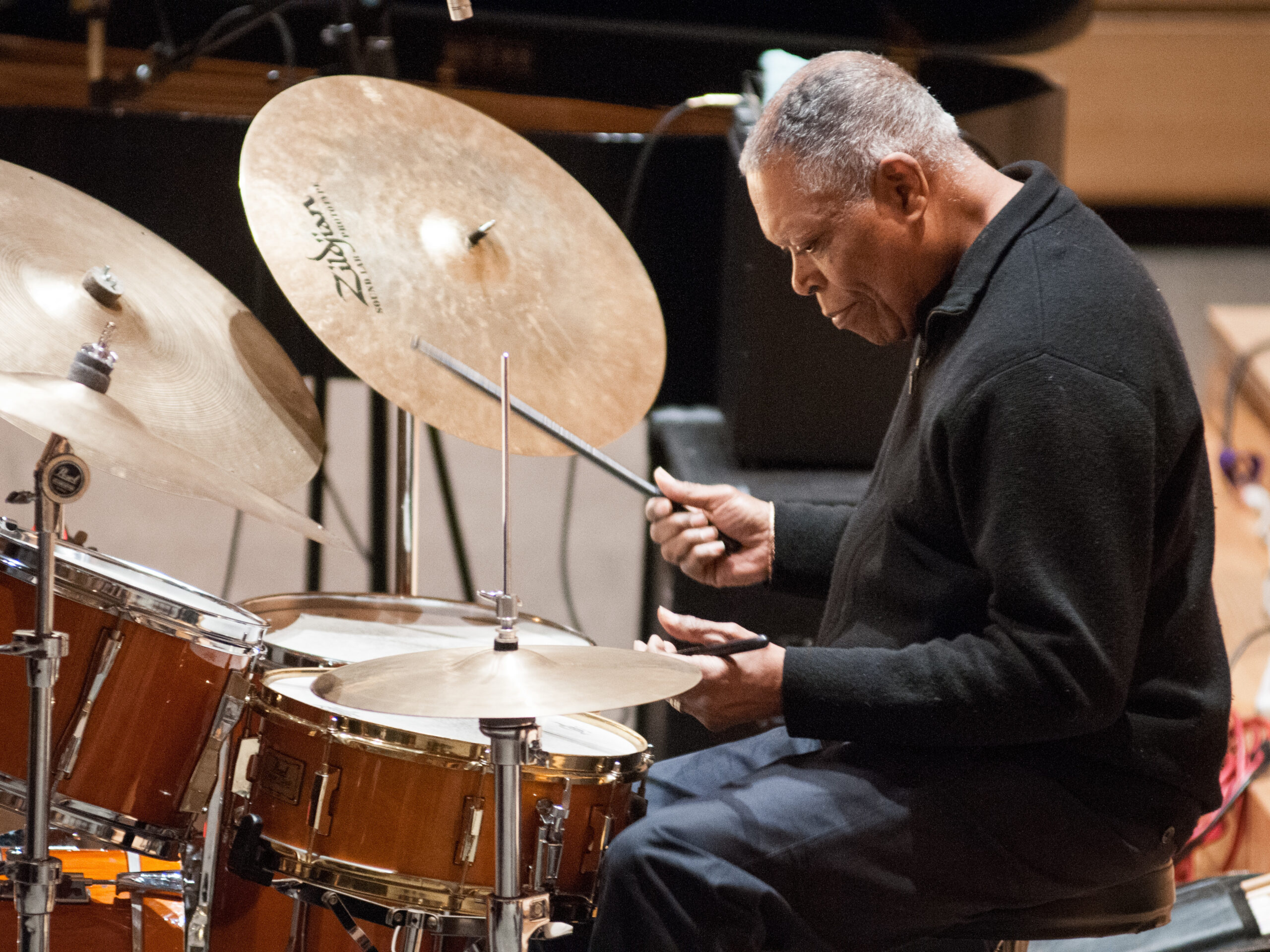
Beyond The Cookers’ statement, other jazz musicians cited the genre’s historical struggle. Drummer Billy Hart, the driving force behind The Cookers, and other ensemble members invoked jazz’s connection to resistance and artistic freedom.
For musicians with decades in the art form, the Kennedy Center’s transformation felt like a betrayal of the principles jazz embodied—turning a cultural institution into a political trophy.
Virtual Performances and Grassroots Support
Kristy Lee’s decision to broadcast from home on January 14 turned cancellation into creative resistance. Her Instagram post generated hundreds of thousands of likes and comments—a show of solidarity from fans and fellow artists.
Varone’s company received “overwhelming support from the dance community and artists worldwide,” he told PBS, “including individuals I have never met and who have never seen our company, congratulating us for our integrity.”
The Boycott Spreads Across Broadway
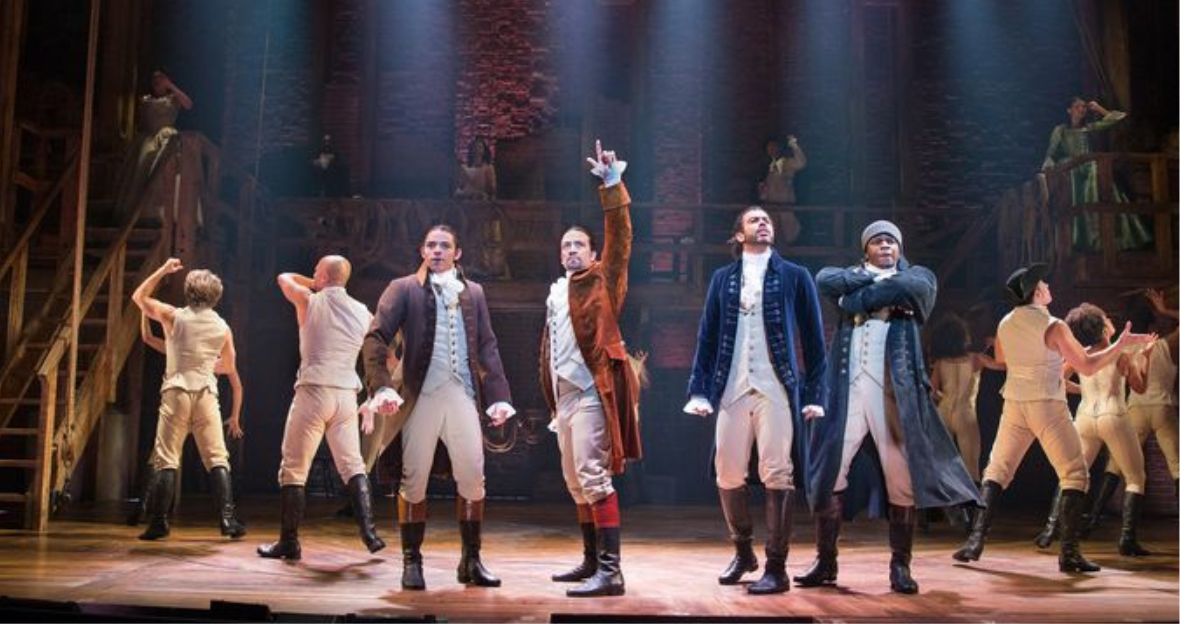
Producer Jeffrey Seller, whose Broadway show Hamilton was scheduled at the Kennedy Center, stated: “We cannot presently support an institution that has been forced by external forces to betray its mission as a national cultural center that fosters the free expression of art.”
His cancellation joined a growing chorus of industry voices questioning whether artists could ethically use a rebranded venue. Each withdrawal lowered the reputational cost for the next act, considering the boycott.
Contract Protections and Legal Gray Areas
Doug Varone revealed that his contract included a clause allowing withdrawal if the company’s reputation faced compromise. “If they wish to pursue legal action for that, I would welcome legal counsel to review the matter,” he said on PBS.
Not all artists enjoyed such protections, creating legal ambiguity. Meanwhile, the congressional act establishing the Kennedy Center required legislative approval for name changes—a detail the Trump administration appeared to overlook.
Ticket Holders Left in the Lurch
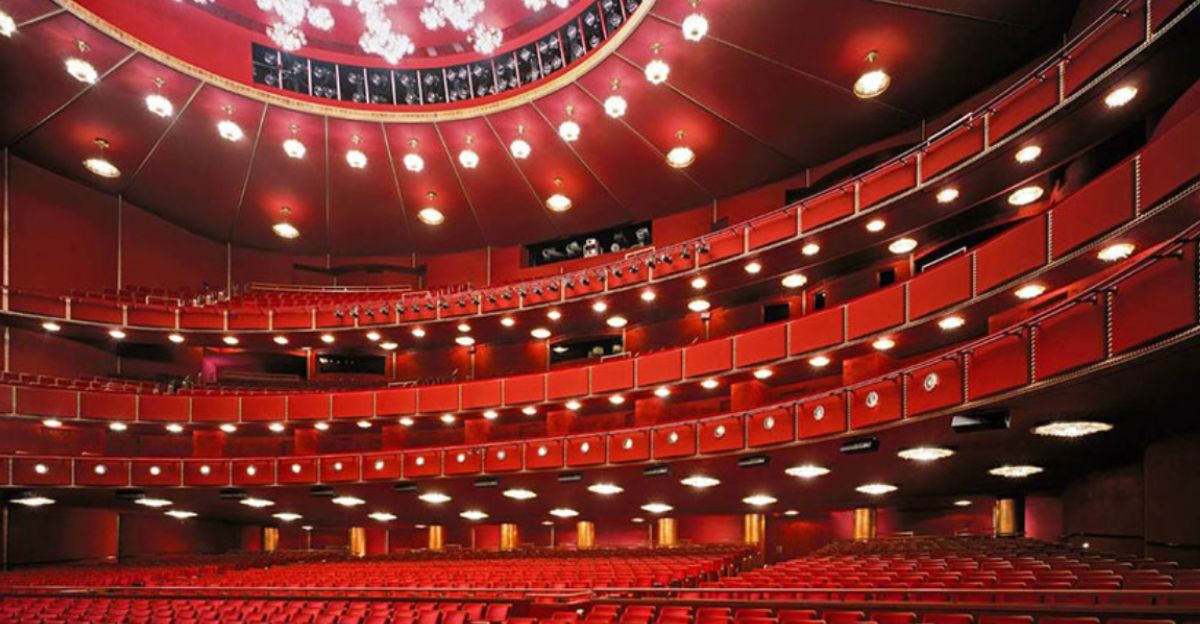
Fans holding tickets to canceled performances faced refunds or credits—an inconvenience compounded by the symbolic loss. The January 14 Kristy Lee show, The Cookers’ New Year’s Eve performances, and Doug Varone’s April anniversary shows represented carefully planned cultural experiences.
Cancellations disrupted patrons’ lives and forced the Kennedy Center’s box office into damage control, repairing the venue’s relationship with its audience.
International Implications for American Soft Power
Doug Varone noted his 40-year history performing internationally through State Department cultural programs under both Democratic and Republican administrations. The Kennedy Center renaming raised questions about America’s cultural authority abroad.
If artists refuse to perform at the nation’s premier arts venue, how credibly can the U.S. project soft power through culture? Foreign cultural institutions watched the controversy unfold with interest.
The Momentum Builds—More Cancellations Expected
Industry observers predicted additional cancellations through April and beyond. The pattern established—announce political objections, sacrifice income, gain artistic community support—lowered barriers to further withdrawals.
Programming directors braced for more cancellation announcements. What began with three major acts evolved into a template, and the Kennedy Center’s calendar faced expanding gaps through spring 2026.
A Reckoning Over Public Institutions and Power
The Kennedy Center controversy crystallized a deeper debate: Can publicly funded institutions remain nonpartisan? The center’s congressional charter intended it as a cultural commons—a space above political capture.
Trump’s renaming tested whether that ideal could survive executive ambition. Artists responded by reasserting their own autonomy, choosing conscience over contracts and transforming the boycott into a statement about institutional independence itself.
What’s Next for America’s Arts Institution
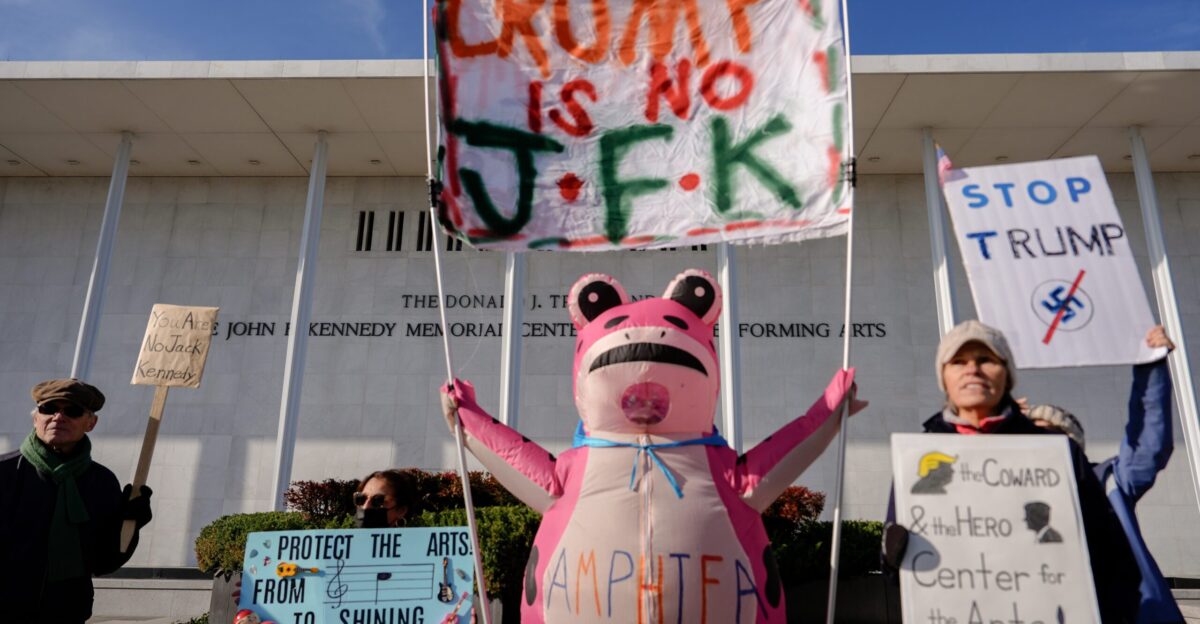
The Trump-Kennedy Center faces an unprecedented crisis: plummeting ticket sales, mounting artist cancellations, legal challenges to the renaming, and reputational damage. Richard Grenell’s threats of lawsuits and accusations of “derangement syndrome” alienated rather than rallied support.
As January progresses and April approaches, the institution that celebrated American culture for 54 years confronts a choice: adapt to the rebranding or accept the cultural cost of artists voting with their absence.
Sources:
- Kristy Lee: Instagram statement, December 22, 2025
- Doug Varone: The New York Times, December 29, 2025; PBS NewsHour, January 2026
- The Cookers: Official website statement, December 29, 2025
- Richard Grenell: BBC News, December 30, 2025; ABC News
- Jeffrey Seller: Hamilton producer statement, March 2025 (cancellation announcement)
- Joyce Beatty: CNN interview, December 18, 2025 (on board vote)
- Billy Hart/The Cookers: Official Cookers website and performance record