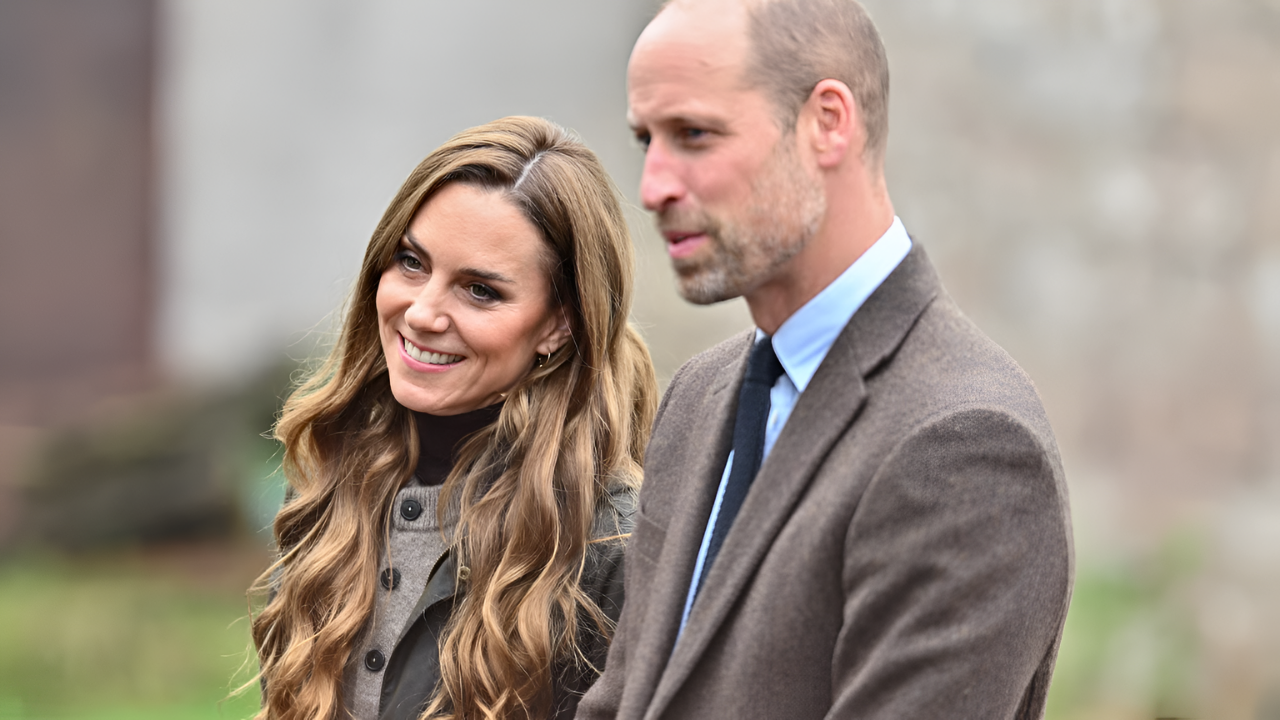
Prince William and Kate Middleton have recently made Forest Lodge in Windsor Great Park their permanent home. The grand Georgian mansion, worth about £16 million, sits among 150 acres of parkland that now form part of the royal family’s private grounds. The move is meant to give the Prince and Princess of Wales and their three children a fresh start after leaving their old home, Adelaide Cottage.
Adelaide Cottage, where they lived since 2022, carried unhappy memories. According to royal sources, the atmosphere there had become emotionally heavy, prompting the family to move sooner than planned. Instead of waiting until Christmas, they shifted during the October half-term break so the children could return to Lambrook School feeling settled. Prince William even held a farewell party at The York pub on October 31 to thank their staff, marking the quick transition.
The family’s move, however, did not go as smoothly for their new neighbors. Locals soon learned that new security rules around Forest Lodge would close off areas of the park that residents had enjoyed using for years, sparking anger and debate across the community.
Inside the Historic Mansion
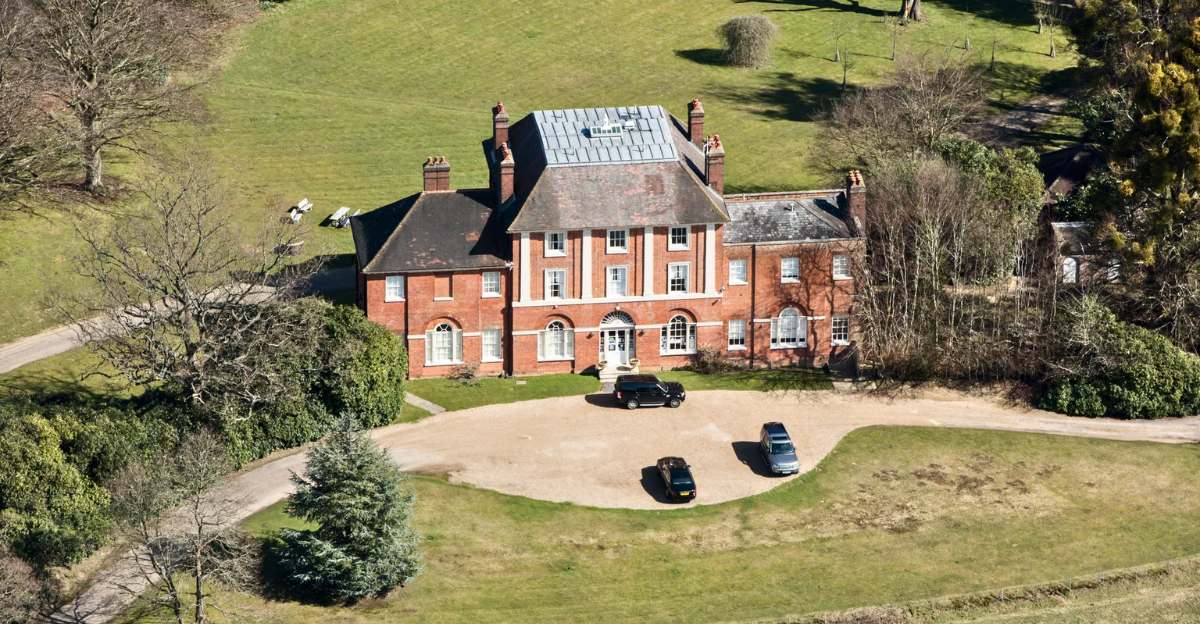
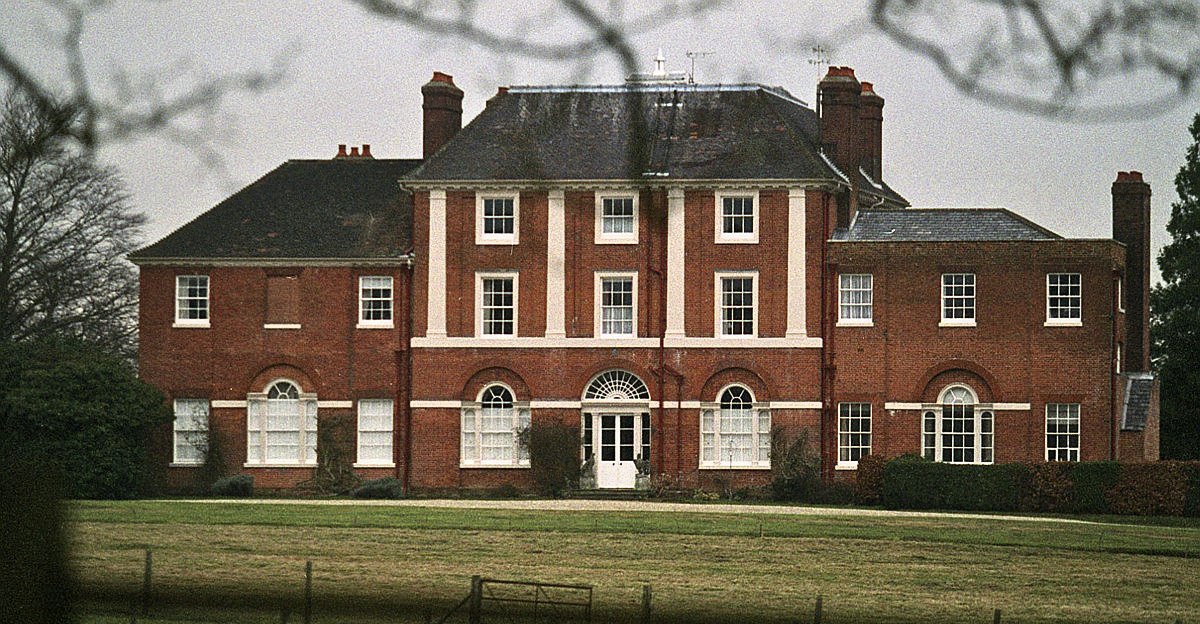
Forest Lodge is a historic estate with a rich past. Built in the 1770s and expanded in the early 1900s, the house blends Georgian and Edwardian styles. It features eight bedrooms, a ballroom, tennis courts, marble fireplaces, and large Venetian windows. The ceiling of the main hall has a beautiful barrel-vaulted design, giving the space a grand, old-world charm.
The mansion sits within the Crown Estate’s 4,800-acre property, meaning the royal couple pays standard rent rather than owning it privately. Though the house is luxurious, they do not keep live-in staff, reflecting their desire for a relatively normal family life.
Palace insiders say this will be William and Kate’s main home for years to come, even when William becomes king. The timing makes sense: Buckingham Palace is undergoing a £369 million restoration and will largely be an administrative center after 2027. By settling at Forest Lodge, the couple signals their intention to live permanently in Windsor rather than shifting between multiple royal residences.
Security Rules Stir Local Anger
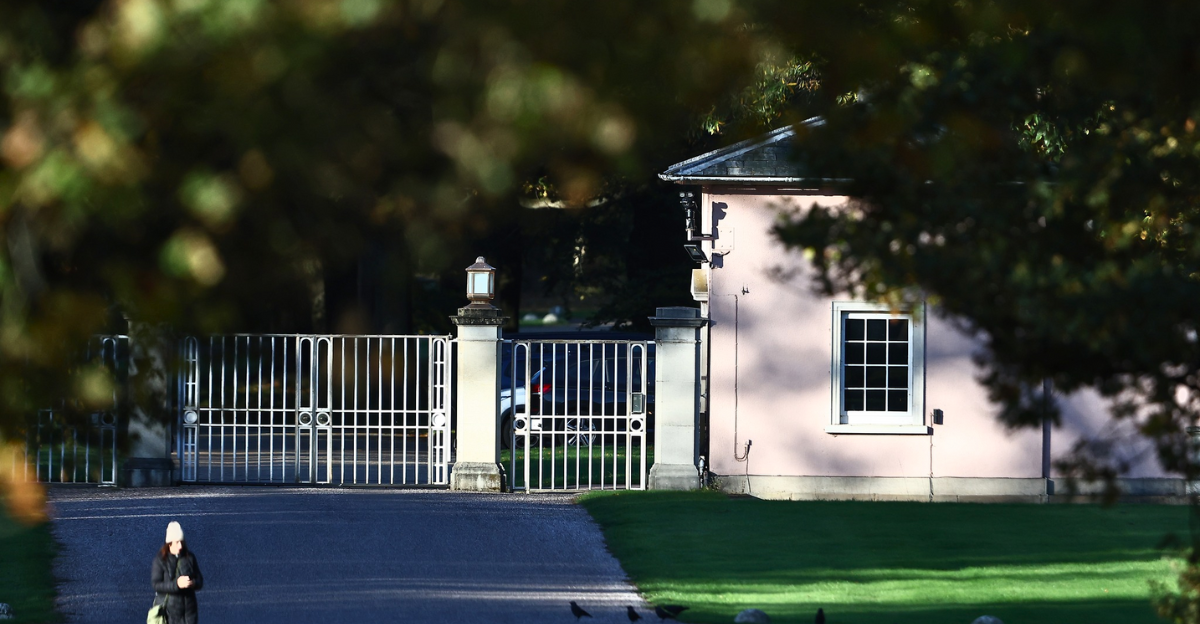
In September, The Crown Estate announced new security measures that changed life around Windsor Great Park. Starting from September 29, large sections around Forest Lodge became part of a security exclusion zone, enforced under Section 128 of the Serious Organised Crime and Police Act 2005.
This 2.3-mile perimeter sealed off familiar walking trails, gates, and bridleways, including popular entry points like Cranbourne, Sandpit, Woodend, and South Forest Gate. The closure also affected a public car park that many residents had used for decades. People who paid an annual £110 fee for access suddenly found their routes blocked. One long-time local, who had been riding and walking there for over 40 years, said she was absolutely gutted.
Many in the area were upset not only by the restricted access but also by the lack of advance notice. Trails that once connected neighborhoods and community spaces were lost overnight. For walkers, joggers, and dog owners, daily routines changed dramatically, and frustration grew as refunds and alternative routes were not offered.
Balancing Security and Public Access
The closures affected more than just local residents. The Berkshire, Buckinghamshire and Oxfordshire Wildlife Trust had to suspend activities at the Windsor Great Park Environmental Centre, located near the new security zone. The Crown Estate has promised to find new sites for these programs, but uncertainty remains.
Some locals initially welcomed the royal family’s move to Windsor, believing it would boost the area’s reputation. But those same people are now expressing disappointment and even a sense of betrayal. “I was excited when I heard they were moving here,” one resident said, “but I didn’t expect this.”
Security experts, however, argue that the measures are essential. Dai Davies, the former head of the Royal Protection Command, explained that increasing the distance between the public and the royal residence gives security teams more time to respond to potential threats, and that time can save lives. He noted that the royal family faces ongoing risks from terrorism and stalking, and their protection must take priority. “It’s understandable that people are upset,” he said, “but safety comes first.”
Despite such reasoning, tensions remain high. The Duchy of Cornwall’s £22.9 million surplus for 2024–2025 helps cover the family’s expenses, but many locals feel their concerns have been overlooked. The situation mirrors previous disputes around royal homes like Adelaide Cottage and Frogmore, where public access and privacy often clashed.
The changes seem built for the long term, especially since Prince George, now 12, may attend Eton College nearby in 2026. The family’s new base provides stability and privacy, but it also highlights the challenges a modern royal family faces: how to protect themselves while staying connected to the public. The Forest Lodge controversy shows that even in a “slimmed-down” monarchy, the balance between tradition, security, and community remains difficult to maintain.
Sources:
Serious Organised Crime and Police Act 2005, UK Government legislation, 2005
Duchy of Cornwall Annual Report and Accounts 2024-2025. Duchy of Cornwall, 2025
“This is for the long term and it’s their intention to stay in Forest Lodge once he becomes king.” BBC, 2025
“By establishing an exclusion zone around William’s family home, police hope to maximise the time available for reaction to any potential threat. More distance means more time. And time is a life-saver.” Daily Mail, November 15, 2025