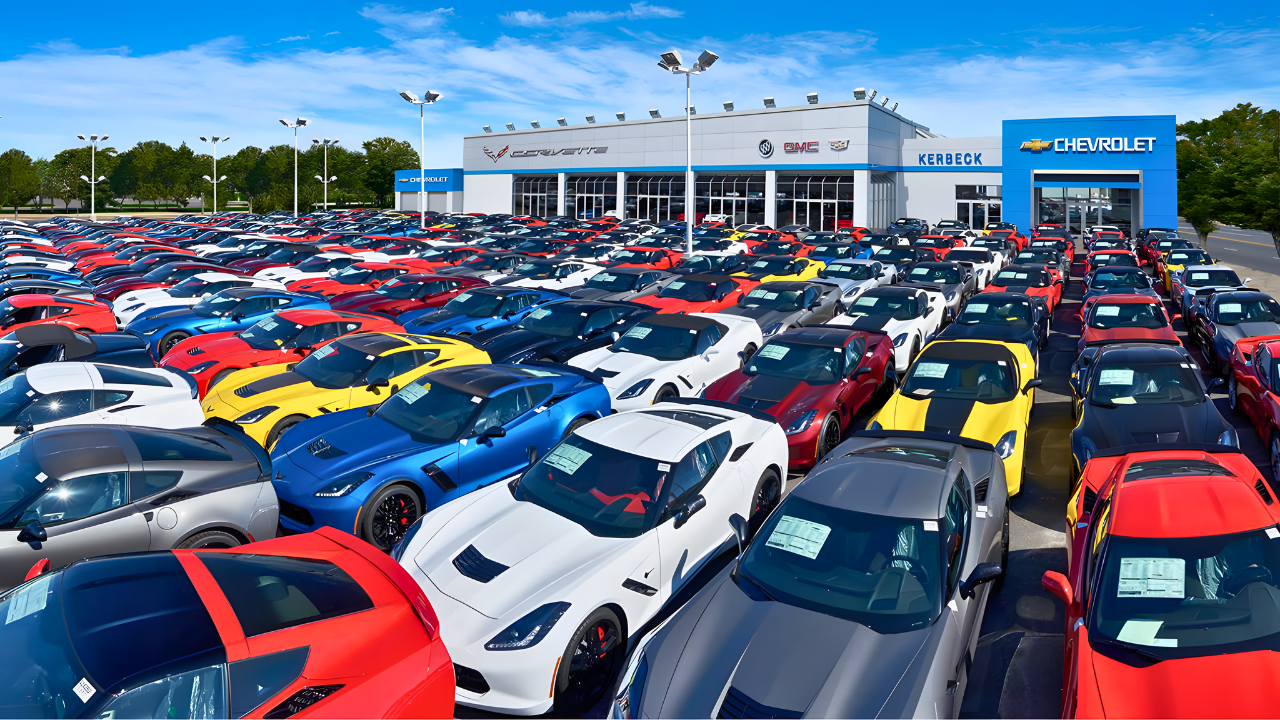
A critical fuel system defect has forced General Motors to halt all sales of its flagship Corvette Z06 and ZR1 models, affecting more than 23,000 vehicles valued at between $2.3 billion and $3.5 billion. The nationwide stop-sale order came after federal regulators and company engineers identified a dangerous vulnerability that allows fuel and vapor to escape during refueling and pool near superheated engine components, creating an immediate fire risk.
The Defect and Its Dangers
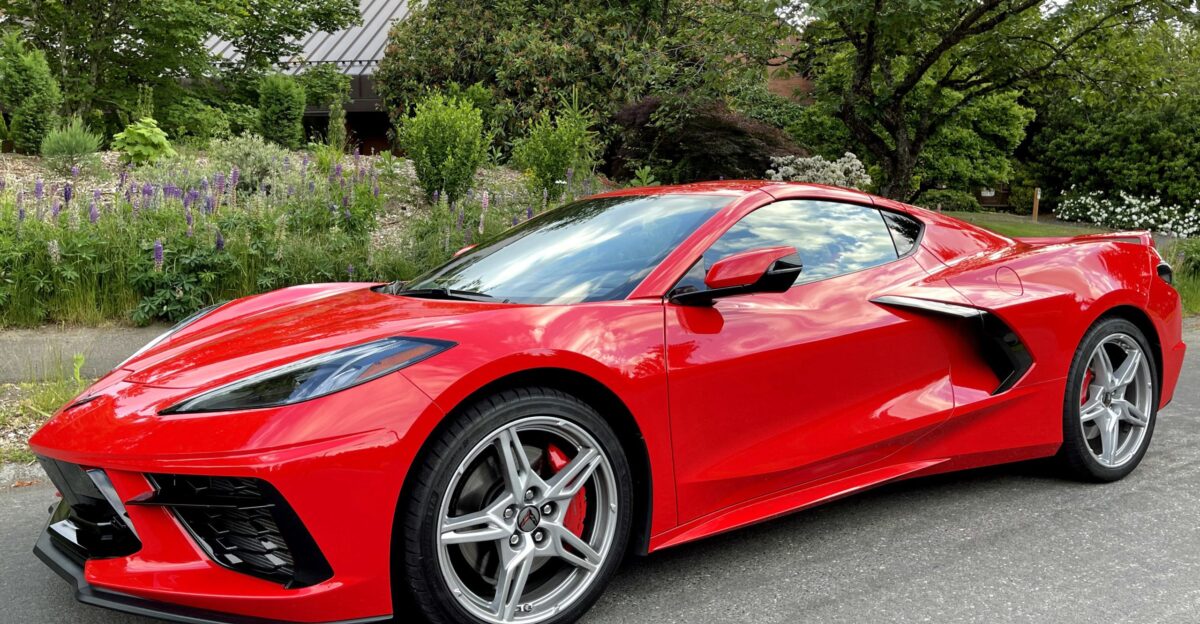
The recall specifically targets high-performance variants from model years 2023–2026 for the Z06 and 2025–2026 for the ZR1. Unlike standard Corvettes, these track-focused models have a design flaw in their fuel system where excess gasoline or vapor can escape if the tank is pressurized incorrectly during refueling. The leaked fuel migrates dangerously close to the left-side radiator cooling fan, which operates at temperatures capable of igniting combustible fumes.
Federal investigators determined that what should be a routine task—filling a gas tank—could trigger catastrophic combustion. The National Highway Traffic Safety Administration (NHTSA) escalated the defect under campaign numbers N252514930 and 25V536, categorizing it as a significant fire hazard requiring immediate intervention.
How the Problem Was Discovered
The defect came to light after reports surfaced that several Corvettes had spontaneously burst into flames, revealing that the fuel system could not adequately contain fluids under certain pressurized conditions. These real-world incidents forced GM engineers to acknowledge a lethal oversight in their flagship design, necessitating a complete halt to deliveries to prevent further catastrophic losses.
The Sales Freeze Takes Effect
In a shock to the dealer network, Chevrolet ordered all retailers to stop selling the Z06 and ZR1 immediately. Showroom floors featuring these models are now frozen, with salespeople barred from handing over keys to buyers until the safety risk is resolved. This unprecedented move prioritizes consumer safety over revenue generated by these high-margin, ultra-performance machines.
The impact extends beyond dealers. Owners of affected vehicles face strict warnings: do not top off your tank at the pump. The common practice of overfilling could force excess fuel into vulnerable areas near the hot cooling fans. Instead, drivers are instructed to stop pumping gas immediately after the nozzle clicks off the first time, a temporary safety measure until repairs are completed.
The Engineering Solution and Repair Timeline
To resolve the crisis, Chevrolet engineers developed a hardware fix. Technicians will install a specialized protective shield designed to physically prevent fuel or vapor from contacting the hot left-side radiator assembly, eliminating the ignition source path entirely. The repair is being offered at no cost to owners, as federal law mandates free fixes for safety-critical manufacturing defects.
Replacement parts began arriving at service centers in late October 2025, triggering a massive logistical operation. General Motors mobilized its supply chain to rush protective shields to dealerships across North America. Service departments now face the daunting task of scheduling thousands of appointments to retrofit the affected vehicles, a coordination effort expected to cost millions in labor and shipping.
Financial and Reputational Consequences
The economic footprint is severe. Beyond the estimated $50 million to $100 million in direct repair costs, GM faces significant lost revenue from the nationwide sales freeze, striking a heavy blow to quarterly financial performance. For the company, the path forward involves more than installing shields; it requires rebuilding broken trust with its most loyal customers.
The Z06 and ZR1 represent the pinnacle of American automotive performance, making this oversight particularly damaging. Industry critics question how such a dangerous defect persisted through four model years of testing, challenging the rigorous safety protocols usually associated with GM’s most prestigious performance division.
Notably, the defect is isolated to high-performance Z06 and ZR1 trims. The standard Corvette Stingray and hybrid E-Ray utilize different configurations and are unaffected, allowing some market continuity during the crisis.
What Owners Must Do
If you own a 2023–2026 Z06 or 2025–2026 ZR1, verification through the NHTSA website or Chevrolet’s recall center is non-negotiable. Schedule the free repair as soon as possible. Until the protective shield is installed, exercise extreme caution at gas stations and adhere strictly to the first-click refueling rule to mitigate fire risk.
Sources:
NHTSA Part 573 Safety Recall Report 25V536 – National Highway Traffic Safety Administration [PDF]
Mfr’s Report Date: August 21, 2025 – NHTSA Campaign Number 25V536 – National Highway Traffic Safety Administration [PDF]
Chevy Corvette Recall Information – Chevrolet
GM recalls over 23,000 Chevrolet Corvettes – USA Today
Recall And Stop Sale Issued For C8 Corvette Z06 And ZR1 Because Of A Gas-Pump Fire Risk – Jalopnik