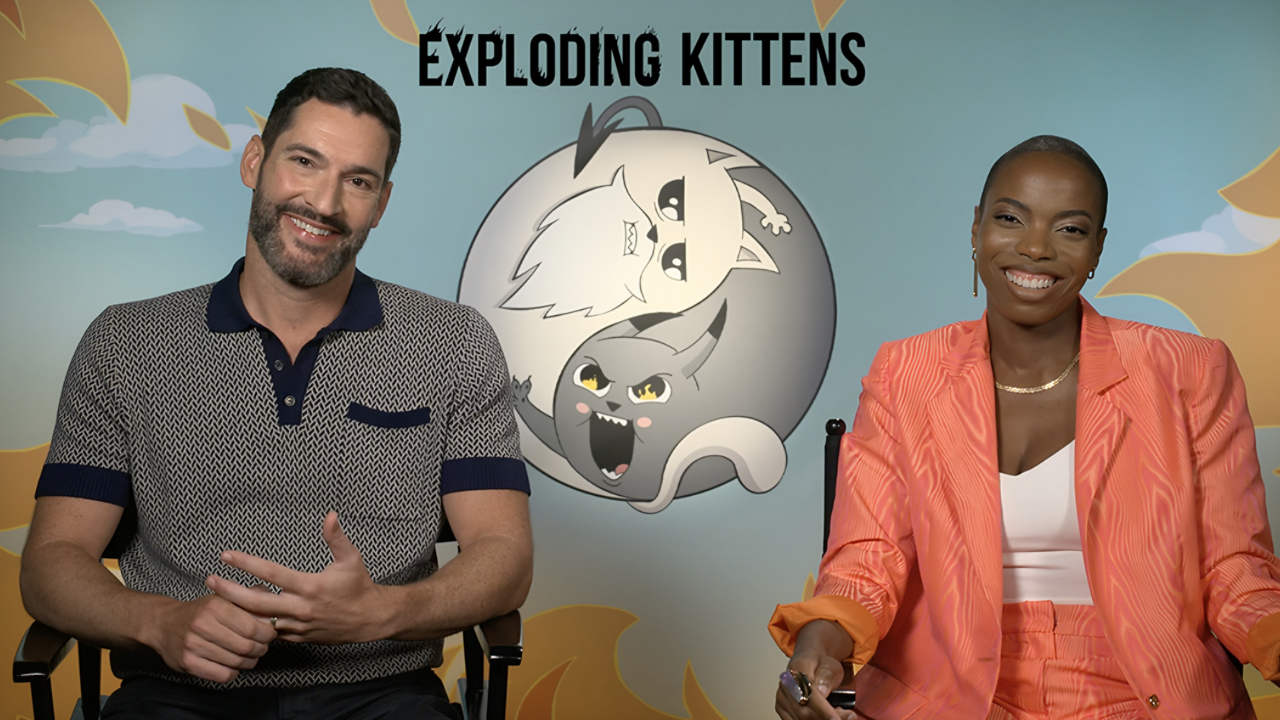
Two divine cats embodying cosmic opposites. One bewildered suburban family caught between heaven and hell. Nine episodes of absurdist brilliance. Then, gone. Erased. Canceled. Netflix’s Exploding Kittens vanished in November 2025—not because audiences despised it, but because the algorithm said so. A solid 67% on Rotten Tomatoes? Irrelevant. Over ten million devoted card game players worldwide? Invisible.
What mattered was one thing alone: invisible viewership thresholds buried in Netflix’s spreadsheet, metrics the company refuses to publicly explain, numbers that apparently fell short by margins the company will never disclose.
Fresh Doesn’t Mean Saved
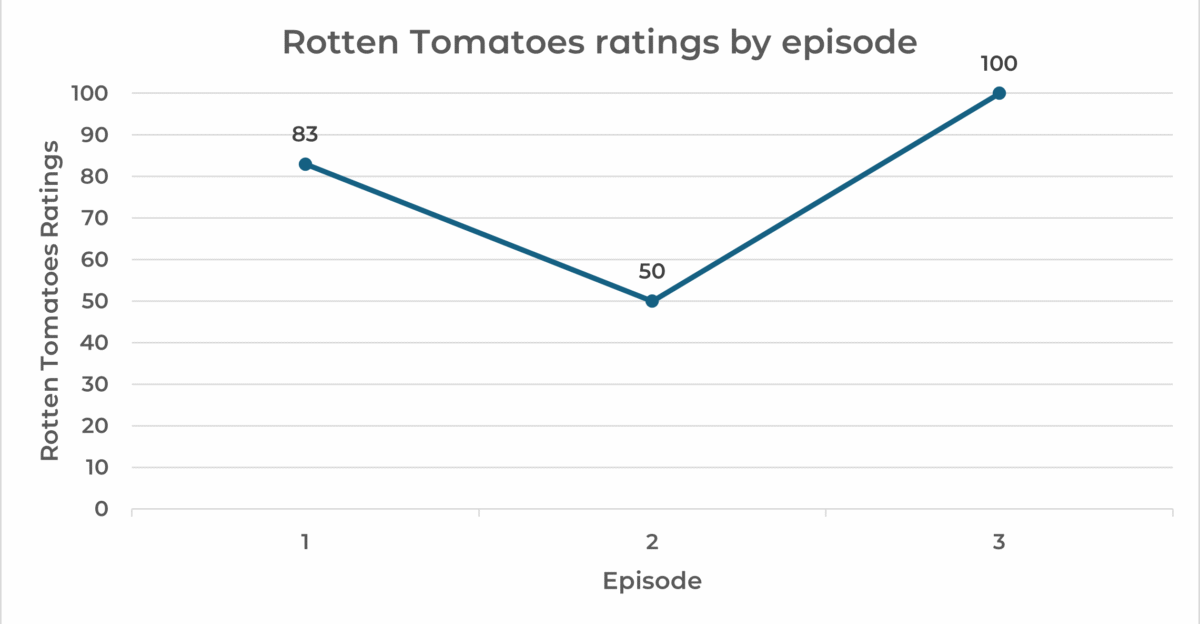
A “Fresh” rating on Rotten Tomatoes should signal safety. Instead, it revealed Netflix’s dirty secret: critics and streaming platforms speak completely different languages. Netflix wasn’t measuring what critics measured.
It was measuring clicks, engagement, and weekly chart performance. The show had viewers. Just not enough viewers, according to metrics Netflix refuses to explain publicly.
The Kickstarter Boom That Died on Screen
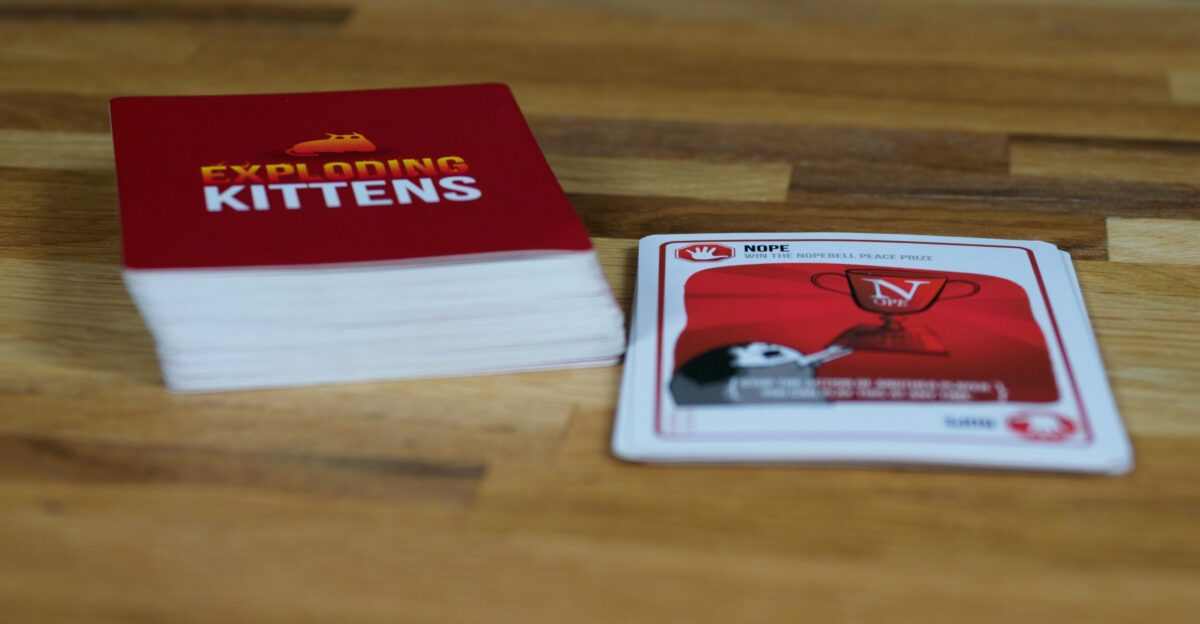
Matthew Inman’s Exploding Kittens card game crushed Kickstarter: 219,382 backers, $8.7 million, over 10 million copies sold worldwide. People loved this IP. They carried it in their pockets, played it in living rooms, and celebrated it in game cafes.
But screens killed what tabletops created. Netflix believed the fanbase had evaporated. It hadn’t—it just didn’t translate to streaming metrics.
Tom Ellis and Sasheer Zamata’s Forgotten Battle
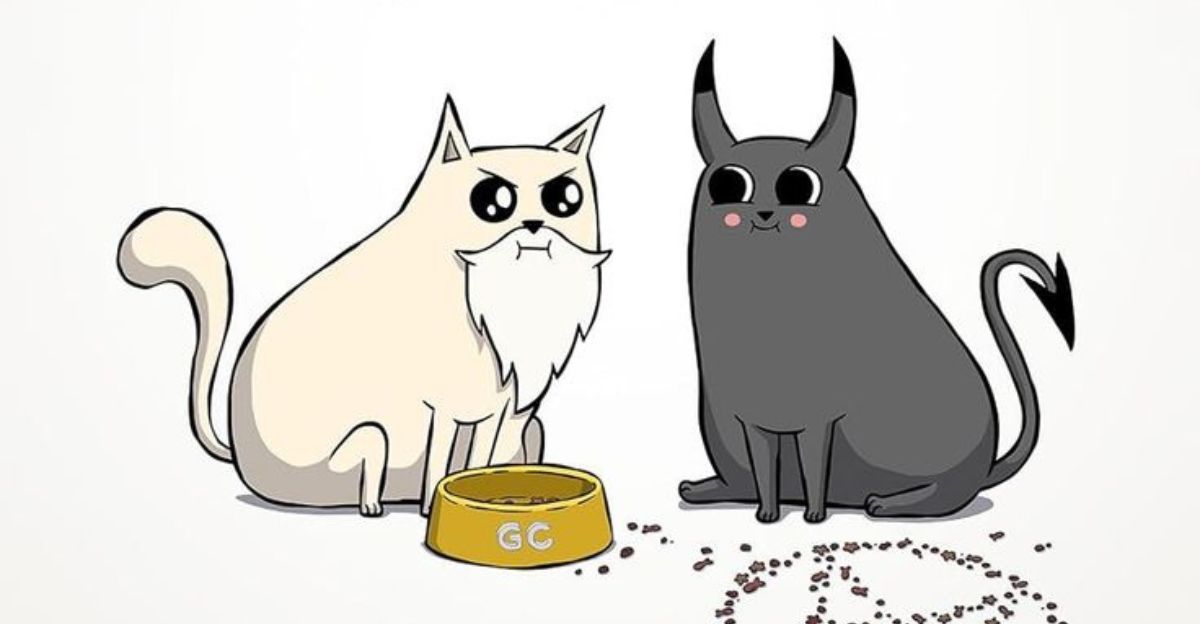
Godcat and Devilcat. Righteous versus mischievous. Divine opposites trapped with a suburban family. Tom Ellis and Sasheer Zamata brought cosmic absurdity to life across nine episodes, each one more confident in its weird humor.
The show existed. It was good. Then Netflix decided it no longer deserved to exist. Development for Season 2 halted before it truly began.
King of the Hill Wasn’t Enough

Mike Judge and Greg Daniels—the Emmy-winning minds behind King of the Hill—couldn’t save this one. They brought serious creative ammunition. Matthew Inman brought proven IP. Elan Lee and Shane Small brought a fresh perspective.
None of it mattered. Veteran prestige means nothing when the algorithm has spoken. Netflix’s message: your resume doesn’t beat our data.
The Daily Top Ten Trap
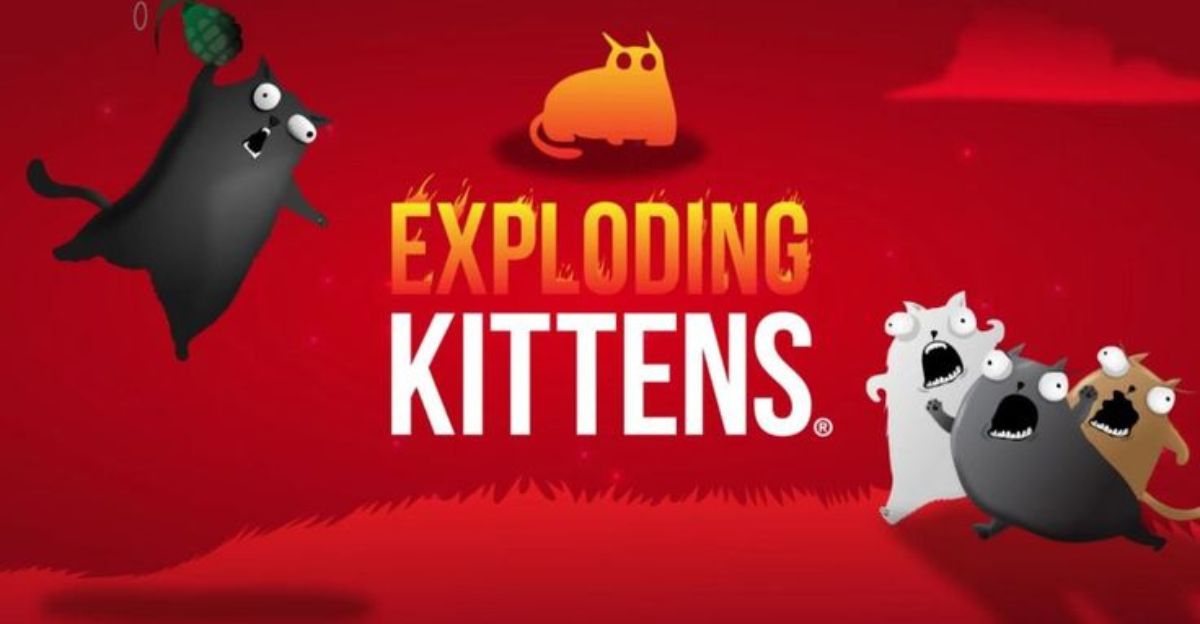
Exploding Kittens climbed Netflix’s daily top ten upon release. Real momentum. Real curiosity. Real clicks. But Netflix plays two different games simultaneously: daily rankings and weekly rankings. Daily spikes mean passing interest. Weekly dominance means staying power.
The show had the first; it lacked the second. Netflix’s calendar works differently from audience interest—and the calendar always wins.
Complicated Is Corporate for Canceled
“Complicated relationship with our content.” That’s what Netflix refers to as mass cancellation. Translation: We cancel things you like regularly, without warning or explanation. This pattern spans animation, drama, comedy, and limited series.
Any genre fails if viewership drops below Netflix’s classified thresholds. For creators, it’s a game where only Netflix knows the rules and changes them after each round.
The Algorithm Doesn’t Believe in Second Seasons

Netflix prioritizes data over storytelling. First-quarter viewership determines everything. Shows requiring time to build audiences? Structurally doomed. Experimental comedy? Too risky. Complex narratives that deepen over time? Netflix doesn’t have the patience.
The algorithm predicts immediate returns, strangling creative ambition at inception. Innovation dies when platforms demand viral success before the first season ends.
Global or Bust

Strong in America? Doesn’t matter if Europe underperforms. Crushing in the UK? Irrelevant if Asia struggles. Netflix demands simultaneous worldwide success or cancellation. Regional fanbases are invisible. Local passion means nothing.
This all-or-nothing framework forces shows into universality—no room for niche storytelling, no space for audience cultivation across different markets: global hits or nothing.
Season 2 Was Never Really Planned
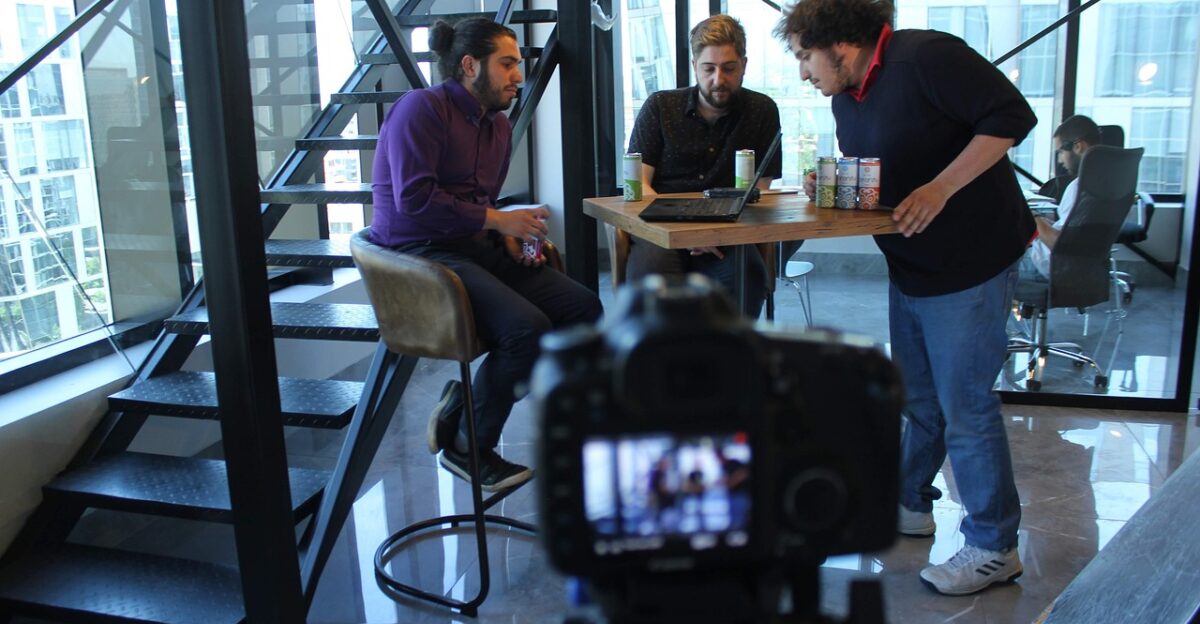
Netflix began preliminary development for Season 2, then halted it. Not after completion—before meaningful work started. The company recognized failure quickly enough to minimize investment before real costs mounted.
For the hundreds imagining where these characters would go, it felt like narrative execution mid-sentence. The speed of the kill reveals the speed of Netflix’s judgment: swift, cold, mathematical.
Zack Snyder Got Destroyed Too

Exploding Kittens wasn’t alone. In November 2025, Netflix simultaneously canceled Zack Snyder’s Twilight of the Gods—a Norse mythology epic featuring prestige star power—and Good Times, an animated sitcom reboot.
Good Times deserved cancellation: 10% on Rotten Tomatoes, legitimate creative issues. But Twilight? Snyder’s name should’ve protected it. It didn’t. The algorithm doesn’t recognize auteurs.
The Nine-Episode Prophecy

Netflix’s new template: Premiere 2024. Complete nine to ten episodes. Face cancellation twelve to fifteen months later. No advance warning. No negotiation. This compressed timeline became industry standard. Netflix now evaluates success quarterly, not annually.
For producers and studios, the math is brutal: one shot to prove yourself within one year or permanent cancellation. Zero patience for audience growth.
Immortally Incomplete
All nine episodes remain on Netflix forever—a strange afterlife. Unlike traditional networks that remove canceled shows, Netflix keeps them accessible indefinitely, preserving them in a state of incompleteness. Fans rewatch knowing with certainty: no tenth episode exists. No resolution arrives. No narrative closure.
Just algorithmic judgment preserved in digital amber. A new form of tragedy: stories that survive but never conclude.
Streaming Platforms Chart Different Courses
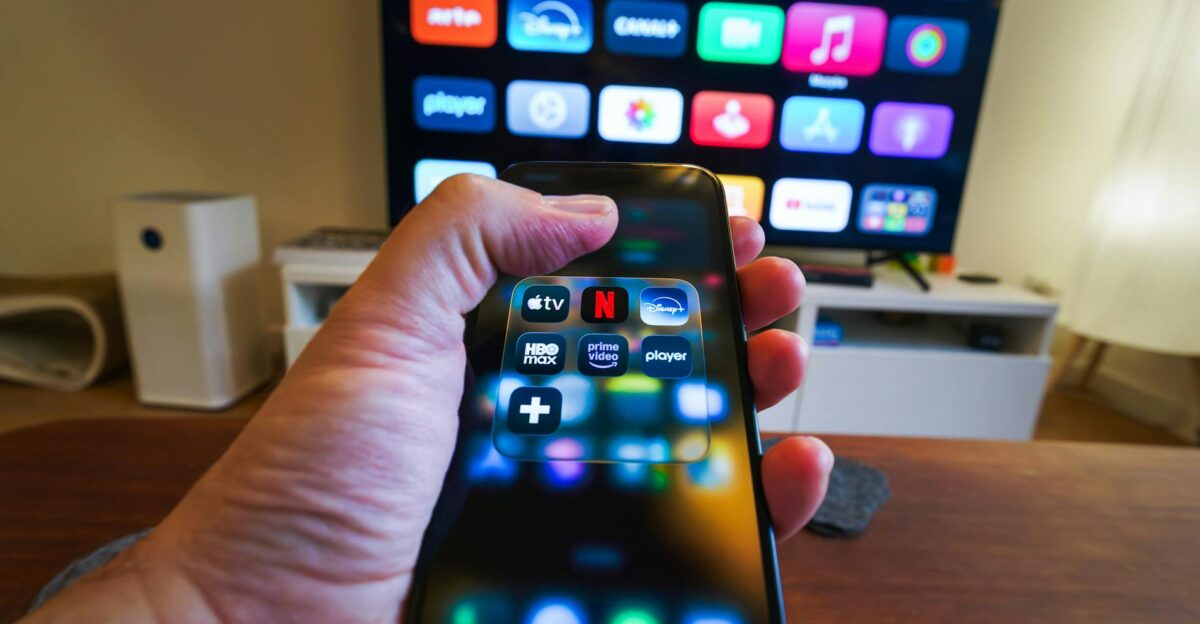
Other streamers have taken varied approaches to content renewal. Netflix’s aggressive quarterly evaluation model contrasts with platforms that maintain different evaluation timelines. Yet industry data on streaming platform strategies remains incomplete and shifting—each service adjusts policies based on subscriber growth, content costs, and competitive positioning.
What’s clear: Netflix’s cancellation pace stands out across the industry landscape, setting a template others reference and sometimes follow.
The Game Survived the Show
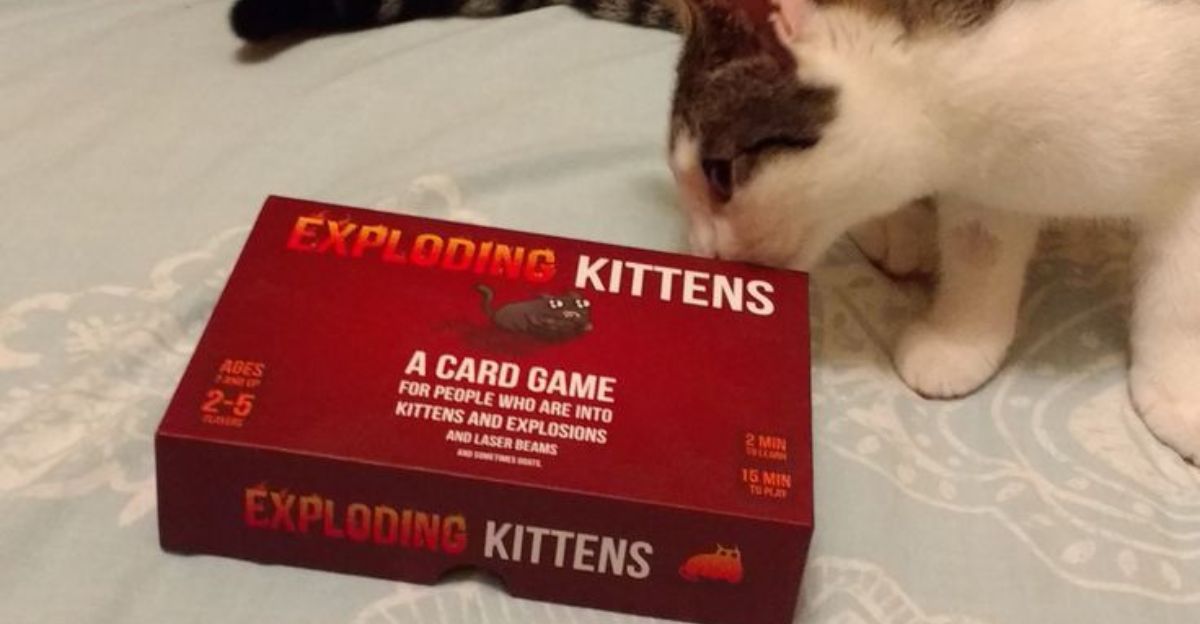
Matthew Inman’s card game continues thriving. Profitable. Culturally relevant. Selling successfully without television’s help. The IP survived Netflix’s decision intact. However, the television expansion—the chance to reach new audiences and deepen the mythology—died on the platform that was supposed to amplify it.
Netflix had the power to elevate Exploding Kittens to new heights. Instead, it murdered the possibility.
Millions Vanished, Strategy Remains Opaque

Netflix’s decision to cancel before investing heavily in Season 2 development reflects broader platform strategy: minimize financial exposure on underperforming content. The company apparently accepts losses on canceled shows as preferable to investing in content that doesn’t immediately demonstrate strong engagement metrics.
For Exploding Kittens and similar projects, this means termination occurs swiftly—before production costs escalate significantly.
Netflix Versus Itself

Industry reporting officially described Exploding Kittens as having “mixed to unfavorable reviews.” The 72% Rotten Tomatoes “Fresh” score contradicts that assessment. Stricter internal standards? Specific critics downgrading despite a broad positive consensus?
The gap between Netflix’s judgment and public reception remains unexplained. Subjective editorial assessment overrode quantitative data.
Silence Speaks Loudest

Matthew Inman, Mike Judge, and Greg Daniels issued no public statements. No gratitude. No complicated feelings. Just silence. Seasoned television veterans know the score: Netflix’s data-driven process supersedes creator appeals. Negotiation is impossible. Negotiation doesn’t exist.
The silence itself becomes the statement—acceptance that algorithms now control television’s fate, not artists.
Animation’s New Anxiety
The cancellation ripples through Netflix’s animation slate. Producers and studios understand the hierarchy now: critical acclaim matters less than first-quarter viewership. Established IP matters less than immediate engagement. Veteran creators matter less than subscriber forecasts.
This environment steers ambitious storytelling toward proven formulas, away from experimental narratives. Netflix publicly commits to supporting diverse voices. Its cancellation patterns tell a different story.
The Spreadsheet Wins

Nine episodes. One lesson. Stories now end not when narratively complete, but when algorithms declare them unprofitable. Exploding Kittens joins Netflix’s expanding archive of incomplete tales—accessible forever yet permanently unresolved. Where data analysis trumps narrative closure and subscriber forecasts supersede creative vision, even quirky premises can’t survive the spreadsheet.
Welcome to modern television, where the math always beats the magic.
Sources:
Netflix Official Cancellation Announcement – Netflix Media Center
Exploding Kittens Kickstarter Campaign – Kickstarter
Rotten Tomatoes Exploding Kittens Score – Rotten Tomatoes
Industry Report: Netflix Cancellation Patterns 2025 – Variety
Streaming Wars Analysis: Netflix vs Competitors – The Hollywood Reporter
Matthew Inman Interview on IP Adaptation – The Verge