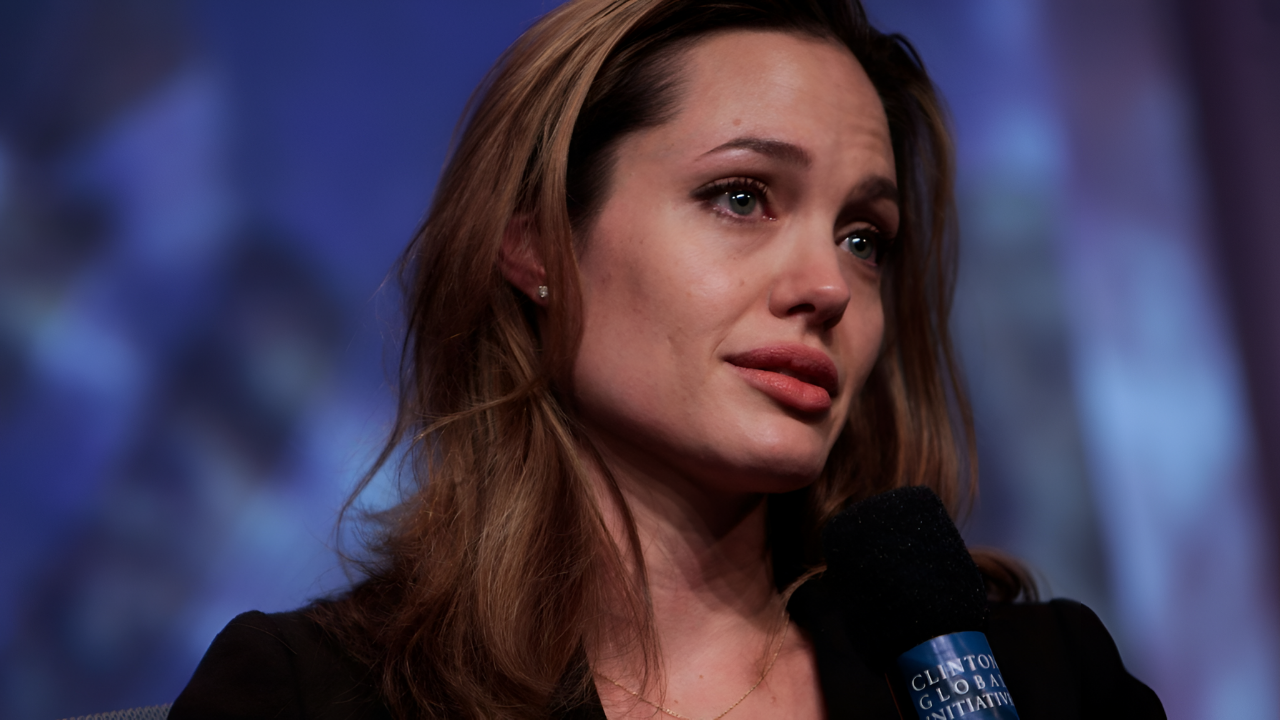
A legal bombshell just exploded in one of Hollywood’s messiest divorces. After nearly a decade of separation and more than 3 years of winery warfare, a Los Angeles judge sided decisively with Brad Pitt, ordering Angelina Jolie to surrender 22 previously hidden emails and text messages by mid-January.
These aren’t typical business communications; they’re the private strategy discussions Jolie tried to shield behind attorney-client privilege claims. The ruling, issued December 17 this year, strips away the legal protections Jolie assembled, exposing her decision-making process surrounding the controversial $67 million sale.
The Estate That Looked Like Forever

In 2008, during Angelina Jolie’s second pregnancy, the couple discovered Château Miraval, a 1,200-acre Provençal estate featuring vineyards, olive groves, and a chapel. They leased it with an option to buy, then purchased it outright by 2013 through separate companies.
Pitt’s Mondo Bongo held 60%, Jolie’s Nouvel held 40%, and Pitt transferred 10% for 1 euro. The property was valued at approximately $164 million, but the partnership had several issues.
A Rosé Launch That Shocked Everyone

On February 14, 2013, Miraval Rosé was launched in collaboration with winemaker Marc Perrin’s Famille Perrin. The first 6,000 bottles sold out in 5 hours. Wine Spectator ranked it #84 on its list of the year’s top 100, the only rosé included.
By 2021, the brand generated more than $50 million annually, and Pitt oversaw renovations exceeding $1 million. Yet Jolie would later argue his passion had shifted in tone.
The Flight That Changed Everything

On September 14, 2016, they boarded a private jet from Nice to Los Angeles with their 6 children. Jolie filed for divorce days later, citing “irreconcilable differences.” According to an FBI report later reviewed, she alleged Pitt acted violently aboard the aircraft.
She claimed he grabbed her by the head, shook her, punched the ceiling, and made threats. Pitt denied it. The FBI declined to file charges in November 2016, leaving competing narratives unresolved.
Co-Owners After Separation, Tied By Paper

After the divorce filing, they stayed co-owners through Mondo Bongo and Nouvel. By 2019, they were legally single yet still fighting over assets. Neither could sell without the other’s approval, or so Pitt believed.
In 2021, they began discussing a buyout: Pitt would purchase Jolie’s 50% stake, allowing them to sever ties. It sounded simple, so what turned talks into litigation fuel?
The NDA That Made Everything Explode
In April 2021, Pitt changed the buyout terms, demanding that Jolie sign a sweeping nondisclosure agreement, not just regarding Miraval business, but also his personal conduct. According to Jolie’s May 2024 filings, the NDA aimed to “prohibit Jolie from speaking (other than in court) about Pitt’s abuse of Jolie and their children.”
Laurent Schummer rejected it repeatedly. “The court records show Pitt proposed an even harsher version on June 2, 2021,” according to court documents. The deal collapsed, and her next move took him aback.
Jolie Chose A Rival Buyer Instead

With talks stalled, Jolie pursued a different exit. In March 2021, Luxembourg-based Stoli Group representatives contacted her about acquiring her shares. By October 2021, the transaction closed. Jolie sold her Nouvel holding company for $67 million to Tenute del Mondo, Stoli’s wine division.
Stoli is controlled by Russian billionaire Yuri Shefler, a figure Pitt’s side would later treat as an aggressive competitor. Pitt saw the sale as betrayal, not a clean separation, and he soon struck back.
Pitt Sued And Asked To Undo The Sale

In February 2022, Pitt sued in California and France, claiming Jolie had breached a verbal and written agreement that required mutual consent before any stake sale. He sought $35 million in damages and requested that the Stoli deal be voided.
“Pitt alleges Jolie sold her stake in Château Miraval to Tenute del Mondo, the wine division of the Stoli group, without his permission, despite an alleged agreement requiring mutual approval,” according to court documents obtained. Jolie denied any agreement and countersued for $250 million. Discovery would become the real battleground.
Three Countries, One Fight Over Control
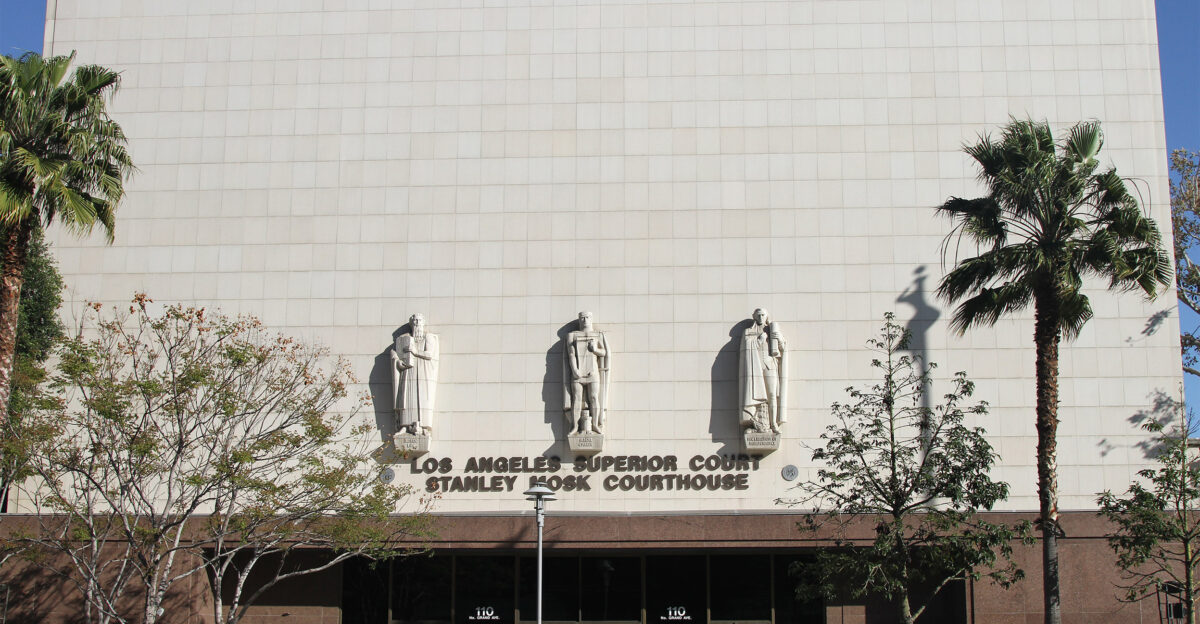
The dispute sprawled across California, France, and Luxembourg. In the Los Angeles Superior Court, Judge Lia Martin handled the core case. In March 2022, French authorities raided Château Miraval, seizing documents and IT materials at Pitt’s request.
Luxembourg courts examined the ownership structure tied to Stoli entities. By February 2024, a receiver arrangement left Pitt at 50%, Shefler at 40%, and the receiver holding 10%. Yet ownership math did not answer motive, and a discovery clash soon took center stage.
The Judge Who Could Unlock Secrets

Judge Lia Martin became crucial as the parties fought over what Jolie had to disclose. “The judge granted Pitt’s motion to compel discovery, directing Jolie, 50, to produce full versions of certain non-attorney communications that were earlier shielded under claims of privilege,” according to court documents from December 17, this year.
Jolie had logged 22 documents as privileged, involving business manager Terry Bird, aides Chloe Dalton and Arminka Helic, and financial advisers. Her team stated that these individuals were necessary for legal counsel. Pitt said they were not, and the judge leaned his way.
Why The Privilege Argument Fell Apart

Jolie argued that the communications remained privileged because aides and managers helped her understand the legal and business dimensions of the sale. Pitt’s attorneys countered that these were not lawyer-client strategy sessions but ordinary business discussions about selling to a competitor instead of him.
“Pitt’s legal team argued that the messages amounted to ordinary business communications rather than confidential legal strategy,” court filings state. They called Dalton and Helic “image consultants,” and under California law, that usually breaks privilege protection. The December 17 order would reflect that view in blunt terms.
A December 17 Order With Real Teeth

On December 17, this year, Judge Martin ordered Jolie to hand over the 22 documents in full within 45 days. “The Court orders Jolie to produce in full, within 45 days of this Order, unredacted versions of the communications exchanged between non-attorneys,” according to the court order obtained by multiple outlets.
The ruling rejected broad privilege claims and treated the messages as a business strategy. Pitt’s team believes the documents show that Jolie was aware of an alleged mutual-consent agreement and still pursued Stoli. Jolie saw it as a significant loss, and her opponent’s camp quickly sharpened its public message.
“She Has Been Disingenuous Since the Start”

A source close to Pitt’s legal team stated on December 18 of this year: “The emails would prove Jolie has been disingenuous since the start regarding her true intentions about selling her share of the business to Stoli.”
Pitt’s side argues the communications will show awareness of obligations and a deliberate breach anyway. They also claim the sale aimed to harm Pitt and empower “an aggressive third-party competitor.” The key question is whether the texts and emails actually say that, and the deadline makes the wait short.
Jolie’s Team Says The Fight Isn’t Over

Jolie’s attorney, Paul Murphy, responded with a statement after the ruling: “We’re disappointed by the court’s interpretation of California’s privilege law. The court’s ruling violates that law, undermines Ms. Jolie’s fundamental right to a fair trial, and represents yet another manifestation of Mr. Pitt’s years-long effort to harass and control her. We will appeal,” according to reporting from December 19, this year.
Murphy cast the dispute as part of alleged controlling behavior, rather than a purely business case. If an appeal succeeds, discovery could shift again, but what exactly is inside the 22 documents?
What’s Reportedly In The 22 Messages

The 22 documents include communications between Jolie and business manager Terry Bird about handling negotiations. They also reportedly include messages with aides about drafting attorney-client communications with lawyer Laurent Schummer on the transaction’s legal implications.
Jolie claimed the material had “sentence-by-sentence redactions” removing “attorney mental impressions, conclusions, or observations,” according to court filings. Financial adviser discussions with Marjorie Brabet-Friel and James Friel are also included. Pitt believes the full versions outline a timeline of knowing, exploring options, and choosing Stoli anyway. The looming trial date adds pressure to every page.
The Bankruptcy Twist That Raised Eyebrows

A new complication hit when Stoli Group filed for Chapter 11 in federal court in Texas on November 27, last year. The company listed more than $100 million in assets and between $50 million and $100 million in liabilities.
CEO Chris Caldwell said the filing followed “a malicious cyber attack” that forced operations to run “entirely manually while the systems are rebuilt.” The bankruptcy prompts uncomfortable questions: Is the buyer of Jolie’s former stake financially stable, and could court oversight affect Miraval’s control or deal fallout?
Divorce Settled, But Not The Winery War

On December 31, last year, Pitt and Jolie reached a divorce settlement, more than 8 years after the separation filing. Court documents show they agreed there would be no future spousal support owed by either party.
However, the settlement did not resolve the Miraval litigation, meaning that Judge Martin’s discovery order still governs the business dispute. The split between personal closure and corporate conflict is striking, and it leaves the winery case as the last major tie between them. The children, however, remain part of the story in ways neither lawsuit can fully contain.
Their 6 Children Still Feel The Fallout

They share 6 children: Maddox, 22, Pax, 20, Zahara, 19, Shiloh, 18, and twins Knox and Vivienne, 16. In 2024, Shiloh, then 18, legally changed her name from Shiloh Jolie-Pitt to Shiloh Jolie, dropping Pitt’s surname.
The name change occurred as the winery’s fight continued, highlighting how family tensions and legal disputes often overlap. Custody battles and the 2016 plane allegations have surfaced repeatedly. Jolie’s team says she focuses on protecting the children, while Pitt’s side argues family matters have been used as leverage. The case clock keeps running.
The Long Wait Before A Jury Hears It

The Miraval lawsuit is not close to trial. Proceedings are scheduled to begin February 1, 2027, more than 13 months away. Before that, mediation is set for October 28, 2026.
That means more than 5 years will pass between Pitt’s February 2022 filing and a possible courtroom verdict. Their 2-year marriage will have been eclipsed by post-divorce litigation time. Some observers attribute the delay to complex ownership structures and aggressive lawyering, but will discovery disclosures force earlier settlements or harden positions?
A Warning Shot For Celebrity Business Partners

Judge Martin’s order signals that courts will not automatically treat business communications as privileged just because lawyers are part of the wider advisory circle. Strategy and deal planning can become discoverable, even when legal advice is also involved.
For high-net-worth couples in joint ventures, the dispute is a cautionary tale: clear written agreements on transfer restrictions, voting rights, and dispute resolution can prevent years of litigation. The core fight here remains whether any enforceable mutual-consent agreement existed. And the unredacted texts may become the most expensive paper trail in celebrity business history.
The Core Question Still Has No Answer

As Jolie prepares to produce the 22 documents by mid-January, the central dispute remains unchanged: Did they have a binding agreement preventing either from selling Miraval without mutual approval? Pitt says yes, Jolie says no.
The unredacted emails and texts could clarify intent, confirm obligations, or further complicate the narrative. What is certain is that once these communications enter the record, they will reveal how celebrity partners negotiate, strategize, and unwind shared empires after personal collapse. Whether they support Pitt’s breach claims or Jolie’s argument for independence may reshape the case long before February 1, 2027.
Sources
Motion to Compel Discovery Order. Los Angeles Superior Court, December 17, 2025
Plaintiff’s Second Amended Complaint, Brad Pitt v. Angelina Jolie, California Superior Court, June 21, 2023
Report on September 14, 2016 incident investigation. Federal Bureau of Investigation, November 2016
Decision on Quimicum shareholding and receiver appointment. Luxembourg Court, February 2024
Chapter 11 Bankruptcy Petition, Stoli Group USA LLC. United States Bankruptcy Court Northern District of Texas, November 27, 2024