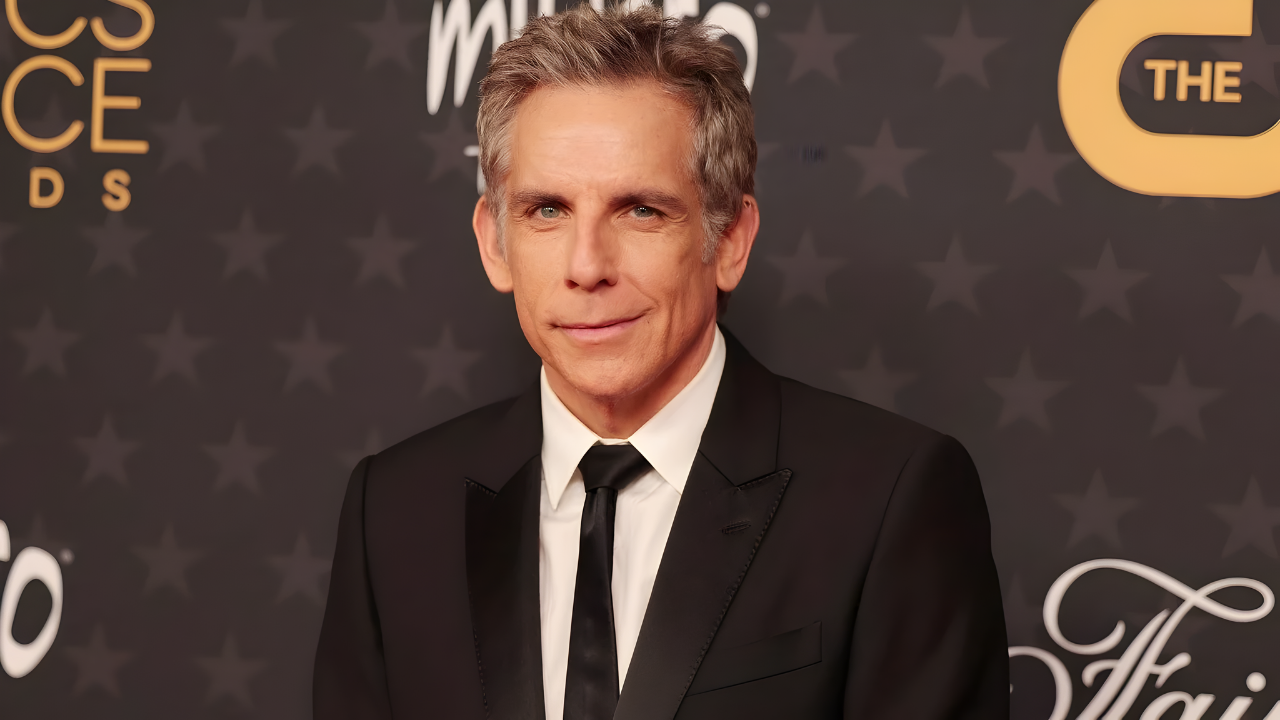
Ben Stiller’s attempt to defend Somali immigrants from Donald Trump’s harsh rhetoric has ignited a broader clash over celebrity activism, immigration, and a large-scale fraud scandal in Minnesota’s Somali community.
Hollywood Support Meets Online Backlash
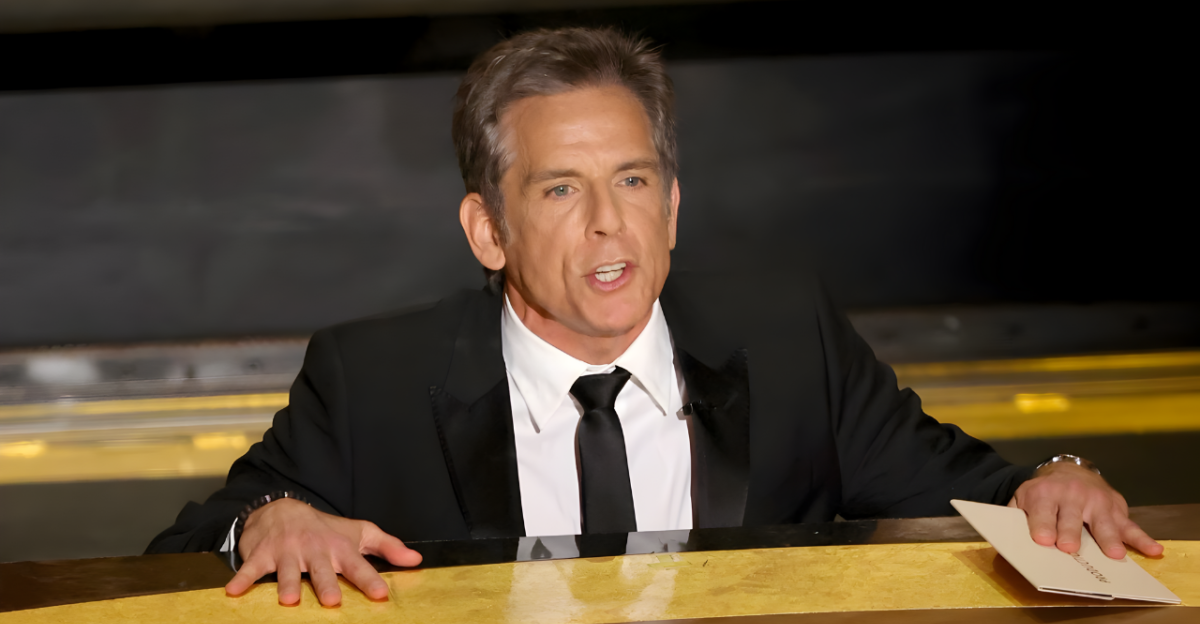
Stiller, the actor and filmmaker, entered the debate after Trump denounced Somali immigrants during a cabinet meeting, sparking criticism across the political spectrum. When Stiller posted a message of support for Somalis on X, it was intended as a show of solidarity. Instead, it was quickly met with derision from critics who accused him of insulated moralizing from behind security gates and private guards.
Many replies argued that Stiller’s life in protected, affluent neighborhoods insulated him from the consequences of immigration and fraud controversies. Detractors urged him to “open his home” to the people he defended, framing his statement as a distant moral lecture that ignored pressures on public systems and working-class communities.
Trump’s Remarks and Minnesota Allegations
The latest dispute began with Trump’s comments at a cabinet meeting, where he directed a blistering attack at the Somali community in Minnesota. He reportedly called Somalis “garbage,” declared they “contribute nothing,” and said, “I don’t want them in our country,” extending the insult to Representative Ilhan Omar. His language drew immediate condemnation as dehumanizing, but it also resonated with those already angered by reports of fraud in Minnesota’s Somali diaspora.
Over the past five years, investigations have uncovered patterns of alleged fraud involving welfare, housing assistance, and pandemic-related relief programs. Federal prosecutors have identified more than $1 billion in fraudulent charges across these schemes, with convictions totaling nearly 60 defendants. That figure represents documented losses across multiple federal programs, according to the U.S. Attorney’s Office for Minnesota and federal prosecutors.
Fraud investigations have focused on companies accused of billing state agencies for social services that were never delivered. According to a November 29, 2025 report in the New York Times, “fraud took root in pockets of Minnesota’s Somali diaspora,” with “scores of individuals” making “small fortunes” off payments for nonexistent services. Such findings have angered taxpayers and placed Minnesota at the center of a national fight over immigration, oversight, and public benefits.
Stiller’s Message and Its Critics
Responding directly to Trump’s remarks, Stiller posted on X: “Somalis are not garbage. Immigrants and refugees from anywhere are people like you and me. They should not be demonized. This country is built on the backs of people who have come from other places. It’s what our country is all about.”
His message emphasized the traditional “nation of immigrants” vision, arguing that newcomers are integral to American identity and should not be collectively maligned. The post did not mention the fraud investigations or the Minnesota cases, focusing instead on rejecting blanket condemnation and defending the humanity of immigrants and refugees.
Critics seized on this omission. They argued that by ignoring recent revelations about organized theft of program funds, Stiller appeared to minimize what they viewed as legitimate grievances about systemic abuse of taxpayers. Commenters portrayed his stance as “performative compassion,” asserting that he could affirm moral ideals without ever feeling the local strain on schools, housing, or social services.
Cultural Explanations and Media Recognition
The controversy is layered atop complex social and cultural dynamics inside Minnesota’s Somali community. Macalester College professor Ahmed Samatar, himself Somali-born, has described how many refugees fled a civil war and a failed state where skimming from corrupt authorities became a basic survival tactic. In that context, siphoning resources from an impersonal state apparatus was often seen less as a crime than as a means of endurance.
Applied to the Minnesota scandals, this perspective suggests that the fraud uncovered among “scores” of perpetrators may have roots in norms formed under a collapsed government, rather than being isolated acts of opportunism. That interpretation complicates simple narratives on both sides: it challenges portrayals of the community as either purely victimized or uniformly law-abiding, while also questioning blanket stigmatization.
Even outlets often criticized by Trump have underscored the scale of the problem. The New York Times reported that numerous individuals created companies to bill Minnesota for “millions of dollars’ worth of social services that were never provided.” That acknowledgment has been used by Stiller’s opponents to argue that concerns over fraud are not confined to partisan media and that celebrity commentary must grapple with these facts.
Politics, Celebrity, and a Deepening Divide
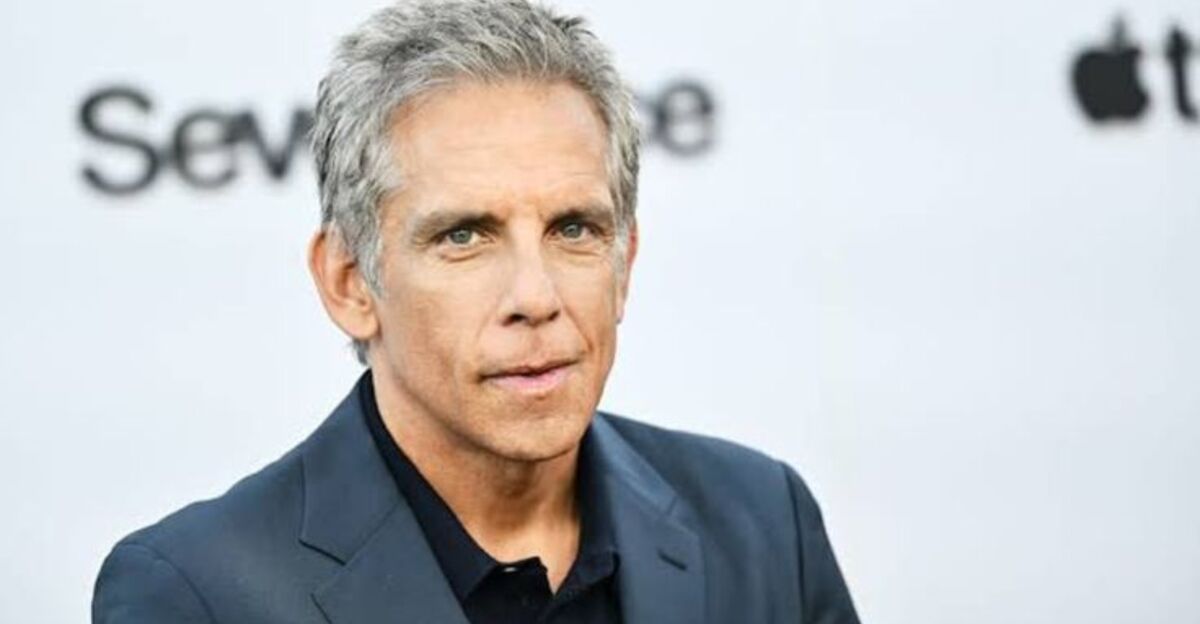
Online, the exchange hardened into a familiar divide: backers of Stiller’s post framed it as a necessary stand against dehumanizing language, while opponents cited fraud figures and academic context to argue that immigration debates must reckon with imported corruption and the strain on public systems. Many replies framed the dispute as a confrontation between “elite” perspectives and everyday realities.
The political consequences extend beyond social media. Trump’s administration has signaled that it plans to intensify deportations, with particular attention to fraud cases linked to the Minnesota network. At the state level, Governor Tim Walz faces questions about why these schemes proliferated under his watch and how oversight failed as federal prosecutors pursued investigations into massive diversions of safety net program funds.
For Stiller, the episode fits into a longer history of public advocacy on behalf of refugees and displaced people. Supporters see consistency in his refusal to accept blanket condemnation. Critics view this latest intervention as his most significant misstep, arguing that he spoke at the very moment when major reporting and federal filings had laid bare a far-reaching pattern of theft.
As investigations proceed and authorities pursue fraud rings and possible deportations, the clash over Stiller’s comments underscores a broader tension: whether high-profile figures from insulated circles can effectively engage in debates shaped by local crime, cultural legacies, and strained public resources. The incident may serve as a case study in how celebrity voices can amplify moral arguments but also risk intensifying polarization when they overlook the underlying facts that many residents consider central to the story.
Sources
Western Journal archives
New York Times Nov 2025 fraud report
Macalester College academic notes
Ben Stiller X account
DOJ Minnesota fraud filings