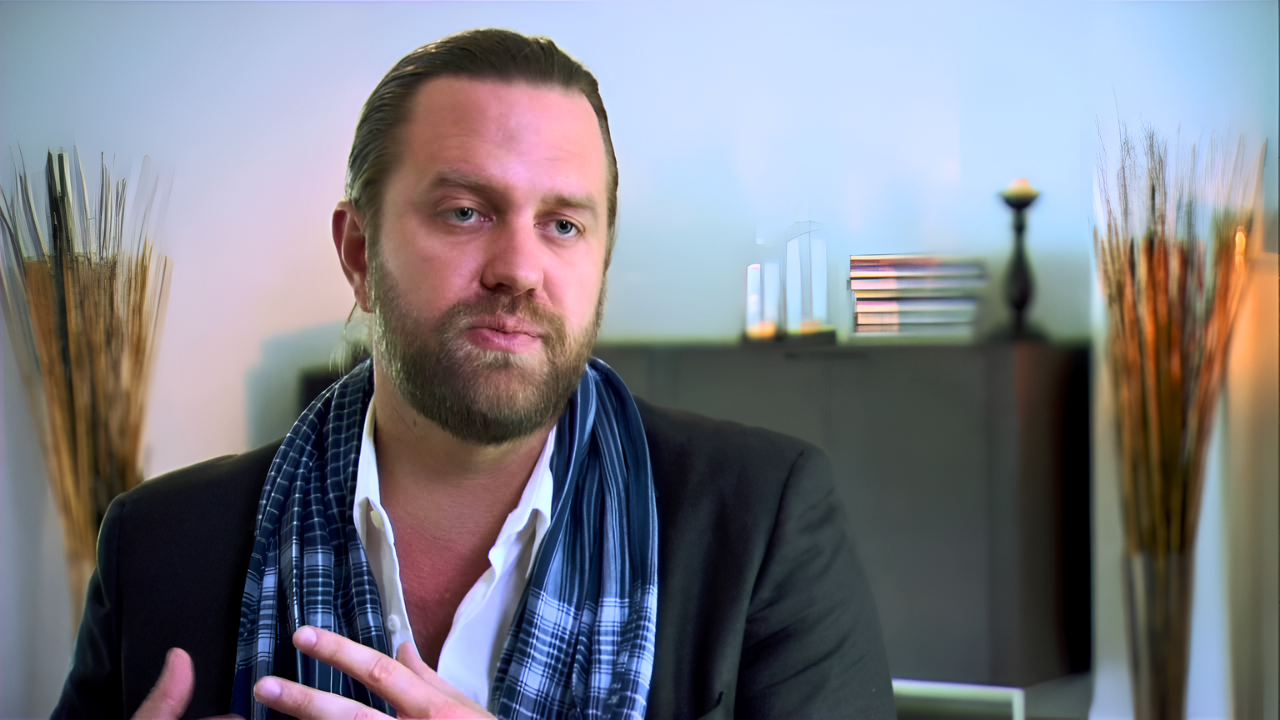
The sci-fi series that never made it to air has become the centerpiece of a federal courtroom drama. Filmmaker Carl Erik Rinsch, once backed by Netflix and championed early in his career by Keanu Reeves, is now on trial in Manhattan, accused of taking $11 million in production money from the streaming company and spending it on luxury cars, ultra-expensive mattresses, and speculative investments. No episodes of the show, originally titled “White Horse” and later “Conquest,” were ever delivered, and prosecutors say the case exposes deep vulnerabilities in how streaming platforms finance ambitious projects.
Behind the Netflix Deal
In 2018, Netflix outbid rivals including Amazon, HBO, and Apple to secure “White Horse,” a dystopian sci-fi series co-created with Reeves as an early investor and mentor. The company agreed to pay $61.2 million for the rights and gave Rinsch an unusual level of creative control, including final cut approval.
Between 2018 and 2019, Netflix put about $44 million into the project as production moved through locations in Brazil, Uruguay, and Hungary. By early 2020, the series had stalled, and in March that year, Netflix wired an additional $11 million intended to rescue the troubled show and move it toward completion.
According to prosecutors, instead of deploying that money to pay crews and advance production, Rinsch transferred the funds to his personal brokerage account. More than half was lost in risky stock trades. The rest went into cryptocurrency, which reportedly produced gains of roughly $10 million that Rinsch then used to finance personal spending.
How the Money Was Spent
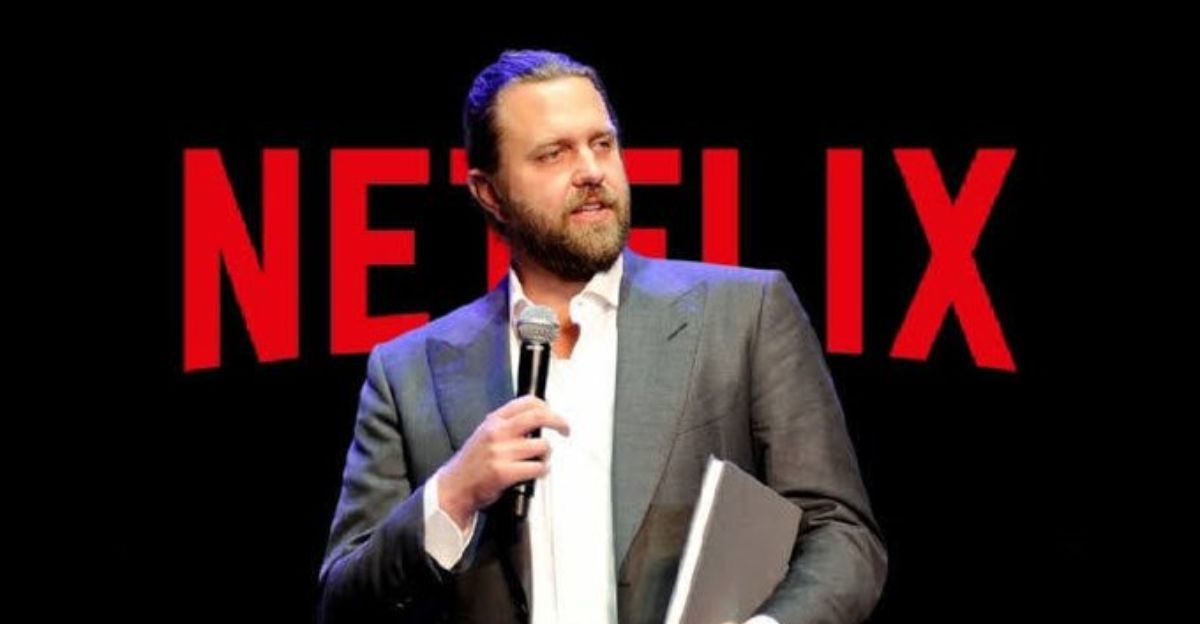
The indictment outlines a spending pattern that prosecutors say has little to do with making television. They allege that Rinsch bought five Rolls-Royces and a Ferrari, later describing the vehicles as props for the series. He also ordered two mattresses costing a combined $638,000, along with luxury watches, designer clothing, and high-end rentals.
Prosecutors contend that these outlays were funded by the Netflix transfer and the subsequent crypto profits, not by Rinsch’s own earnings. In addition to conspicuous purchases, the government says he used the gains to pay off credit card balances and to hire divorce lawyers, suggesting that production funds were diverted to cover private financial pressures.
Rinsch’s legal team counters that many of the expenditures were legitimate production costs or otherwise tied to the show’s creative vision. They argue that the series was ultimately derailed by the COVID-19 pandemic and by Netflix’s decision to abandon the project, not by criminal conduct.
Inside the Courtroom

The case is being heard in U.S. District Court in Manhattan before Judge Jed Rakoff and is expected to last about two weeks. Rinsch faces charges of wire fraud, money laundering, and five counts of engaging in unlawful monetary transactions. In total, the counts carry a theoretical maximum sentence of 90 years in prison: up to 20 years each for wire fraud and money laundering, and up to 10 years on each monetary transactions charge.
Jurors will see raw footage from “White Horse” for the first time, offering a rare glimpse of the unfinished dystopian, AI-themed world that Netflix once hoped would anchor a major new franchise. Rinsch’s ex-wife, producer Gabriela Rosés Bentancor, is expected to testify about what prosecutors describe as misleading production updates sent to Netflix executives—testimony that could illuminate how concerns were handled internally as the project faltered.
Rinsch’s attorneys, led by Daniel McGuinness, have not raised an insanity defense but say his mental health deteriorated sharply around the time of the disputed $11 million transfer. They point to Netflix executives’ own notes that his condition had “drastically decompensated,” arguing that his state of mind is central to understanding his decisions and the project’s collapse. Rinsch, described in court filings as currently indigent and unemployed, has rejected plea discussions and maintains his innocence through counsel.
Repercussions for Netflix and the Industry
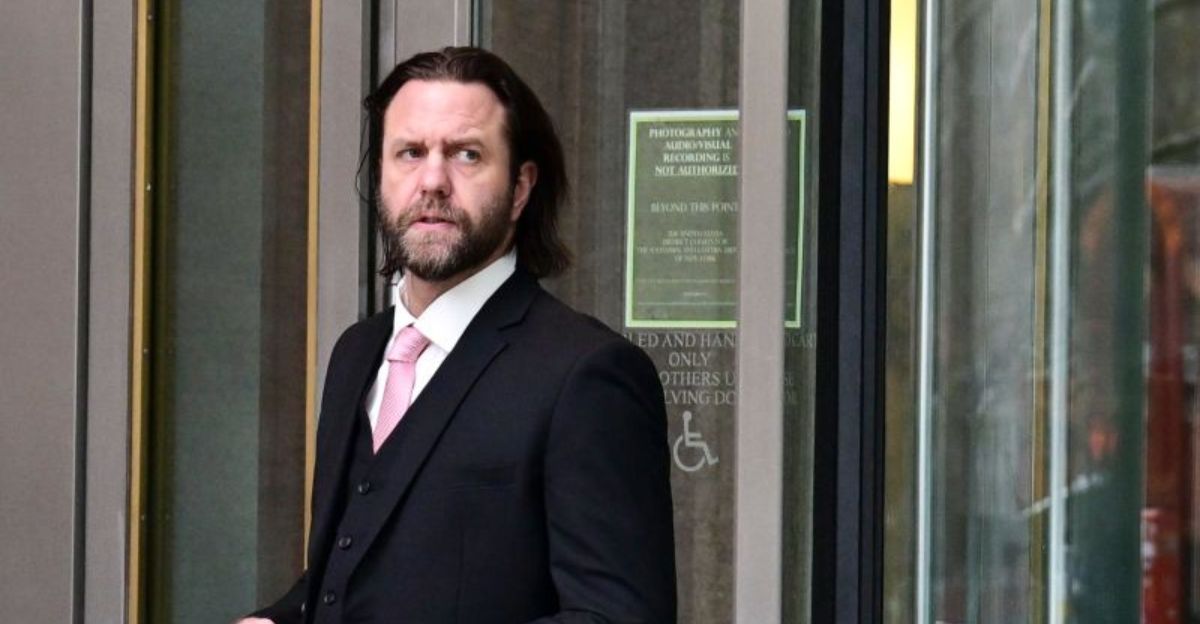
Netflix has already prevailed in a civil arbitration against Rinsch, winning an $11.8 million award, but the company is now under pressure to explain how such a large sum could be transferred with limited apparent control over its use. Former executives including Cindy Holland, Peter Friedlander, Rochelle Gerson, and Bryan Noon, who were involved in shepherding the series, are expected to testify, and their accounts may influence how the company structures oversight of independent creators.
The loss is not only financial. Netflix invested approximately $55 million on a project that never reached subscribers, raising questions among viewers about how subscription fees are deployed and why such a highly touted 13-episode first season never appeared. The case has added to wider calls from subscribers for greater transparency around project selection, spending, and delivery.
Other streaming platforms, which once competed intensely for “White Horse,” have taken note. After losing the bidding war, companies such as Amazon and HBO have reportedly shifted emphasis toward established creators, known franchises, and projects with clearer track records, dialing back on some high-risk ventures centered on a single auteur. The public unraveling of “White Horse” has cooled enthusiasm for large, experimental sci-fi undertakings without robust checks.
The abandoned production also had consequences abroad. Work in Brazil, Uruguay, and Hungary stalled as funding dried up, disrupting local crews, suppliers, and service companies that had geared up for a major international shoot. The case underscores how decisions at a single U.S.-based platform can affect jobs and partnerships across multiple countries when large-budget projects go wrong.
Looking Ahead
Beyond its immediate legal stakes, the Rinsch trial is being watched as a test of how far prosecutors and courts will go in policing the boundary between artistic risk and alleged financial misconduct in entertainment. The $55 million that evaporated on “White Horse” might, in another scenario, have financed several smaller productions and supported more stable employment across the industry.
Studios and investors are already tightening controls, demanding clearer accounting, and reassessing projects that rely heavily on one visionary figure. For streaming platforms under pressure to deliver distinctive programming while maintaining profitability, the outcome of this case may accelerate efforts to balance creative freedom with more rigorous financial oversight, in hopes of preventing future projects from following the same path.
Sources:
U.S. Attorney’s Office, Southern District of New York Federal Indictment (March 2025); Federal Court Records, Manhattan
Variety, Rolling Stone, Deadline Entertainment News Archive (March 2025 Indictment Coverage)
Business Insider, Fortune, Yahoo News Reporting (December 2025 Trial Coverage)