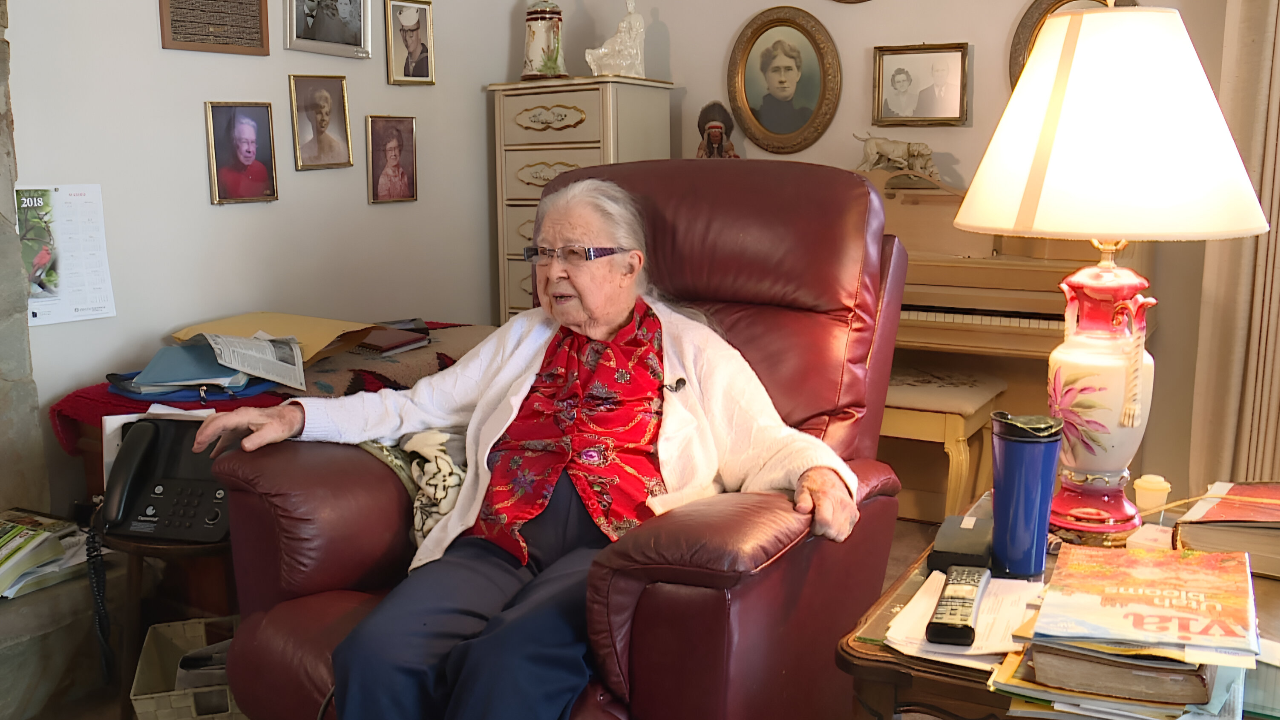
Your living room has always told a story, long before anyone knew how to read it. For millions of Americans raised between the 1980s and early 2000s, that space quietly recorded family finances, priorities, and survival strategies. Objects were chosen carefully, protected fiercely, and kept far longer than trends allowed. These rooms were not styled. They were built to last. Here is what those living rooms were really saying. Let’s look closer.
The Era That Quietly Defined Homes
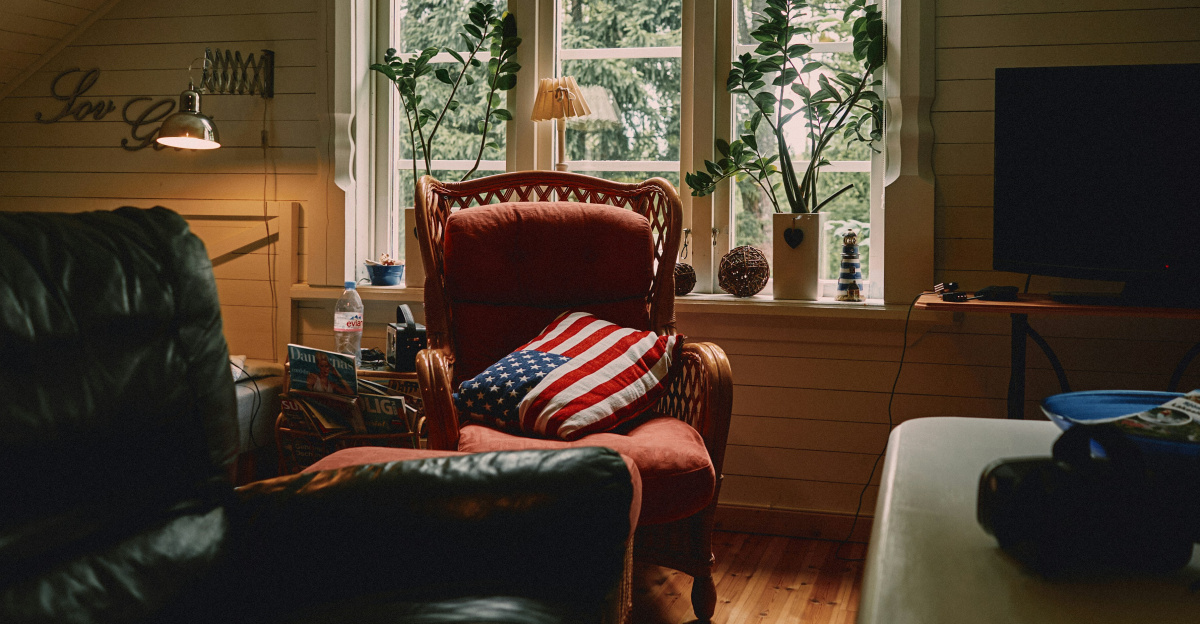
From the 1980s through the early 2000s, American living rooms reflected economic restraint, not design ambition. Furniture purchases were rare and intentional. A $2,000 to $5,000 couch had to survive decades. Wall to wall carpeting costing $3,000 to $11,000 stayed in place for 15 to 25 years. Durability outweighed trends. These choices shaped every object placed inside, revealing priorities that still echo today.
Why Living Rooms Reveal Class Identity
Sociologists and designers agree the living room functions as a public performance space. Unlike bedrooms or kitchens, it reflects what families want others to see. For lower middle class households, this meant protection, presentation, and restraint. Untouched furniture, displayed collections, and strict usage rules were deliberate strategies. These were not decorating mistakes. They were financial decisions made visible. That intent becomes clearer when examining how rooms were furnished.
Buying Furniture One Piece At A Time
Affluent families often purchased matching furniture sets at once. Lower middle class families rarely could. Living rooms were assembled gradually. A couch one year, a chair several years later, a table when money allowed. Pieces rarely matched but shared durability. Each item marked a financial milestone. By the 1990s, this incremental approach defined a recognizable aesthetic. That pattern helps explain what appeared most prominently in these homes.
Protection Was Always The Priority
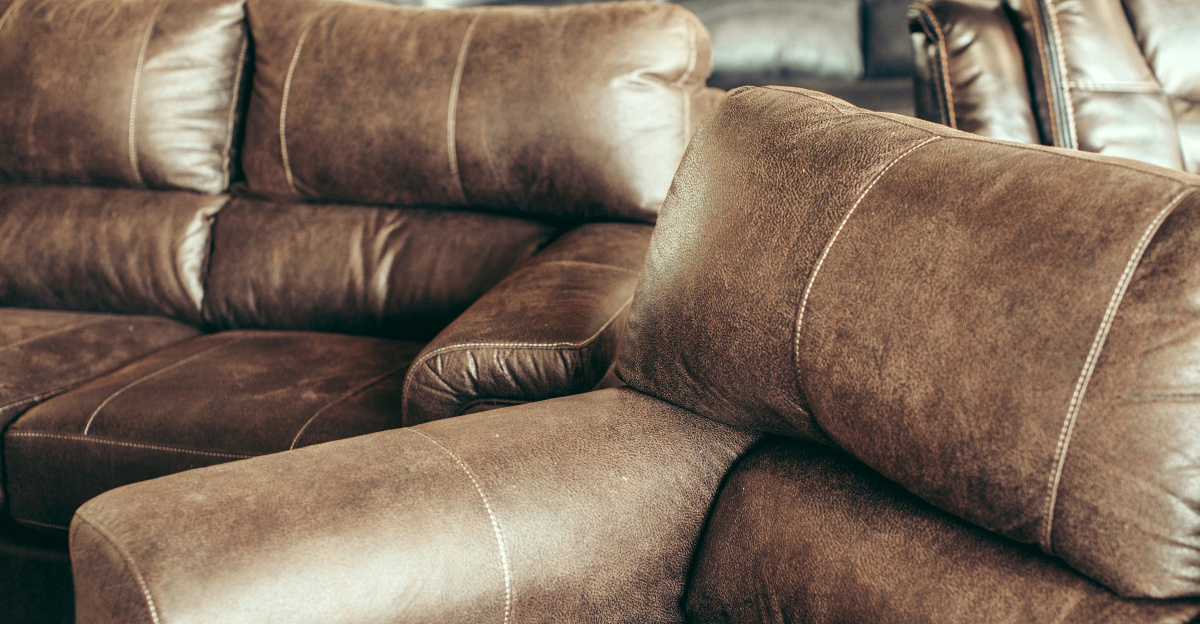
Every design choice served preservation. Formal living rooms existed to protect investments, not impress guests. Carpets carried rules. Furniture carried covers. Displayed items stayed untouched. Longevity mattered more than appearance. A quilt requiring hundreds of hours held greater value than store bought decor. These rooms were managed carefully because replacement was impossible. Understanding this mindset reframes everything that follows, starting with the objects that dominated the space.
Eight Living Room Clues That Told Everything
Across decades, the same objects appeared again and again in lower middle class living rooms. Each one reflected a specific economic reality and cultural moment. Some filled entire walls. Others sat quietly behind glass. Together, these 8 clues created a shared American experience. Their order matters because it mirrors how families invested their money. The first clue usually took up the most space.
1. The Entertainment Center
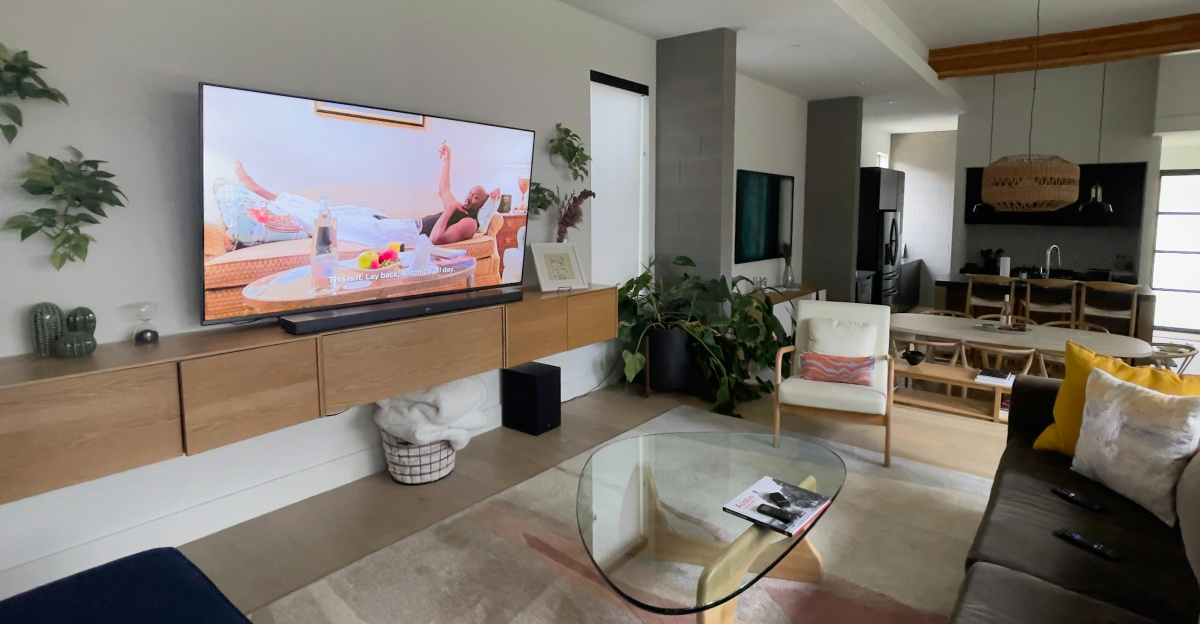
Massive wooden entertainment centers dominated 1990s living rooms. Often 7 to 8 feet wide and 6 feet tall, they housed CRT televisions, VCRs, stereos, and movie collections. This single unit served every entertainment need before streaming existed. For lower middle class families, it was a major purchase expected to last 15 or more years. Why did one object need to do everything?
2. The Carpet That Stayed For Decades
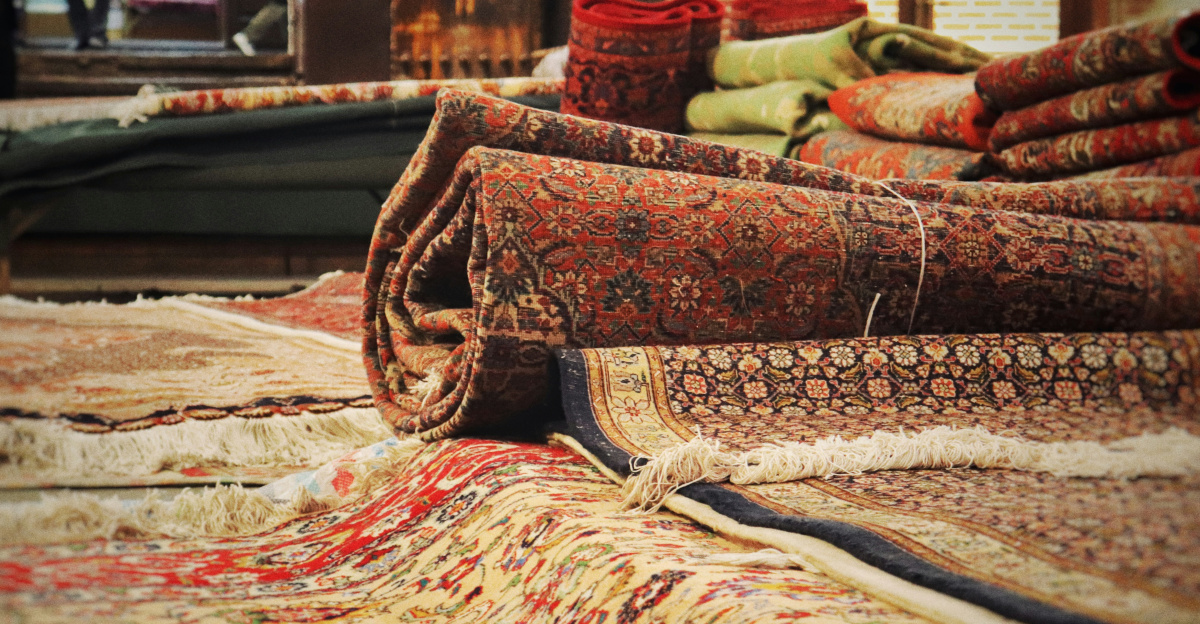
Replacing wall to wall carpeting cost $3,000 to $11,000, so families chose once and lived with it for decades. Living room carpet stayed 15 to 25 years, sometimes longer. Strict rules followed. No shoes. No food. Plastic runners protected paths. That carpet recorded holidays, arguments, and graduations. By year 20, it became family history. What other items carried similar symbolic weight?
3. Sears And JCPenney Portrait Walls
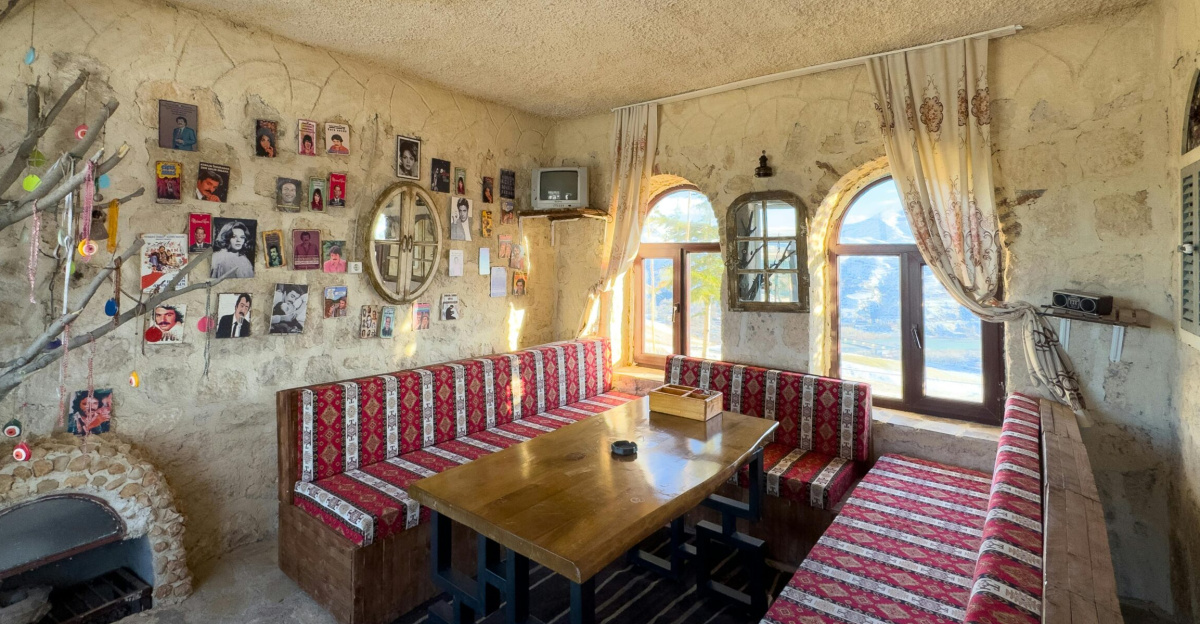
Family portraits taken at Sears or JCPenney studios appeared in countless living rooms during the late 1990s. Packages priced around $39.99 made professional photography accessible. Families dressed in coordinated outfits and posed against studio backdrops. These images represented permanence and pride. They marked time intentionally. Hanging them publicly mattered. These portraits were not decoration alone. They documented belonging. What other choices reflected careful presentation?
4. Mismatched Or Hand-Me-Down Furniture
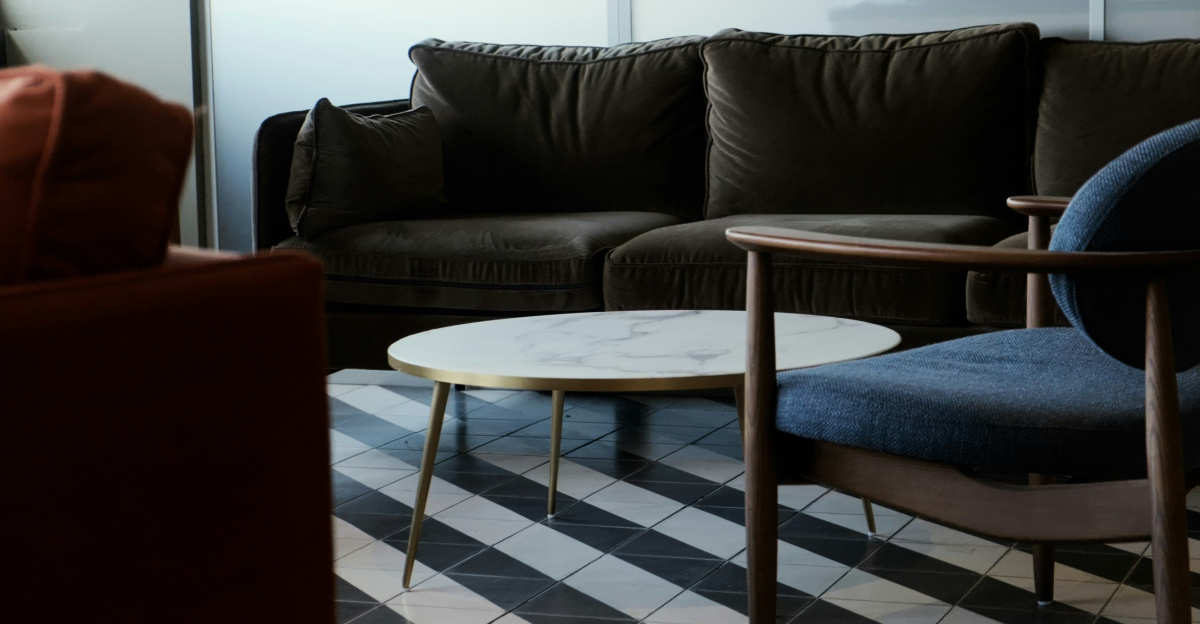
Lower middle class living rooms rarely matched because purchases happened years apart. A couch from 1995 sat beside a table from 2001 and a chair inherited decades earlier. Each piece told when money was available. Longevity connected them. What designers later called eclectic began as necessity. By the early 2000s, this look defined home for millions. It felt normal. But what space remained untouched entirely?
5. The Room Nobody Was Allowed To Use
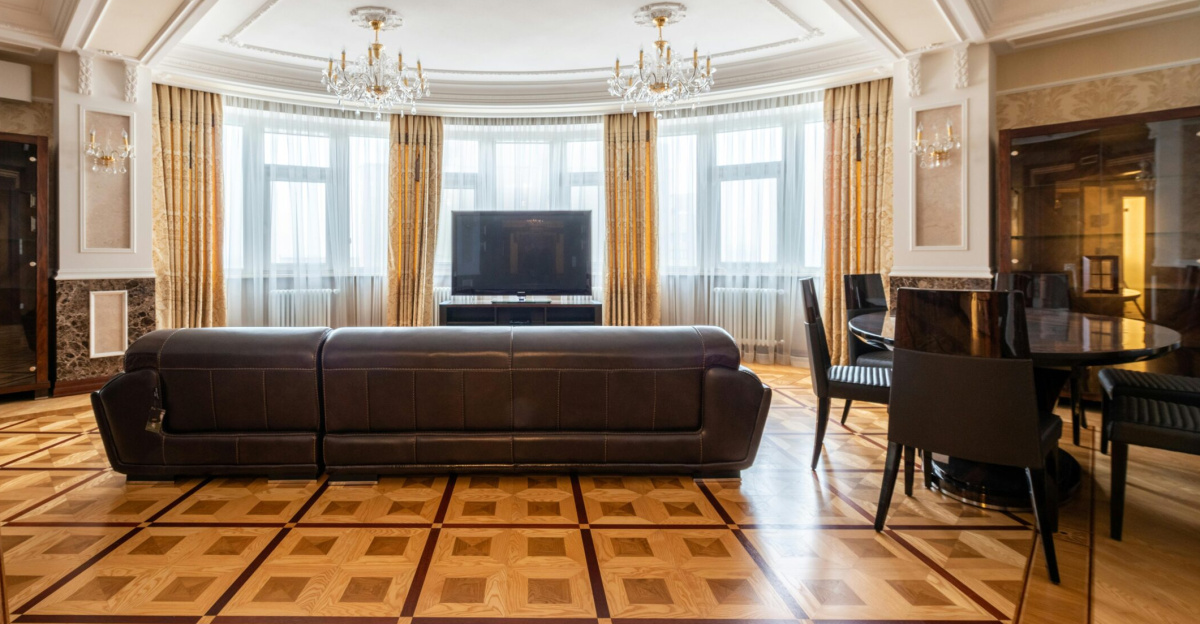
Many homes featured a formal living room preserved for holidays. Furniture stayed pristine. Plastic covers protected cushions. Children were discouraged from sitting. This room existed to safeguard a major purchase that took years to afford. It signaled achievement while limiting risk. Owning something nice mattered more than using it. That contradiction defined lower middle class security. But preservation did not stop with furniture. What filled the shelves?
6. Ceramic Villages And Figurine Displays

Ceramic Christmas villages and figurines filled shelves year round in many living rooms. Individual pieces came from department stores, craft fairs, or yard sales. Over time, collections reached 40 or more items. Each purchase added sentimental value. The display represented hundreds of dollars accumulated slowly. These collections became personal galleries. They showed taste, patience, and pride. What objects were protected most carefully of all?
7. Cabinets Filled With Untouched Treasures
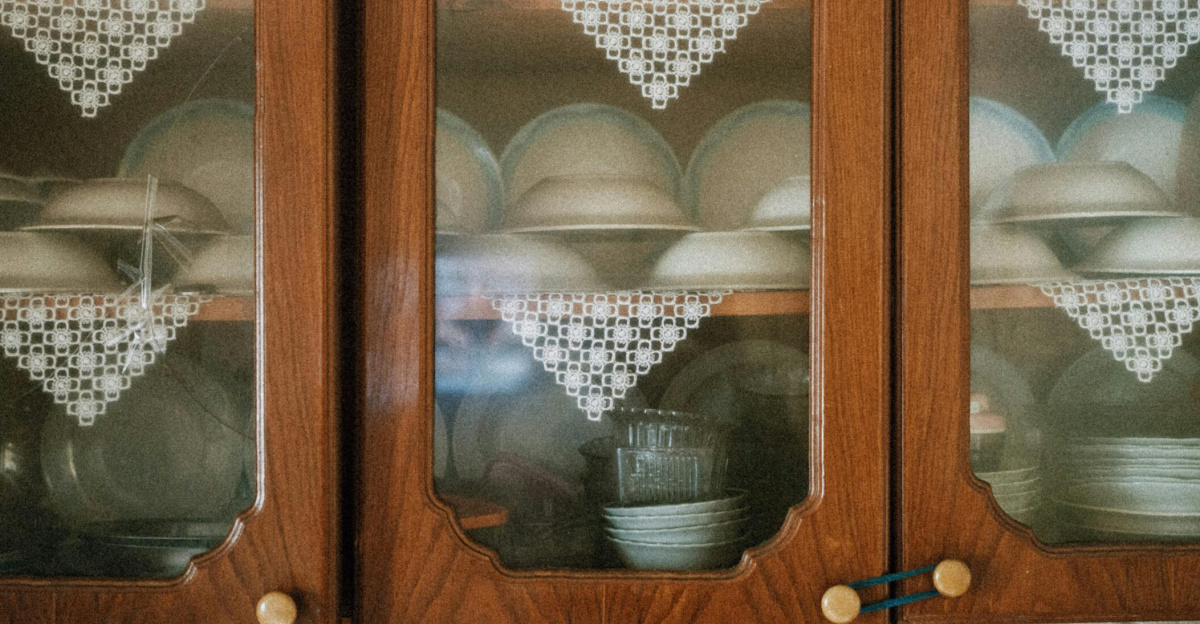
Glass display cabinets held fine china, decorative glass, inherited silverware, and souvenir plates. These items were too valuable to use daily yet too meaningful to hide. The cabinet protected them while signaling success. It quietly announced achievement without risk. This balance defined lower middle class home management. Acquiring nice things required sacrifice. Preserving them required restraint. Organization played a role too. How media collections were handled mattered.
8. Alphabetized Movie Collections

Before streaming, owning movies was expensive. VHS tapes and DVDs cost $15 to $30 each. A collection of 200 titles represented $3,000 to $5,000 or more invested over years. Alphabetizing transformed consumption into curation. Shelves inside entertainment centers became libraries. Visitors saw order and intention. These collections reflected control, taste, and commitment. What did all these items reveal when viewed together?
Values Hidden In Plain Sight
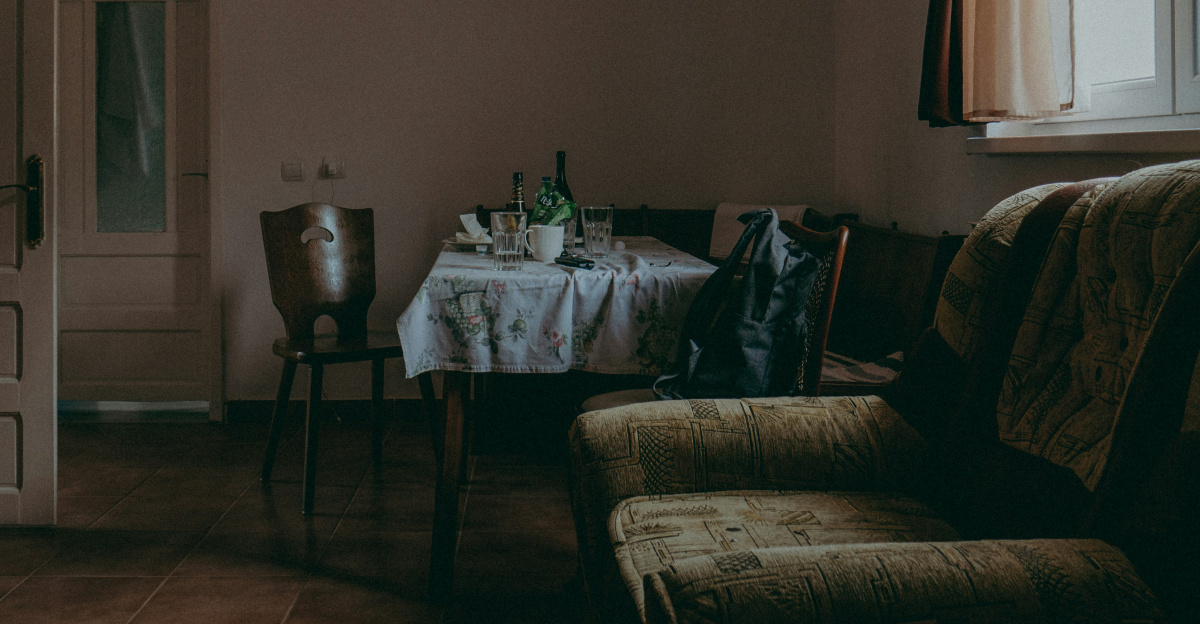
These 8 clues reveal a value system built on durability, meaning, and protection. Trends mattered less than longevity. Homemade items carried emotional weight. Furniture had to last decades. Investments were guarded carefully. These living rooms were not careless or outdated. They were deliberate. Understanding this reframes how these spaces should be judged. The meaning becomes even clearer when viewed across generations.
A Generational Reinterpretation Today
Adults raised in these homes now view them differently. Carpet kept for 23 years reflects strategy, not neglect. Mismatched furniture marks progress, not failure. Ceramic collections become personal museums. This shift replaces embarrassment with recognition. Millions now understand their childhood homes as records of resilience. Cultural perception is changing. These living rooms are no longer punchlines. They are evidence. But why does recognition feel comforting?
The Power Of Shared Memory

Recognizing these details triggers powerful memory. The carpet texture. The light hitting the entertainment center. The rule about food in the living room. Pride lived alongside caution. Parents protected what they worked years to afford. Seeing these patterns repeated across homes creates connection. It validates experience. The living room becomes a shared language. That realization changes how this era is remembered.
Why These Choices Matter Now
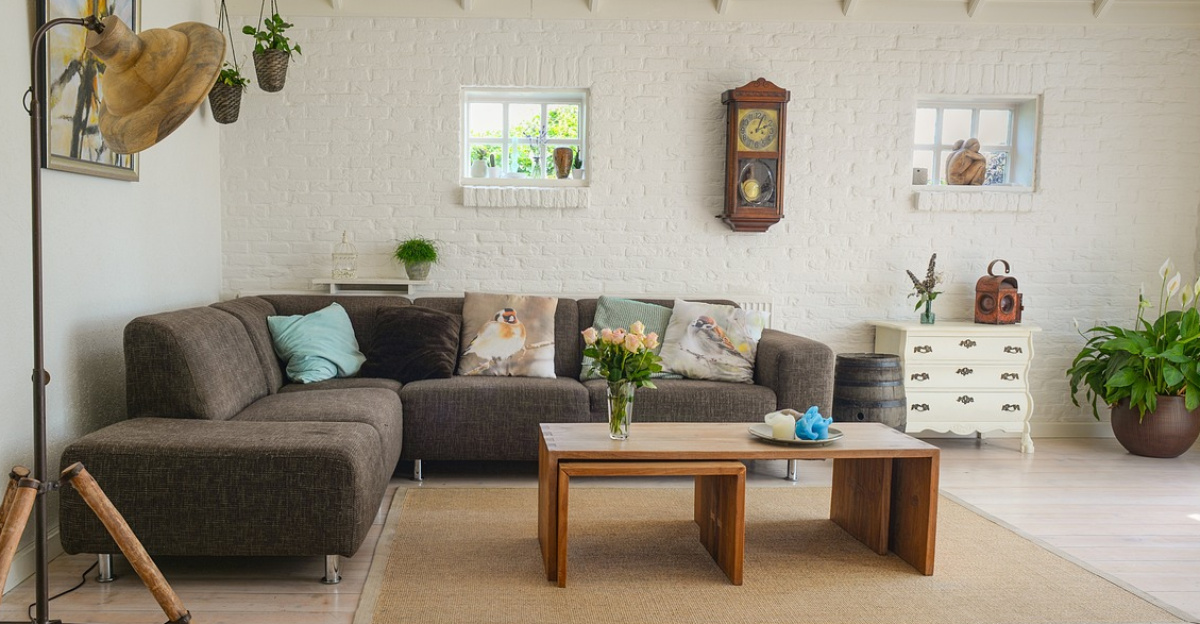
The 1980s and 1990s living room reflected resistance to disposability. Furniture was built to last. Objects were kept, repaired, and respected. Today, fast furniture dominates. Younger generations increasingly seek vintage pieces from this era for durability and craftsmanship. What once signaled constraint now signals intention. These rooms offer an alternative model. Their lessons remain relevant as values shift again.
The Living Room As Family Archive

Every object in a living room records a decision. What to buy. What to protect. What to display. Lower middle class homes documented real tradeoffs and priorities. These spaces deserve respect, not revision. They represent families navigating limits with care. Understanding this reframes childhood memories. That living room was not lacking. It was full of intention. And that brings the story to its end.
What Your Living Room Was Really Saying
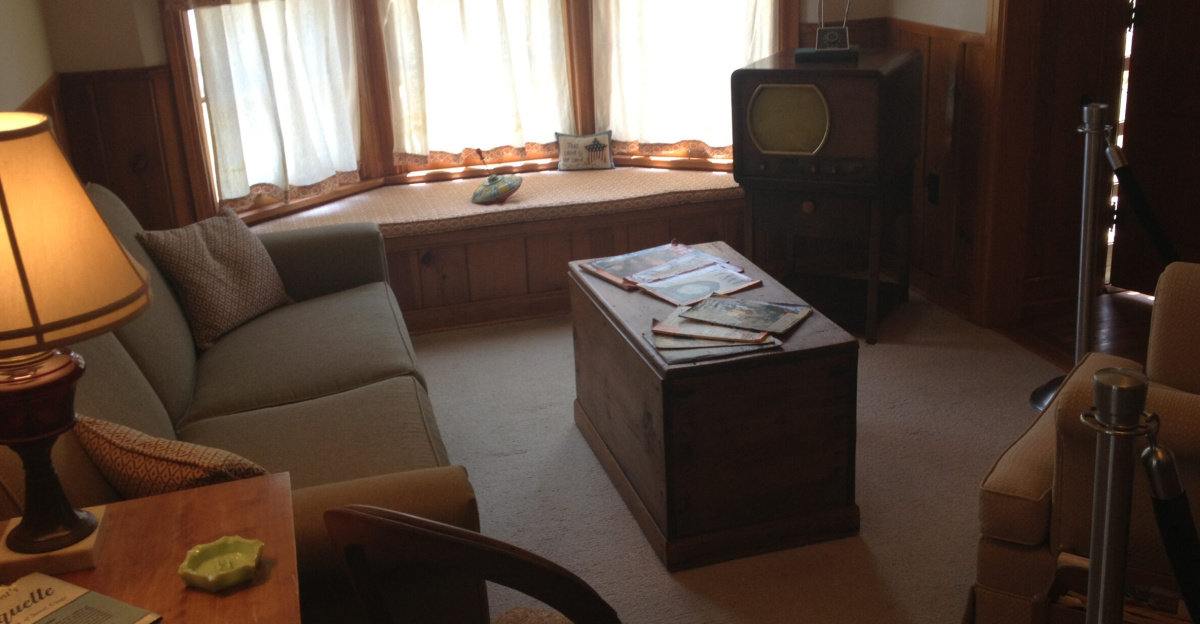
Your childhood living room told a story of careful planning, protection, and love. Furniture lasted because it had to. Objects were displayed because they mattered. Rules existed because replacement was impossible. These rooms reflected strength, not scarcity. The next time you enter a living room, read it closely. It is speaking. For many, it always has been.
Sources:
“Sofa Lifespan: How Long Should a Good Couch Last?” Stay Home Body, July 2024.
“90s Living Rooms: A Nostalgic Look Back At Interior Trends.” Spry Interior, March 2025.
“The Furniture Gap: Solving A Hidden Crisis For American Families.” Forbes, August 2025.