A 60 Minutes investigation was finished, approved, and ready for broadcast when it quietly disappeared. What followed wasn’t a routine scheduling change, but a revealing struggle over access, power, and fear.
Four weeks later, the segment resurfaced—carefully positioned to reach as few people as possible. The story wasn’t only about a foreign prison. It became a test of who truly controls what Americans are allowed to see.
The Broadcast That Was Pulled
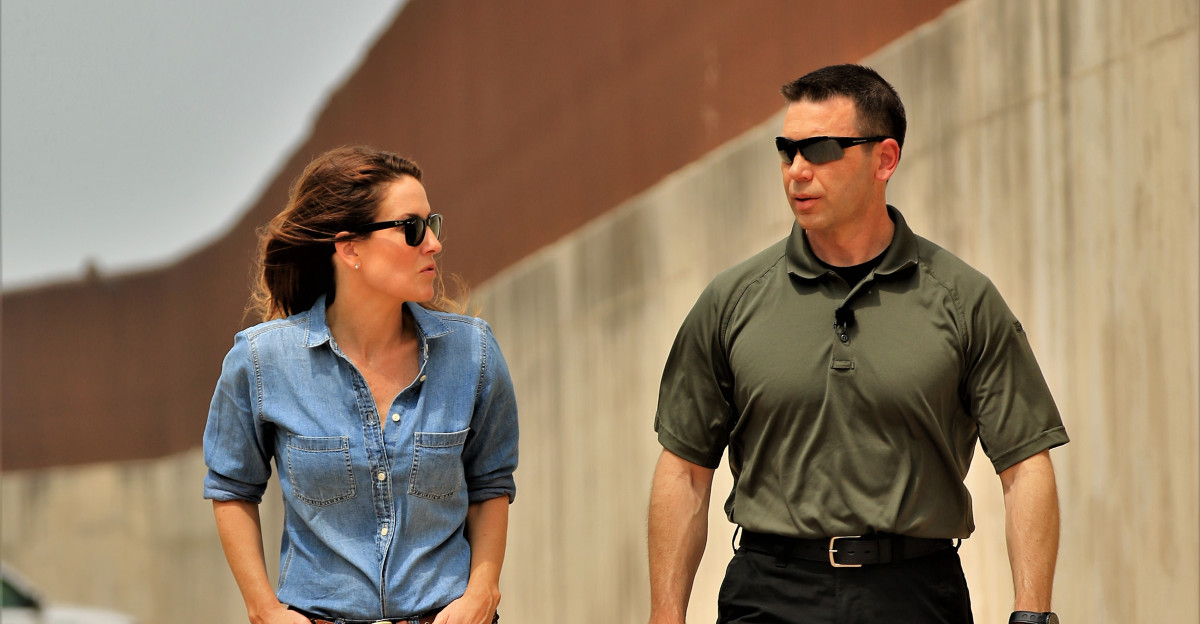
On December 21, 2025, there were no loose ends. Network lawyers had cleared the reporting. Standards and Practices approved it. Correspondent Sharyn Alfonsi had completed months of work. Three hours before airtime, editor-in-chief Bari Weiss pulled the segment.
The stated reason was a lack of “balance.” The Trump administration had declined to participate. That refusal alone was enough to halt the broadcast.
When Silence Becomes Power

To Alfonsi, the implications were immediate. If declining an interview could stop an investigation, then any administration could silence coverage it disliked. In a sharply worded internal memo, she warned colleagues they had handed government officials a “kill switch” for journalism.
The danger wasn’t limited to one story. It was the precedent quietly being set inside a newsroom known for accountability.
One Last Attempt in Washington
Alfonsi still tried to repair the damage. She flew to Washington, hoping persistence might succeed where formal requests had failed. CBS again contacted DHS, the White House, and the State Department. No one agreed to speak.
The absence of an interview did not resolve factual disputes—it simply froze the story. Despite being complete and legally vetted, the reporting remained shelved.
The Prison at the Center of It All
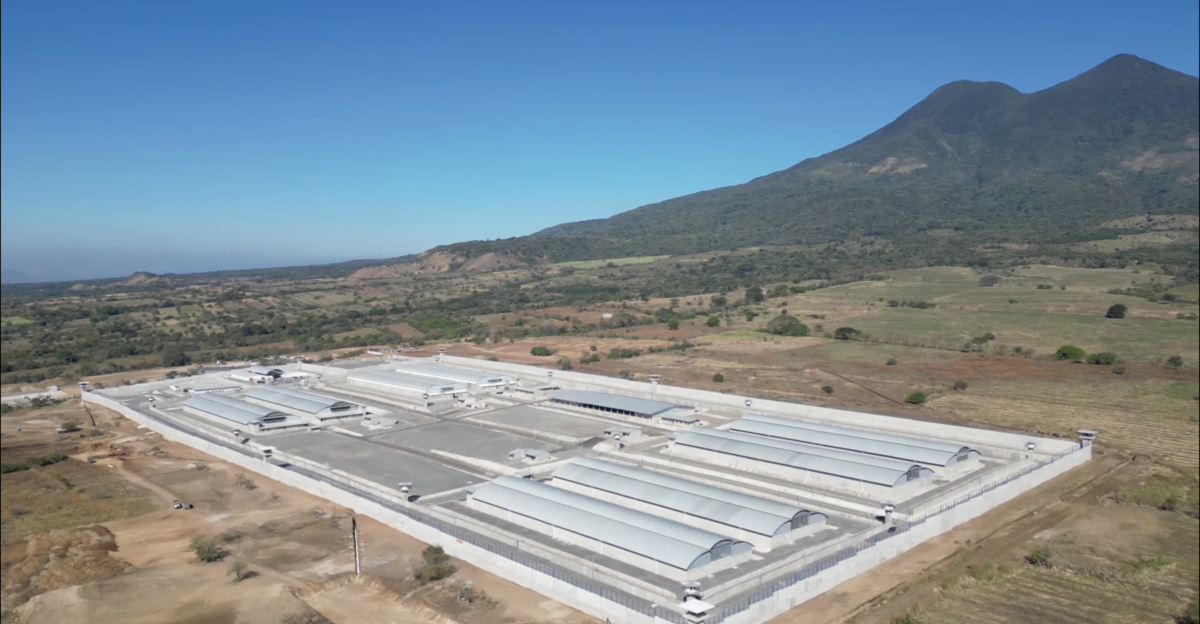
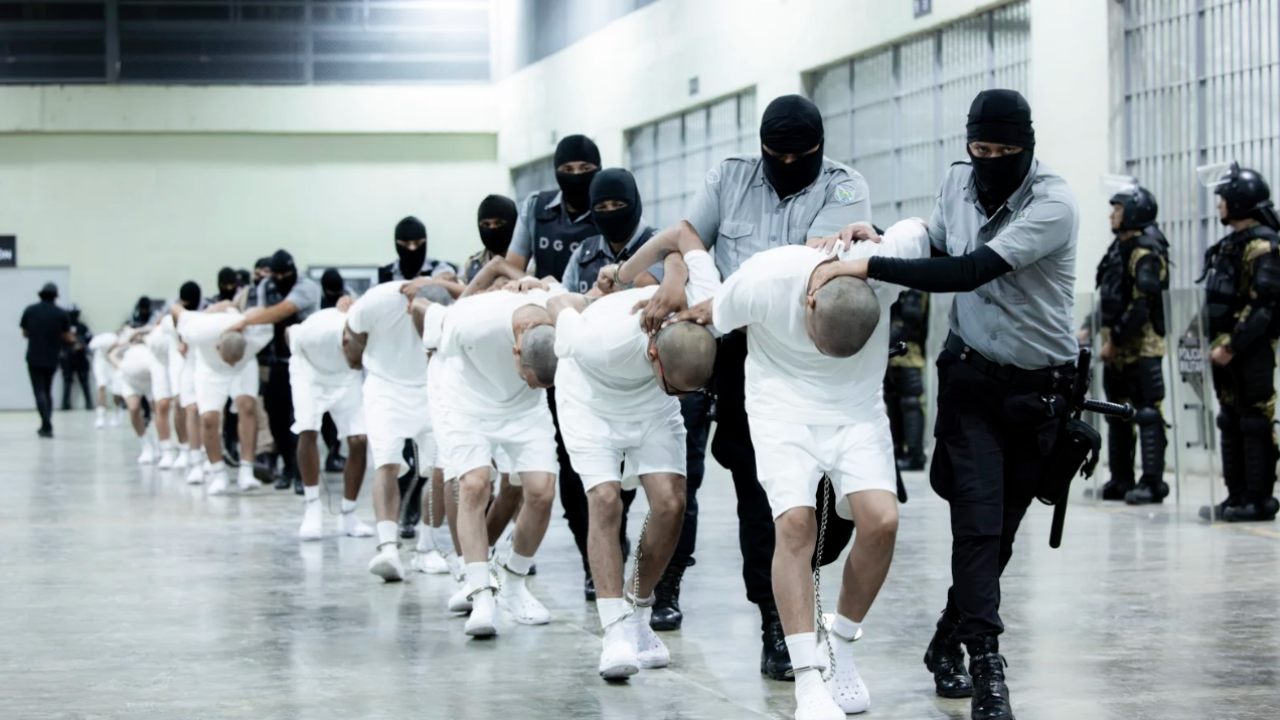
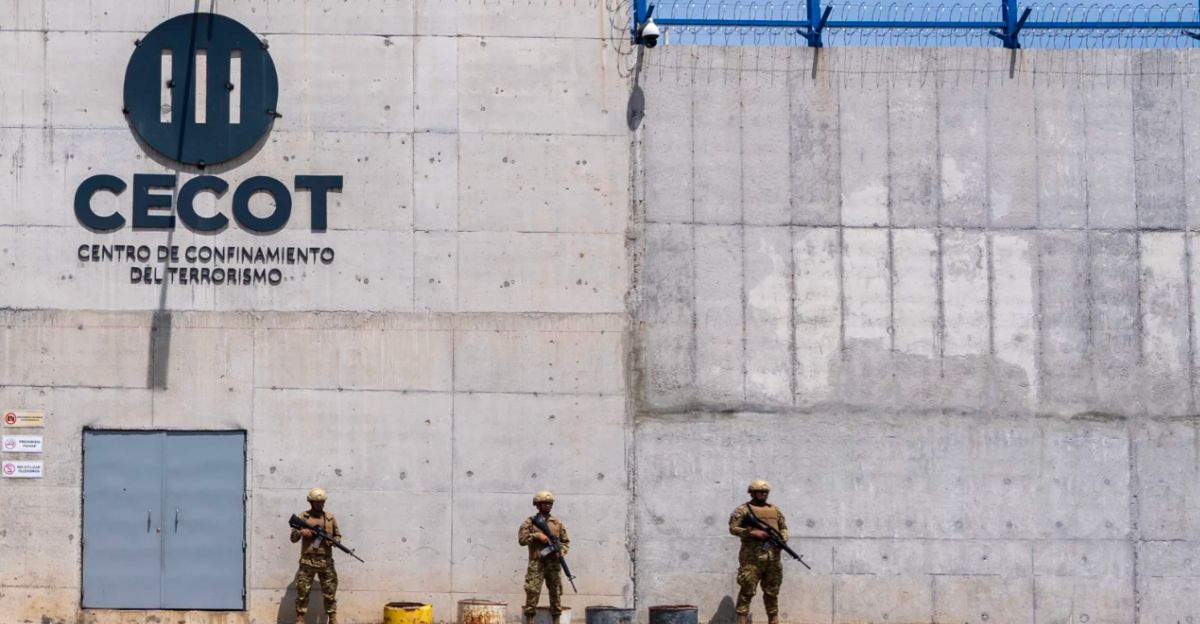
At the heart of the investigation was CECOT, El Salvador’s massive “mega-prison,” designed for permanent mass detention. Between March and April 2025, the Trump administration deported 252 Venezuelan men there.
Officials labeled them gang members. Records showed most had no criminal history. Some were asylum seekers. Others were flagged based on evidence that would never face courtroom scrutiny.
A Law From Another Century
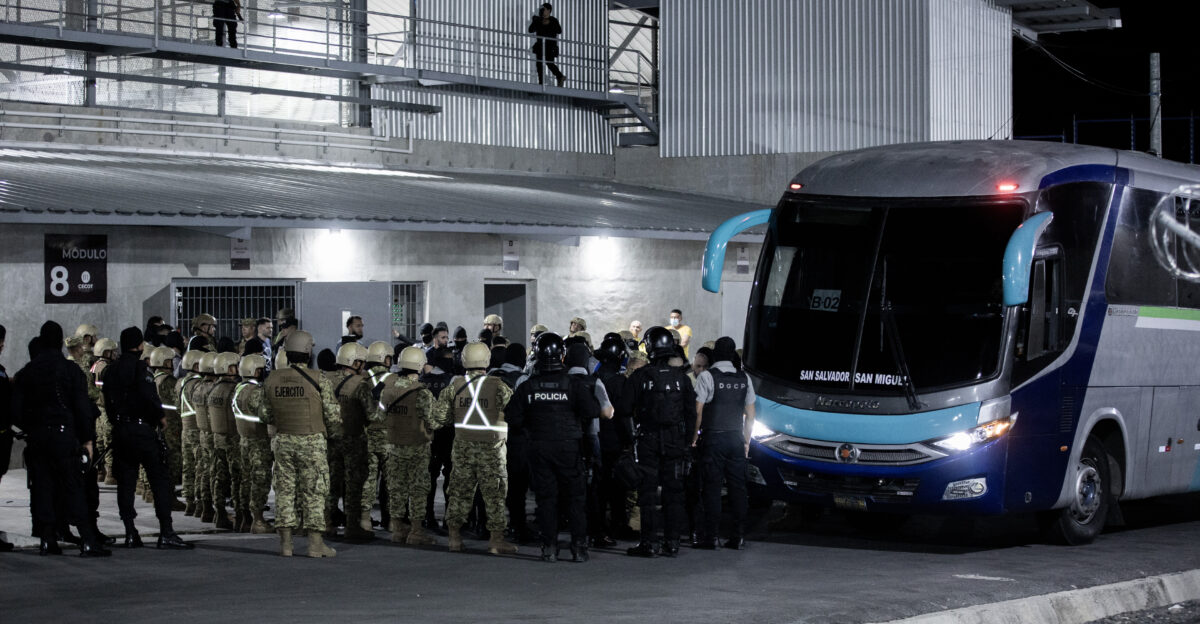
Many deportations relied on the Alien Enemies Act, an 18th-century wartime law rarely used in modern immigration cases. It allowed removals without hearings or appeals.
For the men sent to CECOT, that meant no opportunity to challenge the allegations before being delivered to a prison already infamous for brutality. Due process wasn’t delayed. It was bypassed entirely.
What Happened After Arrival
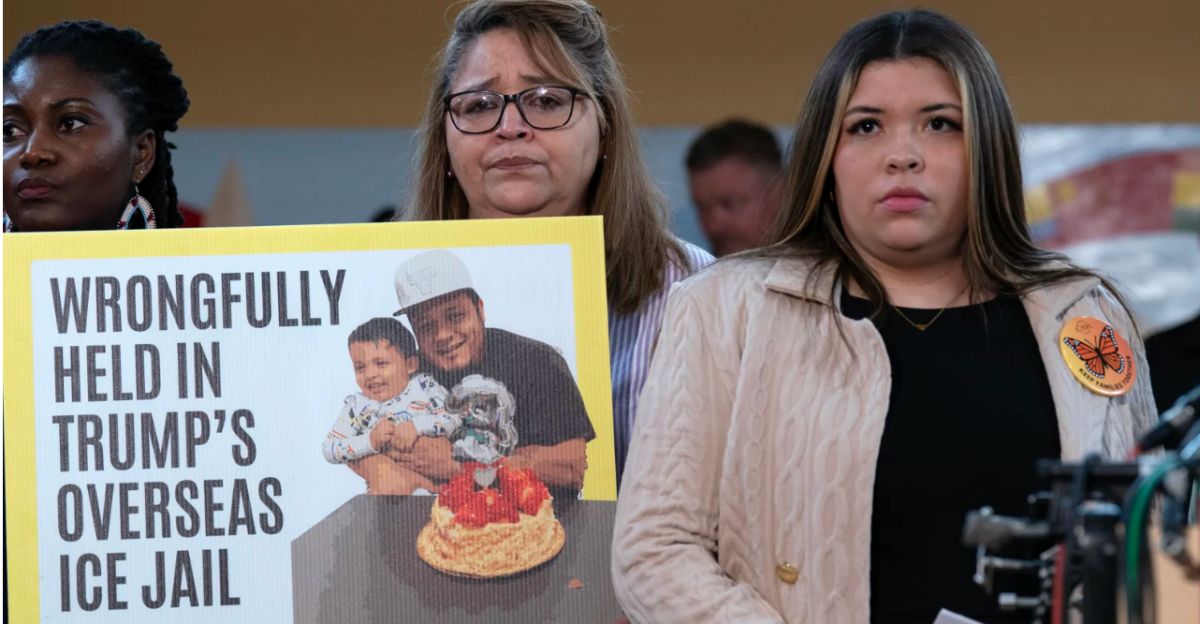
Luis Muñoz Pinto arrived at CECOT and was beaten within hours. Four guards struck him until blood filled his mouth and a tooth broke. He was taken to a punishment cell known as “the island,” a lightless room where guards returned every half hour to beat him again.
Another detainee, Abrego Garcia, later said he was brutally beaten and subjected to psychological torture. Human Rights Watch confirmed such abuse was routine, not exceptional.
Forty Voices, One Pattern
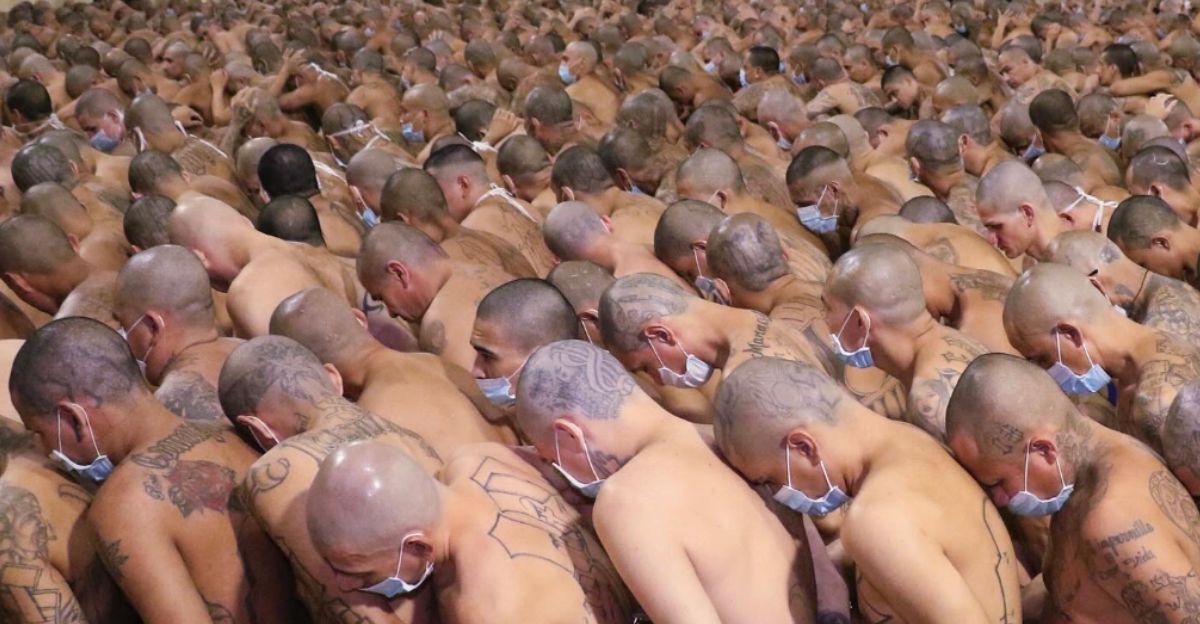
Human Rights Watch interviewed 40 former detainees after their release. Their stories aligned in disturbing ways. Nearly daily beatings. Sexual violence, including rape. Deliberate starvation. Cells holding roughly 80 men stacked on four-level bunks without mattresses.
No medical care. No sunlight. No information about release. El Salvador’s justice minister once said prisoners would “only leave in a coffin.”
How a Tattoo Became Evidence

One man’s deportation hinged on a tattoo he barely remembered getting as a teenager. DHS claimed it linked him to Tren de Aragua. Alfonsi consulted Latin American gang experts. None recognized the tattoo as gang-related.
That didn’t matter. The system did not require certainty or context—only enough justification to move someone out of sight.
The Math of Deportation
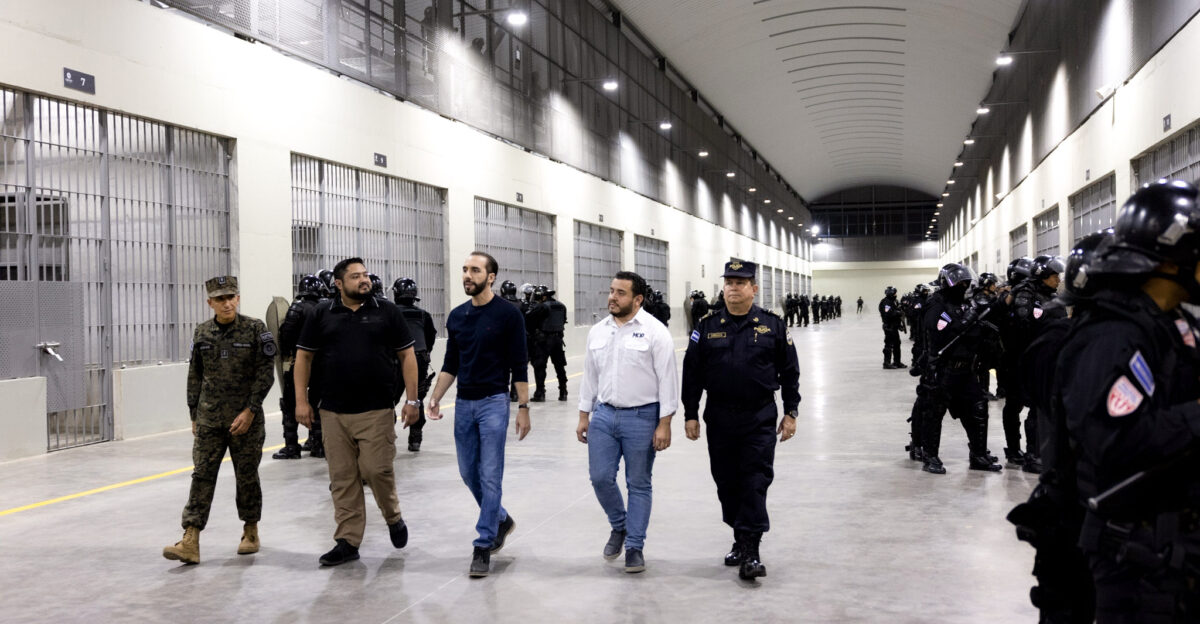
Immigration officers used a scoring matrix to determine gang affiliation. A suspicious tattoo earned four points. Certain associations earned four more. Eight points triggered deportation to CECOT. There was no hearing and no appeal.
One college student with no criminal record accumulated just enough points to disappear into a foreign prison system without ever seeing a judge.
A Change at the Top
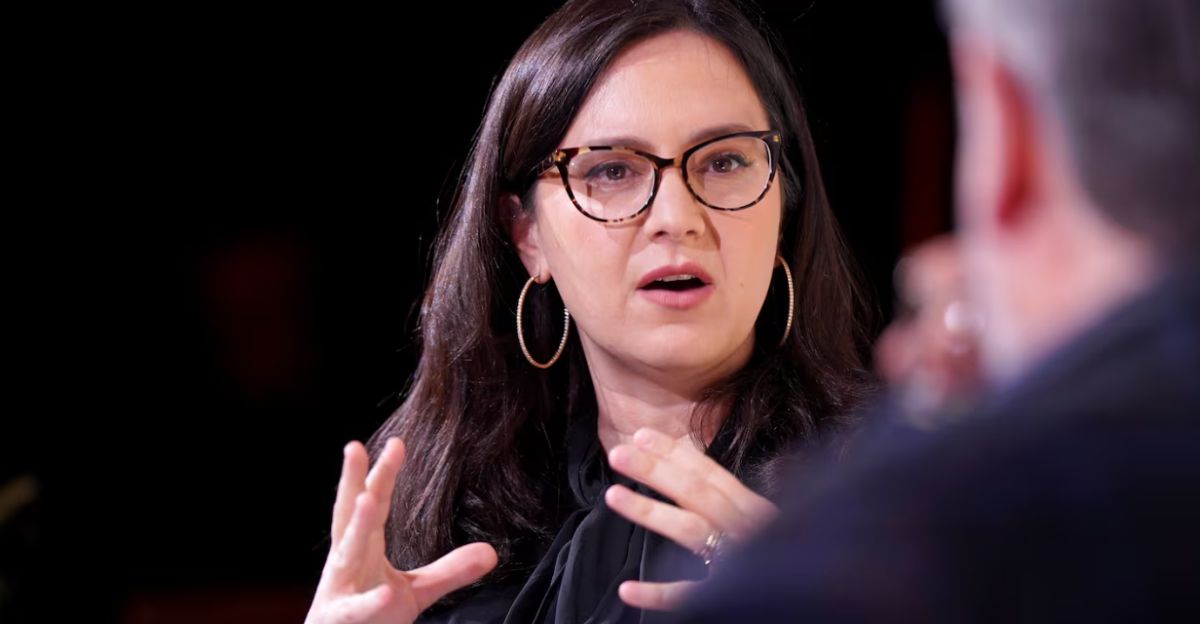
In October 2025, Bari Weiss took over CBS News after Paramount acquired her publication, The Free Press, for $150 million. She now reported directly to Paramount CEO David Ellison, son of billionaire Larry Ellison.
Around the same time, CBS settled a lawsuit with Donald Trump for $16 million, increasing sensitivity around political consequences.
Requests That Went Nowhere
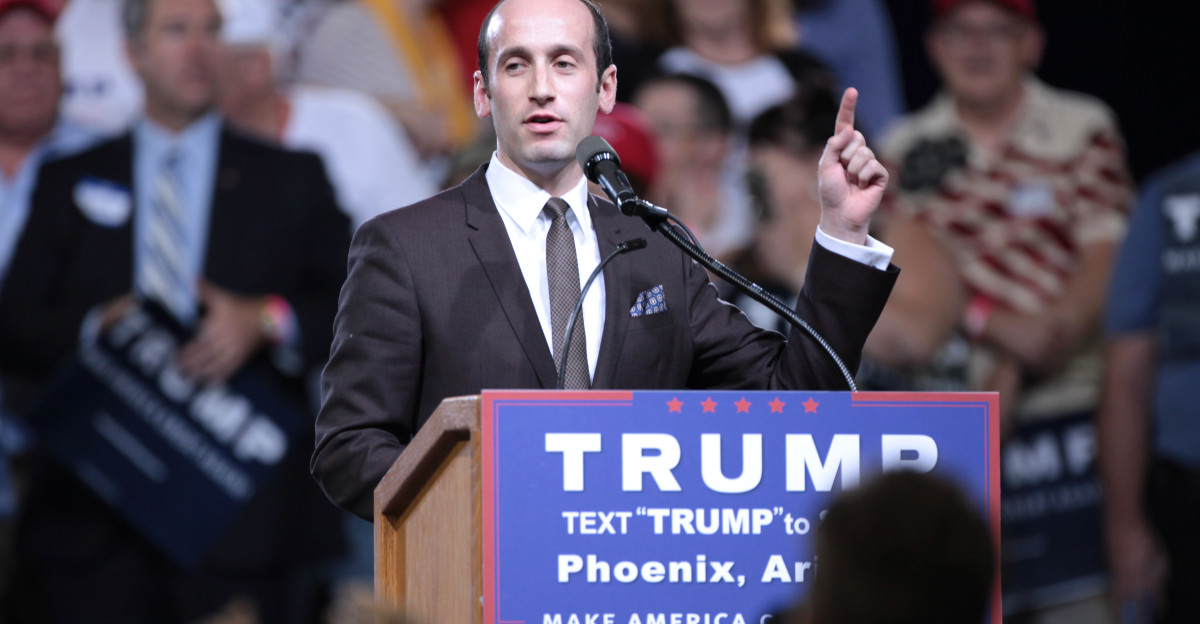
Producers had been requesting administration interviews since November. None were granted. Alfonsi’s Washington trip targeted Stephen Miller, architect of Trump’s immigration crackdown. Requests went to DHS, the White House, and State. All declined.
Miller later publicly attacked the reporting as a “hatchet job,” while still refusing to appear on camera.
Corporate Stakes in the Background
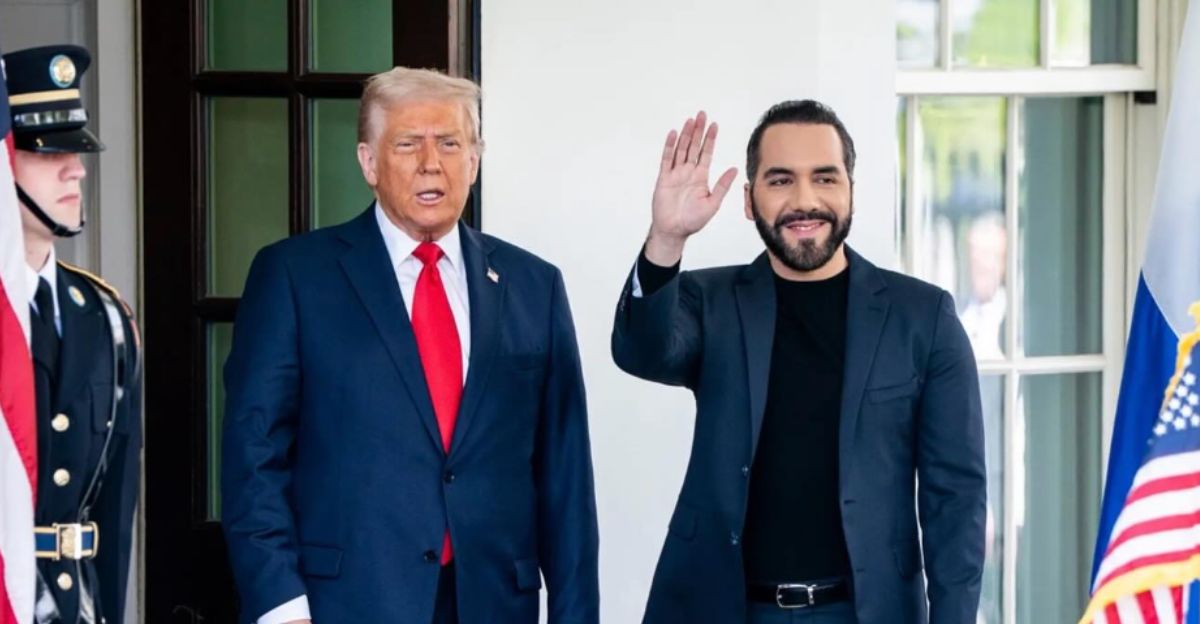
Behind the scenes, Paramount was pursuing a $108 billion merger with Warner Bros. Discovery, owner of CNN. Regulatory approval from the Trump administration mattered.
Sources later said Weiss felt the segment “did not advance the narrative” beyond existing coverage. The reporting itself wasn’t disputed. It was deemed politically and corporately inconvenient.
The Story Returns—Quietly
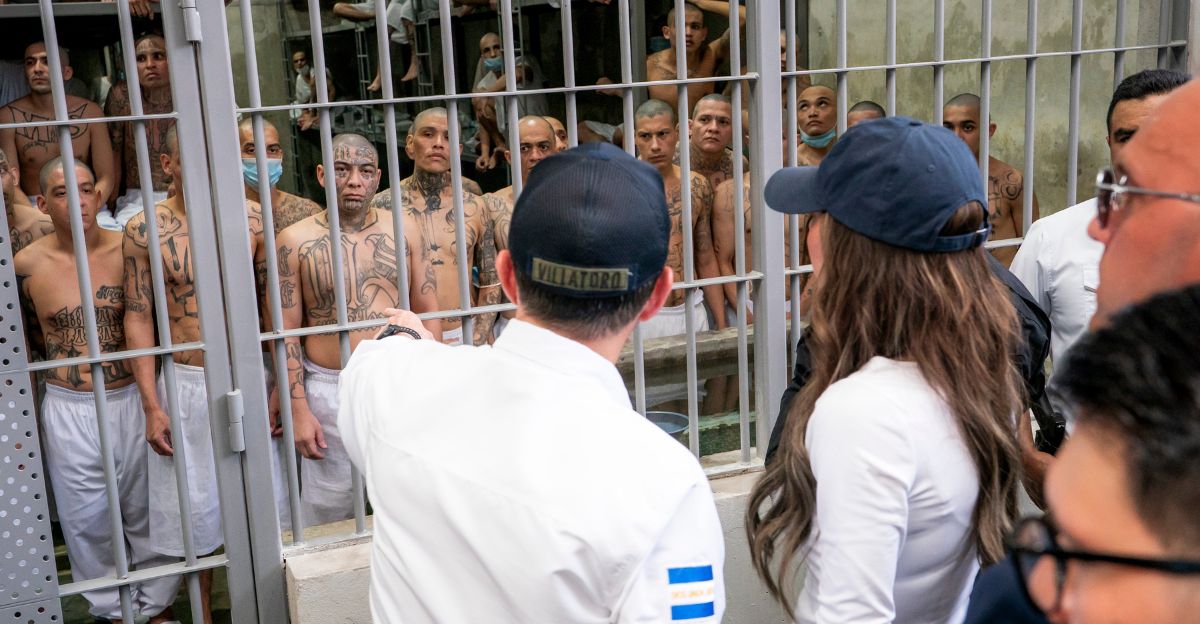
On January 18, 2026, CBS finally aired “Inside CECOT.” The reporting itself was unchanged. Alfonsi added brief new framing and read DHS statements on air.
The evidence of abuse, torture, and wrongful deportations remained intact. What had changed wasn’t the journalism. It was the strategy surrounding its release.
A Night Designed to Fail

That Sunday night, 45.4 million Americans watched an NFL playoff game between the Rams and Bears. It became NBC’s most-watched divisional playoff ever. 60 Minutes aired opposite it.
The result was predictable: 4.9 million viewers, more than 50% below the show’s seasonal average.
The Slot That Was Never Used
December 21 offered a different outcome. That night, a Steelers-Lions game aired before 60 Minutes, drawing 28.5 million viewers. CBS would have inherited a massive lead-in audience.
The CECOT segment likely would have reached more than 10 million Americans. Instead, it waited—and then quietly disappeared again.
A Leak From Canada

On December 22, Canada’s Global TV accidentally posted the full segment online. Viewers recorded it and shared clips across platforms.
The story CBS hesitated to air reached the public anyway, but through a foreign leak. Americans who wanted to see it had to actively search for it.
A Warning Put in Writing
In her memo, Alfonsi warned CBS was trading “50 years of Gold Standard reputation for a single week of political quiet.”
She compared the decision to CBS’s 1995 suppression of the Jeffrey Wigand tobacco story, which nearly destroyed the program’s credibility. Her message lingered, unanswered.
The Prisoners Come Home
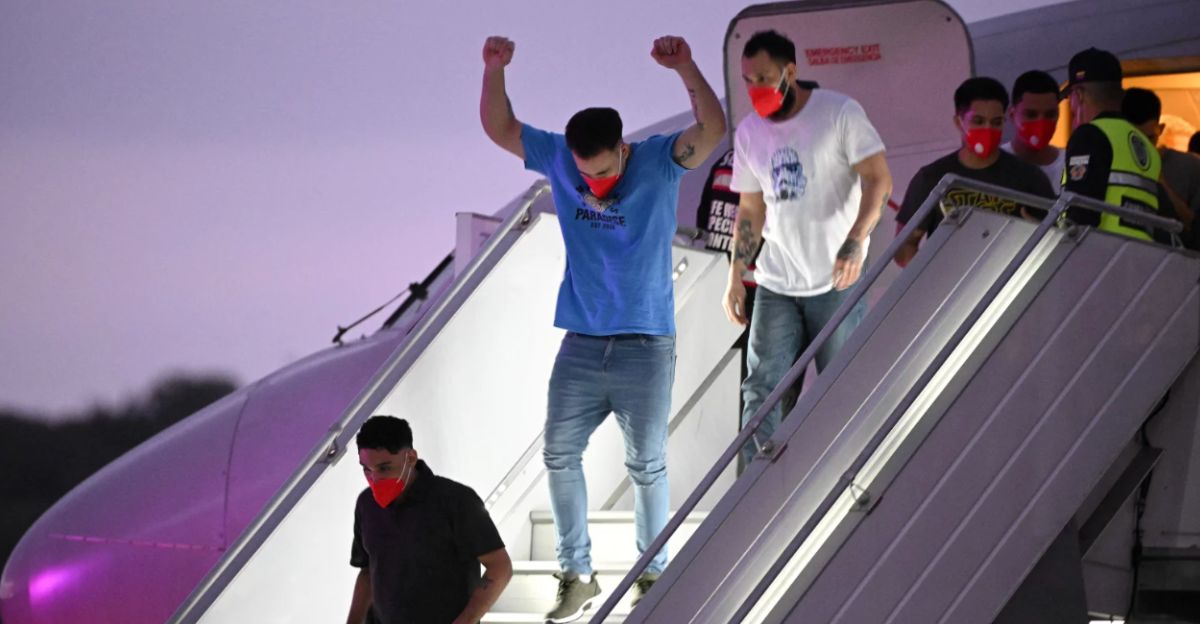
On July 18, 2025, the 252 Venezuelans were released from CECOT as part of a prisoner exchange that freed 10 Americans. A federal judge later ruled the Trump administration had violated their rights by denying due process.
Secretary of State Marco Rubio argued hearings would harm foreign policy. Justice was deferred indefinitely.
The Story Beneath the Story

The CECOT investigation became more than a prison exposé. It raised a fundamental question about modern journalism. If refusing to comment can stop reporting—or bury it through scheduling—then accountability becomes optional.
The truth survived. The reporting survived. What changed was how hard journalists had to fight their own institutions to tell it.
SOURCES
Inside CECOT: 60 Minutes, January 18, 2026 (CBS News broadcast)
What We Know About CBS’ Decision to Pull and Then Air ’60 Minutes’ CECOT Segment: CNN, January 18, 2026
CBS News Airs Pulled ’60 Minutes’ Report on CECOT in El Salvador: USA Today, January 18, 2026
Bari Weiss Expressed ‘Frustration’ With ’60 Minutes’ Reporter Over CECOT Segment: The Independent, January 21, 2026
’60 Minutes’ Broadcast With Delayed ‘Inside CECOT’ Report Pulls in Abysmal Ratings Against NFL Playoffs: Yahoo News, January 22, 2026
Paramount Skydance to Name Bari Weiss Editor in Chief of CBS News: New York Post, October 2, 2025