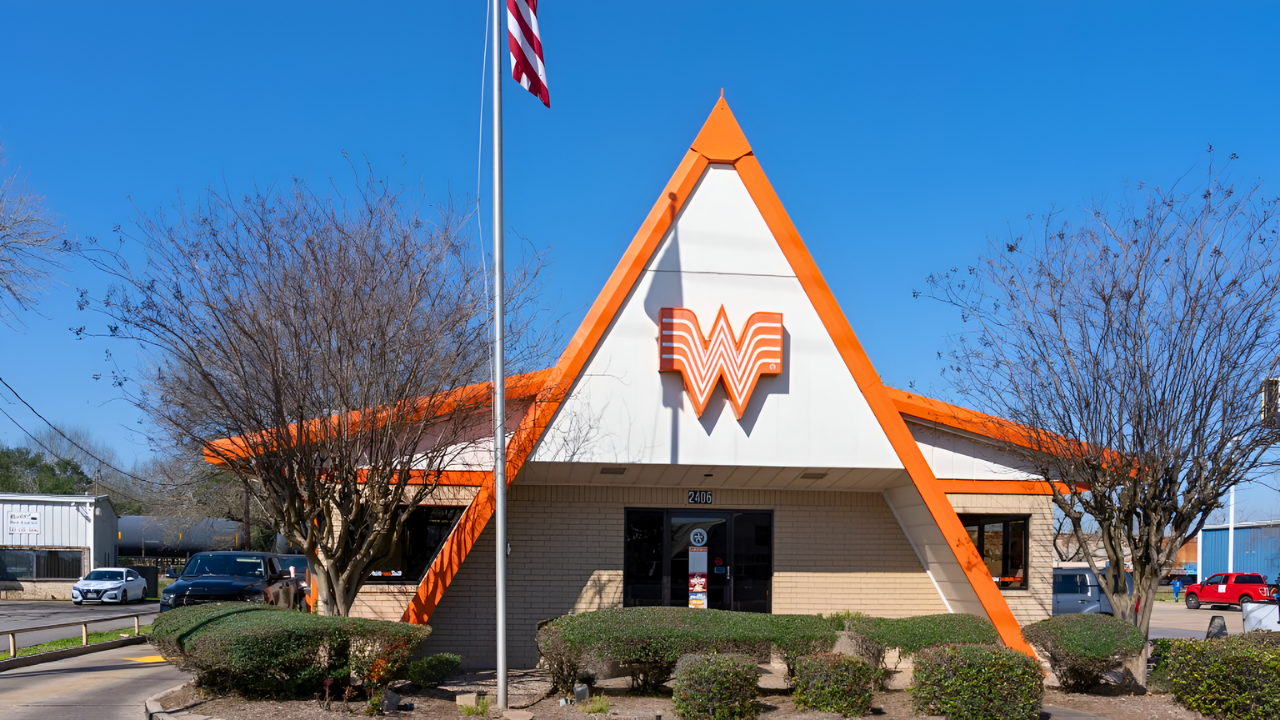
Barely three years after pushing into the Southeast with ambitious growth targets, Whataburger is closing eight restaurants across Georgia, Alabama, and Tennessee, effective mid-December 2025. The shutdowns, all permanent, affect mostly newer sites that opened in 2024 and represent less than one percent of the chain’s footprint of more than 1,100 locations nationwide. For a chain undertaking aggressive regional expansion, the move reflects strategic portfolio optimization in college-town markets the company once regarded as key to its growth strategy.
From Texas Icon to Strained New Markets
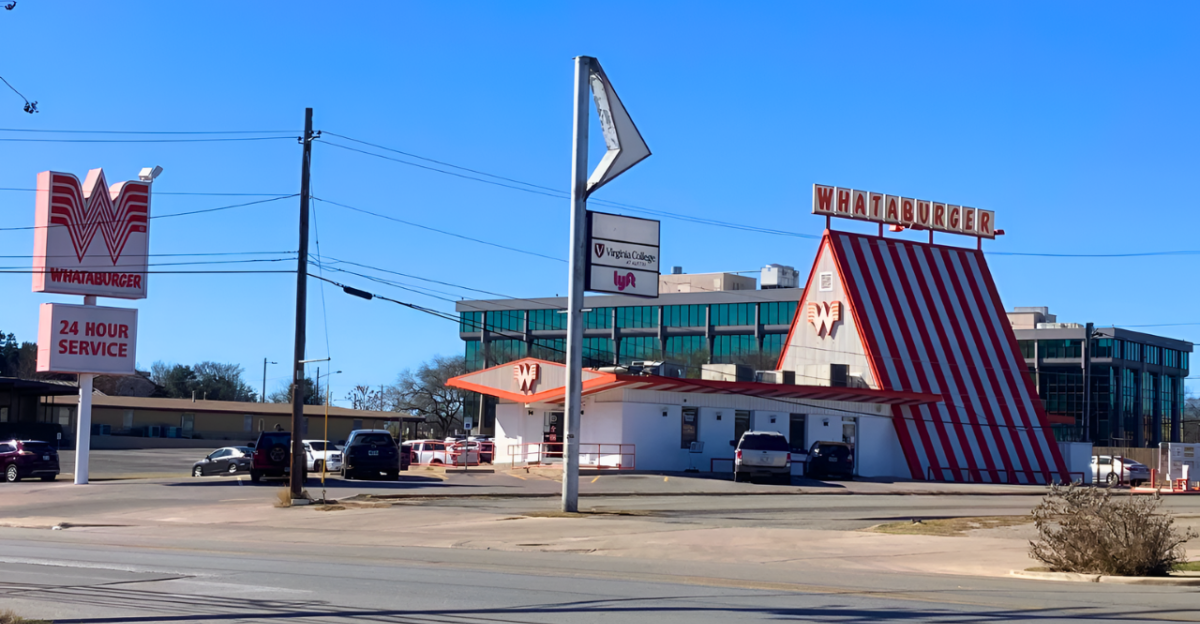
Founded in Corpus Christi on August 8, 1950, Whataburger built its reputation on large burgers, 24-hour service, and deep brand loyalty in Texas. After relocating its headquarters to San Antonio, the company expanded steadily across its home state and beyond, ultimately entering 17 states through a mix of company and franchised sites.
The chain arrived in Georgia in November 2022 with a restaurant in Kennesaw and then rolled out more than three dozen locations across the state in rapid succession. That pace reflected a broader growth drive after Whataburger’s 2019 acquisition by BDT Capital Partners, which fueled expansion into Colorado, Nevada, and the Southeast.
In the Southeast, however, the blitz exposed operational and logistical limits. New stores entered crowded fields dominated by national brands and established regional competitors. In several markets, online reviews cited slow service, long waits, and uneven execution, suggesting the speed of openings outpaced training and systems needed to keep standards consistent.
Eight Locations Shuttered After Short Runs
The eight closing restaurants tell a story of ambitious openings followed by quick reversals. Six of the sites debuted between March and July 2024, meaning they are shutting within their first 18 months of operation.
In Georgia, two locations are closing: Athens (700 US-29, opened June 17, 2024) and Dahlonega (254 Riley Rd, opened June 3, 2024). Both served college communities and were part of a broader push into north Georgia. The Athens restaurant is scheduled to close at midnight on December 14, while the other seven locations will close by 11:59 p.m. on December 15.
Alabama is losing two college-town sites: Auburn (101 N. College St, opened January 3, 2022) and Tuscaloosa (1130 University Blvd, opened August 14, 2023). The Tuscaloosa restaurant was notable as Whataburger’s first “digital-forward” prototype, featuring self-service kiosks and food lockers. Both the Auburn and Tuscaloosa locations lacked drive-thru service despite sitting near their respective campuses, limiting convenience in car-heavy college markets.
Tennessee is hardest hit, with four closures among 24 Middle Tennessee units: two in Clarksville (791 N. 2nd St, opened April 15, 2024, and 1602 Haynes St, opened March 4, 2024), one in Murfreesboro (1924 Memorial Blvd, opened July 22, 2024), and one in Mt. Juliet (11190 Lebanon Rd, opened July 8, 2024). The closures eliminate both Clarksville locations and reduce the chain’s presence in other fast-growing suburbs of Nashville.
After these exits, Georgia will drop from 39 to 37 locations, Alabama will lose two high-visibility college-area outlets, and Tennessee will see a pullback in a region where Whataburger had moved aggressively. Even among the affected locations, some scored well with guests: the Dahlonega site held a 4.1-star rating on Google with more than 500 reviews but still did not meet operational expectations, underscoring that strong customer satisfaction does not always translate into successful unit performance.
Strategic Review and Franchise Pressures
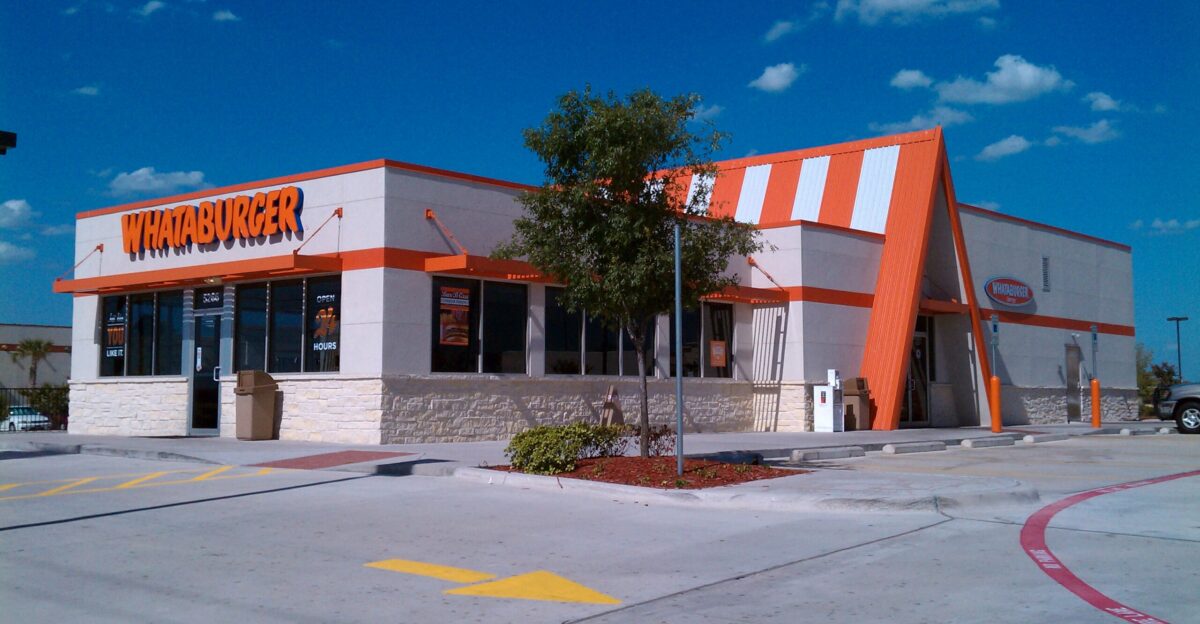
Whataburger said the latest closures are the product of routine reviews aimed at strengthening its overall portfolio. A company spokesperson stated that, as a growing brand entering new markets, it regularly evaluates locations “to maximize opportunities for growth and keep Whataburger strong in the communities we serve” and that in some cases this means shutting restaurants.
Franchisees in the region are contending with slower-than-expected performance at build-outs that barely had time to mature. Operators such as Made To Order Holdings, which runs other locations in Georgia, have faced criticism over slow service and inconsistent food quality. Rapid development has heightened concerns that stores were added faster than the support structure needed to run them efficiently.
The company says employees at closing sites are being offered transfers to nearby restaurants where possible, but the timing—just before the holidays and during the academic year—poses particular challenges for student workers and seasonal staff in college towns.
Competition and Strategic Recalibration
Whataburger’s portfolio optimization comes as rivals intensify their own regional pushes. In-N-Out Burger, long a Western favorite, opened three Tennessee locations in early December 2025, including one in Murfreesboro. The chain has drawn large crowds and positive word-of-mouth for its pricing and operational discipline, intensifying competition in the same suburban corridors where Whataburger is scaling back.
Other chains, including Raising Cane’s and Chipotle, have grown in many Southern markets through largely company-owned models, which can give corporate leaders tighter control over operations than a heavily franchised system. Against that backdrop, analysts note a broader pattern: regional favorites that attempt rapid national expansion often run into trouble when infrastructure, staffing, and training lag behind new-unit growth.
Looking Ahead
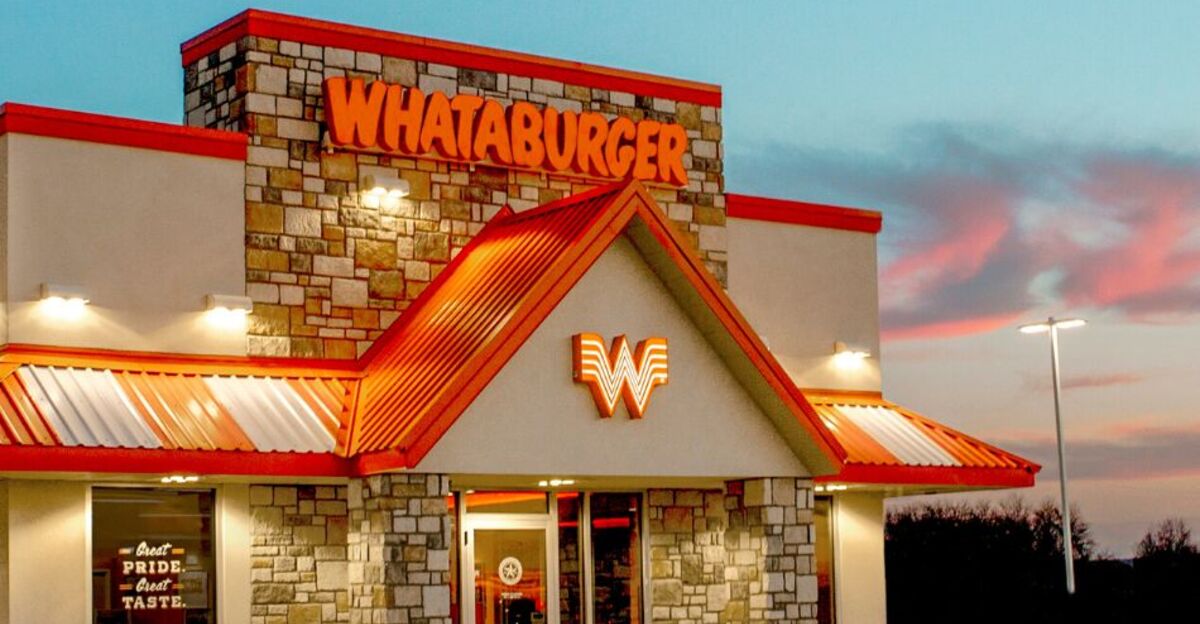
Despite the closures, Whataburger remains committed to aggressive expansion. The company plans more than 70 new locations nationally in 2026, with more than 40 opening throughout the Southeast. The chain is also pursuing its goal of 50 Georgia restaurants by 2030. Recent Georgia openings include Duluth (opened September 2025) and East Cobb (opened December 1, 2025), with another location under construction in Johns Creek.
Industry watchers say the stakes are high. With over 1,100 locations already open, Whataburger is betting that selectively closing weaker units will sharpen performance at remaining stores and improve the impact of new ones. Whether the brand can translate its Texas loyalty into lasting footholds across the Southeast will hinge on execution, franchise support, and how effectively it competes with entrenched and incoming rivals in the region’s evolving burger landscape.
Sources
ToNeTo Atlanta, December 2025
Houston Chronicle (Chron.com), December 2025
MySanAntonio, December 2025
Knox News, December 2025
Whataburger official company statements and history