
Sebastian Telfair’s rise from Coney Island playgrounds to the NBA, and his return to the same Brooklyn public housing complex 20 years later, has become a stark case study in how fast athletic fortune can vanish. Once a teenage prodigy hailed as New York City’s top-ranked high school point guard and a first-round draft pick, he is now 40, essentially broke, and back in Surfside Gardens, the housing project where he grew up.
Early Promise and Fast-Moving Money
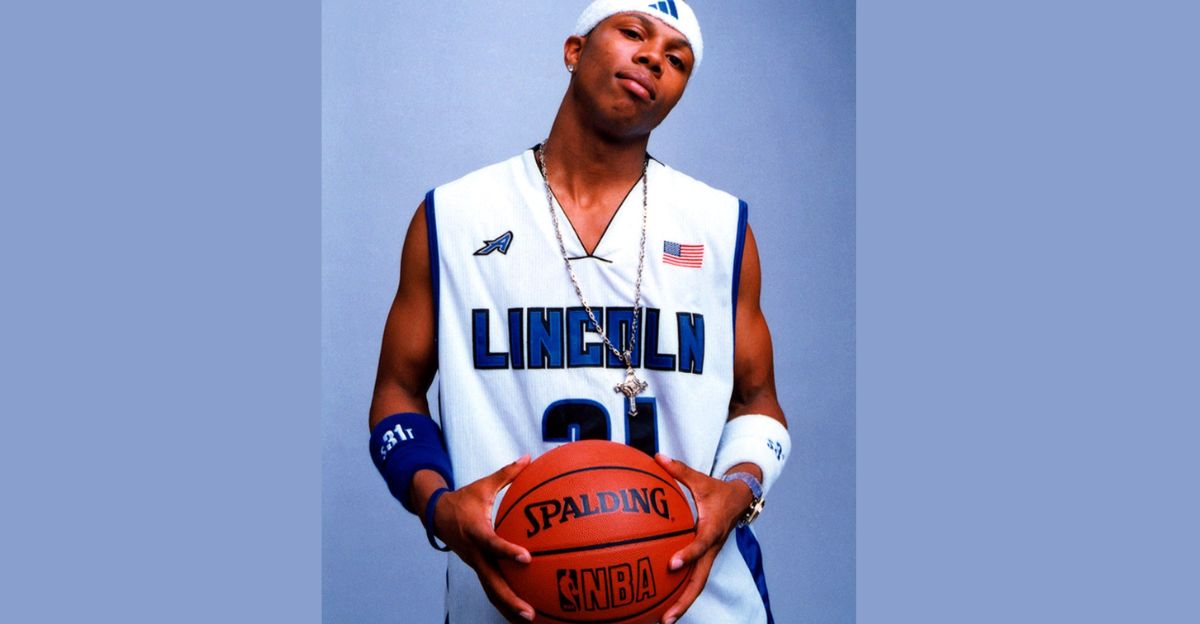
Telfair entered the 2004 NBA Draft straight from Abraham Lincoln High School in Brooklyn, skipping college on a wave of hype surrounding high school stars after LeBron James’s immediate success.
Drafted 13th overall by the Portland Trail Blazers, he went on to play 10 seasons from 2004 to 2014 for eight teams, including stints with the Portland Trail Blazers and Oklahoma City Thunder. Over that decade, he earned about $19 million in salary.
In 2004, Adidas signed him to a six-year, $15 million endorsement agreement, reflecting expectations that he could become one of basketball’s next marquee guards. At that point, it appeared he had secured generational wealth.
But the Adidas deal ended around 2006–2007, cutting off a major secondary income stream. Although he earned more than $1.5 million per year at his peak between 2007 and 2010, he never built the long-term financial structure—investments, steady business ventures, or robust retirement planning—that might have sustained him after his playing days.
Legal Trouble and Financial Collapse
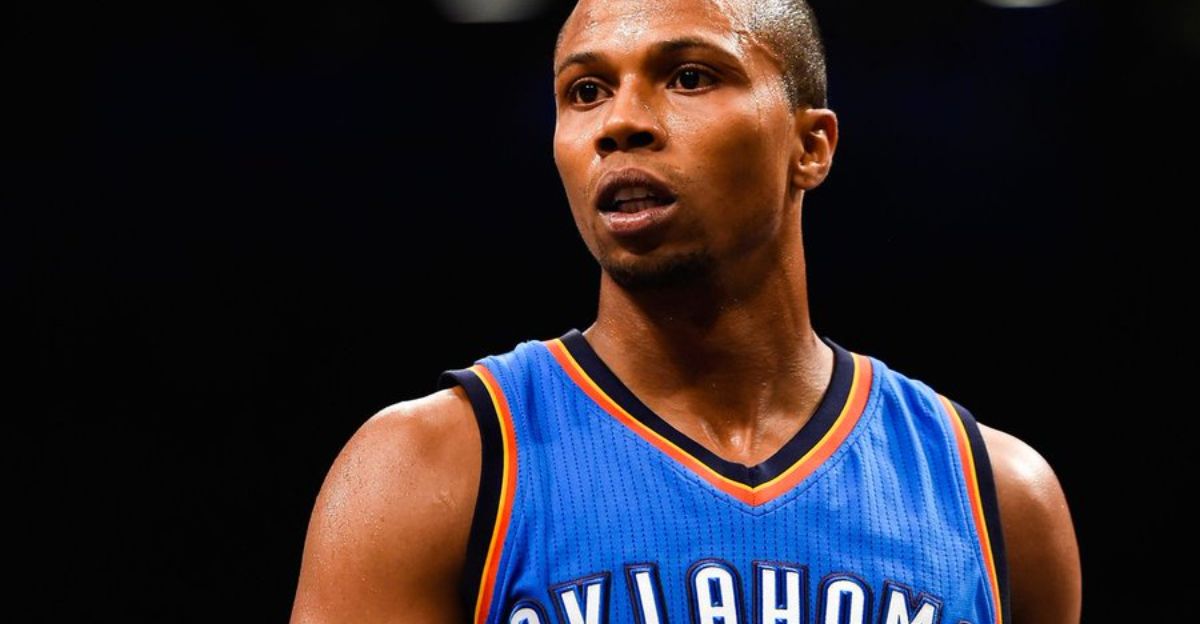
By his early 30s, Telfair’s role in the league had diminished as injuries and age reduced his minutes and value to teams. Without significant outside income or a clear post-basketball career path, he depended heavily on active playing contracts that eventually stopped.
The turning point came in June 2017, when police in Brooklyn stopped his vehicle and found three loaded firearms, ammunition, marijuana, and a ballistic vest. He was arrested and later convicted of second-degree criminal possession of a weapon. In April 2019, a Brooklyn court sentenced him to 3.5 years in prison, a sentence that marked the start of a prolonged legal and financial unraveling.
Defending a felony weapons case, appeals, and related legal work consumed hundreds of thousands of dollars. In complex federal matters, attorney fees can range from roughly $250,000 to well over $1 million, and Telfair no longer had NBA checks coming in. Each legal bill cut deeper into whatever remained from his NBA and endorsement earnings.
At the same time, his private life came under strain. His wife, Samantha, filed for divorce in 2019 during his first prison term. Court documents allege that she claimed he withdrew large sums from joint accounts, including “$197,000 out of another account,” and asserted that “accounts were being drained” without her consent. Even aside from those accusations, contested divorces for high-earning athletes often remove a substantial portion of net worth and generate significant legal fees.
In combination, the criminal case and divorce effectively wiped out the financial cushion he had built during his playing career.
Fraud Case and a Wider Pattern

Telfair’s troubles did not end with the gun conviction. In October 2021, federal prosecutors charged 18 former NBA players in a $4 million healthcare fraud scheme involving false reimbursement claims to the NBA Players’ Health and Welfare Benefit Plan. Telfair eventually pleaded guilty in March 2023 to conspiracy to commit healthcare fraud and wire fraud.
The case highlighted how some retired players, facing reduced income and limited career options, turned to illicit schemes targeting insurance or league benefit systems. It also underscored broader vulnerabilities in how players manage money after their careers end.
Studies cited by Sports Illustrated indicate that about 60 percent of NBA players are financially insolvent within five years of retirement. The causes range from a lack of financial education and excessive spending to predatory advisers, divorces, and unexpected legal issues. Telfair’s path followed the same pattern, stretched across a longer period and intensified by multiple felony cases.
Prison, Public Return, and a Viral Documentary
In early 2024, after initially receiving “time served” in the healthcare fraud matter, Telfair was re-sentenced in June to six months in federal prison for violating supervised release conditions. He reported on August 12, 2024, to FCI Fort Dix in New Jersey, the same federal facility where music executive Sean “Diddy” Combs was temporarily held—an unlikely convergence that drew public attention.
As his release approached, Telfair confronted a stark reality: he had no home of his own, no professional contract, no endorsement deals, and a criminal record that would complicate nearly any job search. The only stable housing option was Surfside Gardens, also known as the Mermaid Houses, the Coney Island project where his story began.
In November 2024, Antoinette Media released Sebastian Telfair: Final Days of Freedom, a documentary that followed him through Surfside Gardens as he revisited his childhood building. On camera, he described the financial damage from his legal battles and marital breakdown, saying that “battling the Feds and my divorce affected my finances” and that he was “right back to where it all began back in Coney Island, back in the projects, back in the fire.” He also acknowledged being “essentially broke” and having “run around broke” for years.
The film gained more than a million views across YouTube and Instagram within weeks, igniting a wider conversation about the financial collapse of professional athletes and what safeguards are still missing.
Uncertain Future and Systemic Questions

Telfair’s attempts to shift his trajectory have so far produced little concrete change. Overseas opportunities in China’s CBA with teams such as Tianjin and Xinjiang between 2013 and 2017 provided extra income but did not generate the kind of long-term wealth that some American players have built by extending their careers abroad.
In August 2024, before reporting to Fort Dix, he publicly appealed to Donald Trump for a pardon, invoking his basketball career and community ties. The appeal did not lead to clemency, and he remains a convicted felon whose record restricts his employment prospects.
Financial experts are skeptical about his chances of rebuilding significant wealth at 40, especially with his criminal history, damaged public image, and lack of a stable income stream. Possible options include online media, public speaking, or coaching youth basketball, but each path is constrained by his background and the competitive market for such roles.
Telfair was released from FCI Fort Dix on December 22, 2024, shortly before Christmas. For now, the key questions are whether he can find a sustainable livelihood, whether he will remain in Surfside Gardens long term, and how his story might inform reforms for future athletes. The NBA has introduced mandatory financial education and retirement planning in recent years, but Telfair’s experience illustrates the consequences when those protections arrive too late—and the broader challenge of helping young stars turn short careers into lasting security.
Sources
Sportrac NBA Career Earnings Database and Salary Records
Brooklyn District Attorney Office Official Press Release, August 12, 2019
Antoinette Media Documentary: Sebastian Telfair: Final Days of Freedom, November 2024
ESPN NBA Draft Records and Criminal Records Database
Sports Illustrated Financial Bankruptcy Report on NBA Player Retirements
U.S. Department of Justice Press Release on NBA Healthcare Fraud Investigation